Before you buy anything on this page, get one distinction straight, because it decides whether you need a frother at all. A standalone milk frother is for a setup that cannot steam its own milk — a pod machine, a drip brewer, or a manual espresso maker like a moka pot or an Aeropress. It is a separate appliance that heats and whips milk into foam by itself. A steaming pitcher is a different thing entirely: it is a jug you hold under the steam wand of a machine that already has one. If your espresso machine has a wand, you want the pitcher, not a frother, and buying a frother would just duplicate a tool you already own.
So this list is for everyone whose coffee comes out of something that makes no steam. That is a huge group — Nespresso and Keurig owners who want a latte instead of black pod coffee, drip drinkers who want a cappuccino on a Sunday, and the whole world of manual espresso (moka, Aeropress, French press) that produces a concentrated coffee but has no way to texture milk for it. For all of them a frother is the missing half of a milk drink, and a good one turns cold milk into hot, airy foam at the push of a single button.
Now the honest ceiling, because it is the thing buyers are most often surprised by. These machines make airy foam — the light, bubbly, meringue-like froth that sits on top of a cappuccino. They do not make the tight, glossy, paint-like microfoam that a real steam wand pulls, the kind that pours latte art and folds seamlessly into the espresso. That is not a defect; it is the physics of the tool. A whisk or a magnetic disc beats air into milk, which makes bubbles; a steam wand injects steam and spins the milk into a whirlpool, which makes microfoam. If your dream is a poured rosetta, no frother will get you there — you need a machine with a wand and our steaming guide. If your dream is a genuinely good latte or cappuccino at home without any of that, a frother is exactly right.
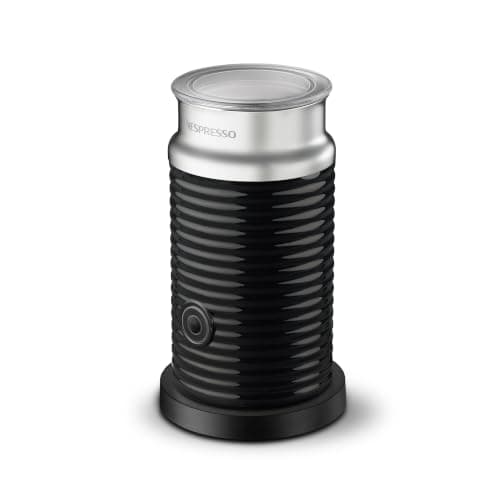
Our top pick is the Nespresso Aeroccino, the one-button electric jug that simply works. You pour milk in, press once, and it makes consistent hot foam (or cold foam on a second setting) every time, with no technique to learn and nothing to hold. It is the most foolproof frother there is, it looks tidy next to a pod machine, and it is the safe recommendation for almost anyone. Its limits are honest and small: it does one or two drinks at a time, and the foam is good café-style froth, not wand-grade microfoam.
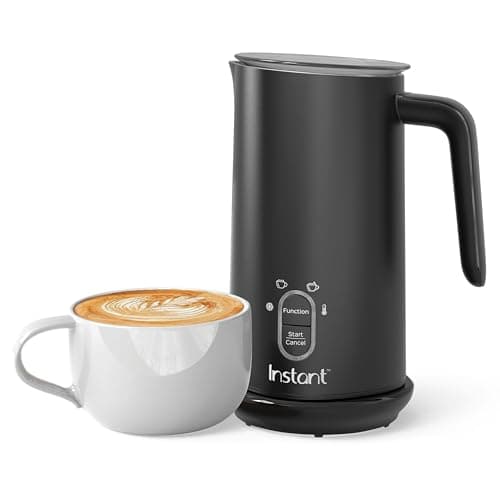
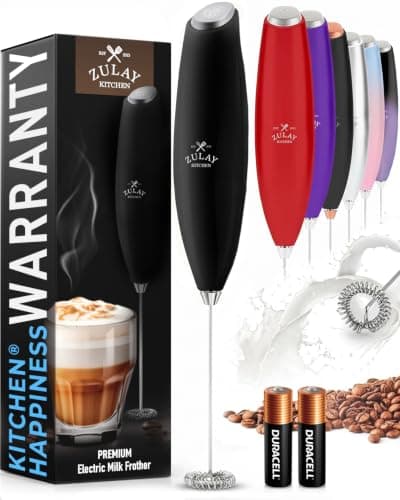
Just behind it, the Instant Milk Frotheris the value play — a four-in-one electric unit that undercuts the Aeroccino on price while offering more modes: dense hot foam, airy hot foam, plain warm milk, and cold foam. The extra modes cover more drinks (and the plain-warm setting is handy for kids' cocoa), at the cost of a slightly less premium feel and a little more to learn. The featherweight champion is the Zulay handheld whisk: it costs less than a bag of nice beans, froths a mug in about fifteen seconds, and lives in a drawer. The catch is that it is a whisk, not a hands-off machine — you froth in your own cup, you hold it steady, and crucially it does not heat the milk, so you warm the milk first (microwave or stovetop) and froth after.
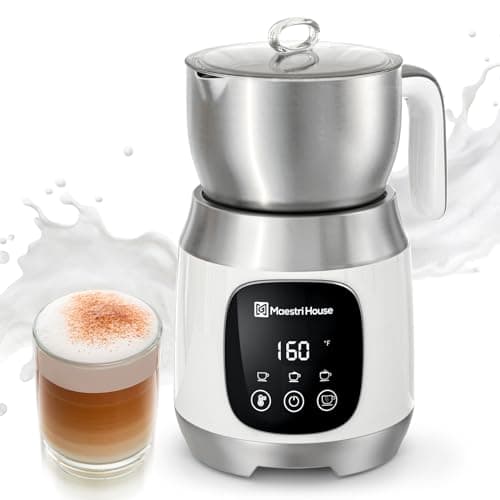
At number four sits the Maestri House, and its ranking needs a word of explanation because it actually makes the best foam here — denser and closer to microfoam than any of the small jugs, with a 21 oz capacity that handles two large drinks at once. So why fourth? Because it is the most expensive frother on the list, approaching the cost of an entry espresso machine that has its own wand, and it takes up more counter space. It is the right pick if you make milk drinks daily and want the closest a standalone unit gets to a real wand. For everyone making one casual latte at a time, the Aeroccino or Instant does the job for far less — which is exactly why they rank ahead of the better foam.
It helps to think in terms of the specific drink you make most, because a frother suits some far better than others. A cappuccino wants a thick cap of stiff, airy foam — exactly what these tools do best, so it is the drink a frother nails most convincingly. A latte wants mostly warm milk with a thin layer of foam on top, which the electric jugs handle well on their lower-foam setting. A flat white is the hardest ask: it wants the least foam and the most integrated, silky texture, and airy foam simply does not fold into the coffee the way microfoam does, so expect a passable flat white rather than a café one. Iced lattes and cold brew want cold foam, which the jugs make on a dedicated setting and the handheld whisk makes for almost nothing. Knowing your everyday drink should steer both whether you buy a jug or a whisk and which foam setting you will actually live on.
How to choose a milk frother
A frother is a small, cheap purchase, but there are four choices that decide whether you end up happy with it. Work through them in this order.
1. Do you actually need one? (Not if you own a steam wand)
This is the first and most important filter. If your espresso machine has a steam wand, buy a milk pitcher and learn to use the wand — it makes better milk than any frother and you have already paid for it. A frother is for machines and brewers with no steaming ability: pod machines, drip makers, and manual espresso like the ones in our coffee makers guide. Buy a frother only if steaming milk yourself is not an option your gear allows.
2. Handheld whisk or electric jug
A handheld whisk (the Zulay) is a battery-powered wand you dip into a cup and buzz for a few seconds. It is the cheapest way to make foam, stores in nothing, and doubles for matcha, hot chocolate, and protein shakes. Its trade-offs are real: it does not warm the milk, so you heat first; you hold it and your cup the whole time; and its power fades as the batteries drain. An electric jug (the Aeroccino, Instant, or Maestri) is hands-off — pour in, press, walk away — and it heats the milk for you. If you want convenience and hot foam at a button, buy the jug; if you want the lowest price and do not mind a fifteen-second job by hand, the whisk is astonishing value.
3. Hot foam, cold foam, or both
Hot foam is what a cappuccino or latte wants; cold foam is the thick, unheated topping for iced lattes and cold brew. Most electric jugs now do both on separate settings, but check before you buy if iced drinks matter to you — a hot-only unit is a summer disappointment. A handheld whisk froths cold milk happily, so it covers cold foam for almost nothing, but remember it will not heat milk for the hot version. Match the modes to the drinks you actually make, not to the longest feature list.
4. Capacity — match it to your drinks
Small one-button jugs like the Aeroccino make roughly one large or two small drinks per run, which is right for most households. If you routinely make two big milk drinks at once, the larger Maestri (21 oz) saves you a second cycle. Do not over-buy capacity you will not use: a bigger jug is more to store, more to clean, and more to heat. And a closing reality check — foam is only ever as good as the milk under it. Whole dairy foams richest; barista-formulated oat milk is the best of the plant options; skim and thin plant milks make bigger but flimsier bubbles. The tool matters less than the milk you feed it.
5. Cleaning and upkeep
A frother is only pleasant to own if it is easy to keep clean, because milk residue skins over and bakes on fast. Non-stick jugs like the Aeroccino wipe out with a quick rinse and a soft cloth — avoid abrasive scrubbers that scratch the coating, and never submerge the electric base in water. The Instant's jug is dishwasher-safe, which is a real convenience if you froth every day. A handheld whisk is the easiest of all: rinse the whisk head under the tap and let it dry. Whatever you buy, clean it right after use rather than letting milk sit; a two-second rinse now saves a soak later, and it stops old milk from souring the taste of the next drink. Descaling is not a concern here the way it is for a machine — these heat gently and briefly — but a monthly wash with warm soapy water keeps a jug fresh.