Espresso is the most demanding thing you can ask a grinder to do. A shot forces hot water through a compacted puck at around nine bar in twenty-five to thirty seconds, so the grind has to be very fine and — this is the part filter drinkers underrate — very precise. A tiny change in grind size can turn a balanced shot into a fast, sour gush or a slow, bitter choke. That is why a grinder that is perfectly good for pour-over can still fail at espresso.
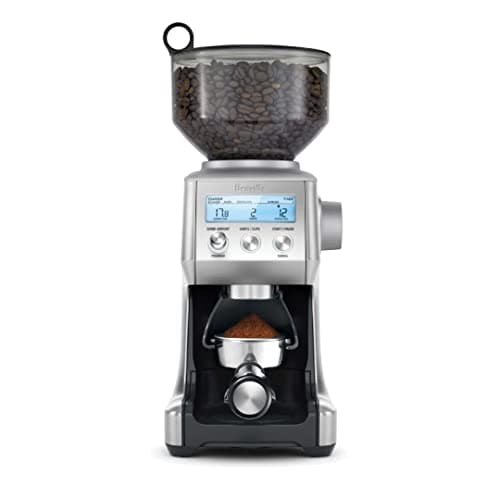
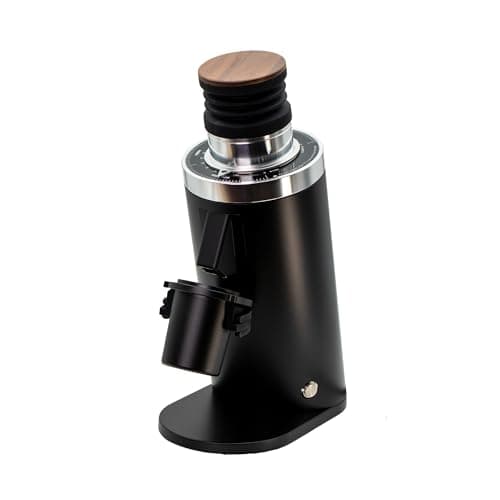
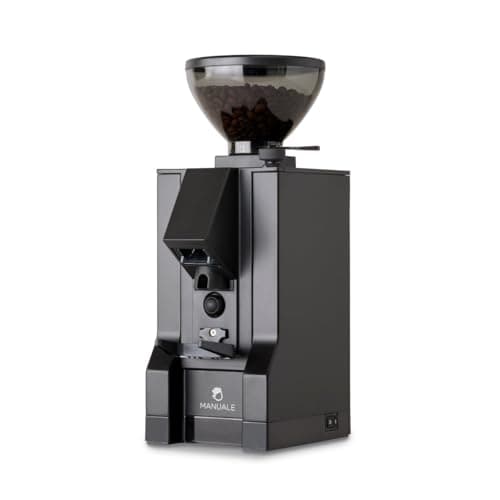
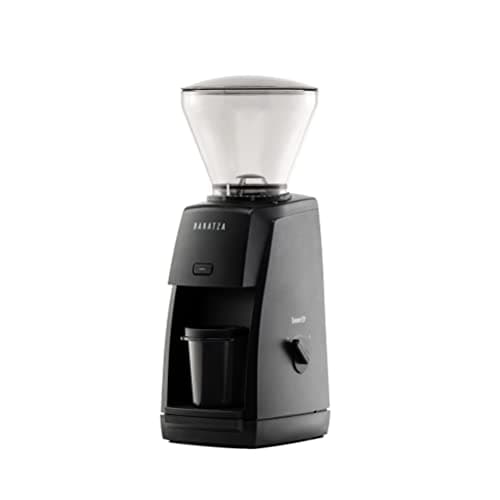
The Baratza Encore ESP leads because it is the most sensible first espresso grinder: it has the fine range a shot needs and the coarse range for everything else, and Baratza will sell you every part inside it. The Breville Smart Grinder Pro is the convenience pick for anyone in the Breville ecosystem — it grinds a timed dose straight into the portafilter. Then the list steps up in precision: the MiiCoffee DF64 II brings 64mm flat burrs and stepless adjustment for enthusiast-grade espresso at a price that used to buy far less, and the Eureka Mignon Notte is the Italian grind-on-demand grinder built for pulling shot after shot.
The dividing line down this list is precision, and it comes in two flavors. Stepped grinders (the Baratza, the Breville) click between fixed settings — repeatable and completely fine for home espresso. Stepless grinders (the DF64, the Eureka) slide smoothly to any point between steps, which is what lets an obsessive nudge a shot by a hair. If you are just starting, do not overbuy the precision; if you already know you want to chase the perfect shot, that stepless micro-adjustment is exactly what you are paying for.
One honest note that will save you money: the beautiful single-dose flat-burr grinders that the internet loves are, in several cases, filter grinders. If a grinder is described as filter-focused, it will not reach espresso fineness — buy from this list instead, not from our all-grinders roundup on looks alone.
If you have a number in mind rather than a shortlist, the budget pages narrow this down fast: best espresso grinders under $200 and best espresso grinders under $500, which is the bracket where stepless adjustment and 64mm flat burrs stop being a luxury.
What makes a grinder good at espresso specifically
Three things separate an espresso grinder from a filter one, and none of them is the brand on the box.
Fineness and precision.Espresso needs a grind far finer than drip, and it needs the adjustment to be fine-grained near that end — the difference between a good shot and a bad one can be a fraction of a setting. A stepless grinder, or a stepped one with tight steps in the espresso range, gives you the control to actually dial in. A grinder that only reaches "espresso-ish" and jumps in coarse steps will fight you forever.
Consistency under load. Espresso grinding is hard work for a motor and burrs. Better grinders hold their setting and their particle size shot after shot; cheaper ones drift. This is where dedicated espresso grinders like the Eureka earn their premium over a do-everything starter.
Workflow. Grind-into-the-portafilter (the Breville, the Eureka) is the tidiest daily setup. Single-dosing (the DF64) means each shot is ground from exactly the beans you weigh in, with nothing stale left behind — at the cost of a little more fuss. If you are pairing this with a machine, our espresso machine guide and how to make espresso at home cover the rest of the chain. And do not forget fresh beans for espresso — a great grinder cannot rescue stale coffee.