Any coffee bean will work in an espresso machine, but a few things make some beans far easier to pull a good shot from than others — and they aren't what the bag's marketing shouts about. The three that matter are how much crema the bean throws, how forgiving it is of imperfect technique, and how the roast level behaves under nine bars of pressure.
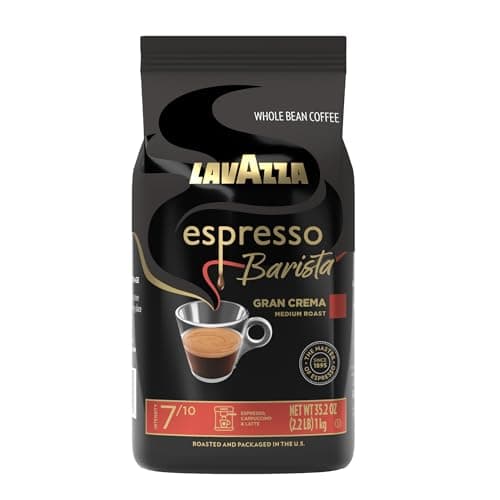
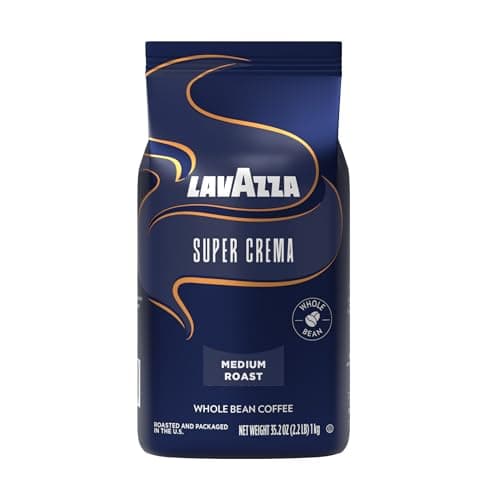
Crema — the caramel-colored foam on top — comes largely from carbon dioxide and oils, and Robusta beans produce noticeably more of it than Arabica. That's why Lavazza Super Crema and Gran Crema, both Arabica-Robusta blends, sit near the top of this list: the Robusta builds a thick, stable crema that makes a shot look and feel right even while your grind and tamp are still rough. For a beginner, that forgiveness is worth more than a point or two of flavor complexity.
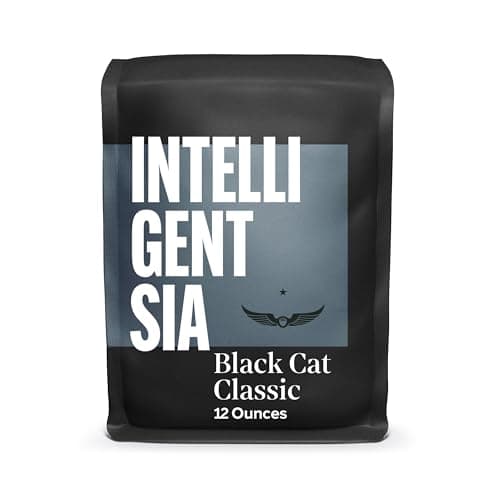
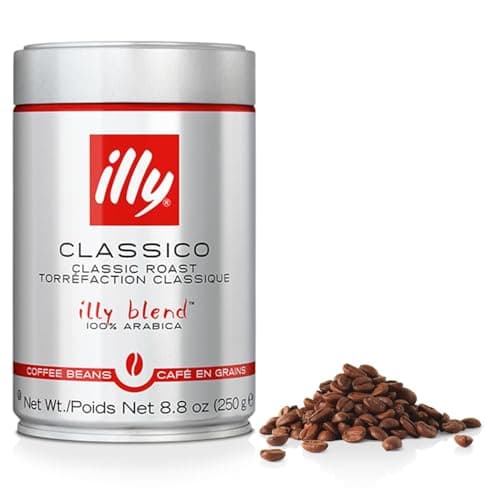
Go up in flavor and you reach the specialty medium roasts — Intelligentsia Black Cat, blended specifically for espresso, and Illy Classico's smooth 100% Arabica. These are sweeter and more nuanced in the cup, but they reward a dialed-in setup: a consistent grinder, a real scale, and a bit of practice. Pull them well and they beat the crema blends on taste; pull them badly and they turn sour or thin, with none of the Robusta safety net.
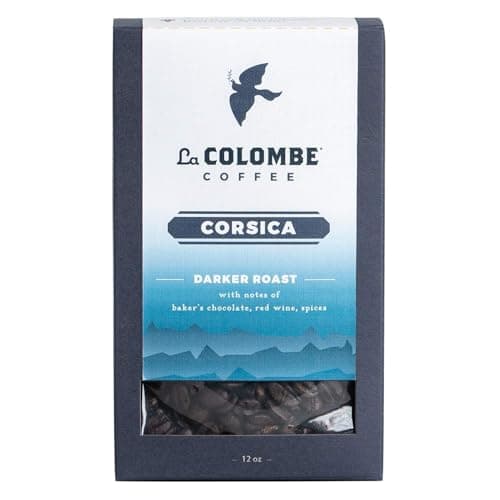
Darker roasts are the other forgiving option. Roasting longer burns off some of the acidity that makes a shot taste sharp when the variables are off, so a dark roast like La Colombe Corsica is easier to get drinkable and stands up beautifully to milk. The trade is that dark roasting flattens the bean's origin character — you taste the roast more than the coffee. If you love bold and roasty, that's a feature; if you want brightness, it isn't.
So: start on a Robusta crema blend while you learn, move to a specialty medium once your shots are consistent, and reach for a specialty dark roast if bold-and-chocolatey with milk is your thing. All of these are sold whole bean — grind them fresh, because stale coffee wrecks an espresso faster than any other drink.
What to look for in espresso beans
Crema and Robusta content
If you want maximum crema and maximum forgiveness — a shot that looks great while you're still learning — buy a blend with some Robusta in it. The Lavazza blends are the obvious pick. Pure 100% Arabica beans (Illy, Intelligentsia) make a thinner, more delicate crema but a cleaner, sweeter cup. Neither is wrong; it's a trade between a forgiving look and a refined taste.
Roast level
Medium and darker roasts are the espresso comfort zone. A medium espresso roast like Super Crema or Black Cat balances sweetness and body; a dark roast like Corsica is bolder and even more forgiving of a slightly-off shot. Light roasts can make stunning espresso but they're dense and finicky — dial-in headaches for a beginner. If you're new, don't start there. Our light vs dark roast guide explains why.
Freshness matters most for espresso
Espresso exposes stale coffee more than any other method — flat crema and a hollow, papery shot are the giveaways. Buy whole bean, check the roast date, and try to use a bag within a month of roasting (give beans a few days to de-gas after roasting first). A fresh, consistent grinder matters just as much as the bag; the two together are what get you a good shot.
Newer to all this? Our how to make espresso at home walks through dose, grind, and ratio, and the main beans roundup covers everything beyond espresso.