Light and dark roast describe how long coffee beans are roasted, not a different type of bean. Light roasts stop early, keeping more of the bean's origin flavor, acidity, and a touch more caffeine, so the cup tastes brighter and fruitier. Dark roasts go longer, tasting bolder, roastier, and less acidic, with the roast flavor dominating the bean.
Roasting is what turns green, grassy coffee seeds into the brown, aromatic beans you buy. The longer and hotter the roast, the further the flavor travels from the raw bean toward the flavors roasting itself creates. Roasters describe this as a spectrum — light, medium, dark — and the names loosely track how long the beans stayed in the roaster and how dark they came out.
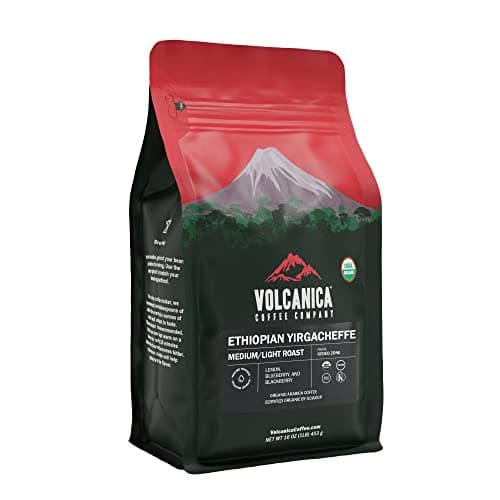
Light roasts are pulled from the roaster early, around or just after "first crack." They keep the most of what makes a particular coffee taste like where it came from — the acidity, the fruit, the floral or citrus notes of the origin. The beans look dry and pale-brown with no oily sheen. In the cup, light roasts taste brighter, more acidic, and more complex, which is why specialty roasters use them to show off a single origin. The catch is that they're less forgiving: light roasts are denser and fussier to grind and brew well.
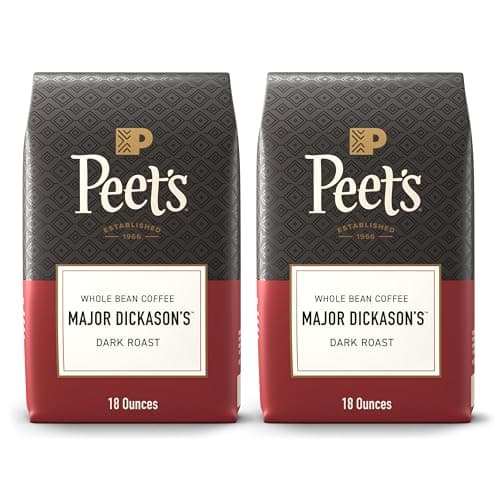
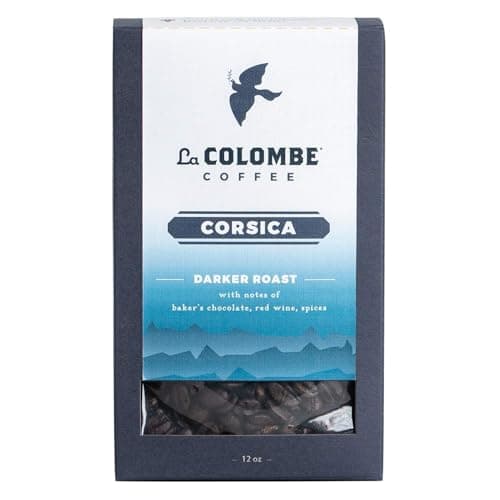
Dark roasts go the other way, roasted longer and hotter until the beans turn deep brown and often glisten with surface oil. The heat burns off much of the origin's acidity and delicate aromatics and replaces them with the bold, roasty, bittersweet, sometimes smoky flavors of the roast itself — which is why two very different dark-roasted coffees can taste surprisingly alike. Peet's Major Dickason's and La Colombe Corsica are dark roasts done well: rich, full-bodied, and built to cut through milk. Dark roasts are also more forgiving to brew, which is part of their appeal.
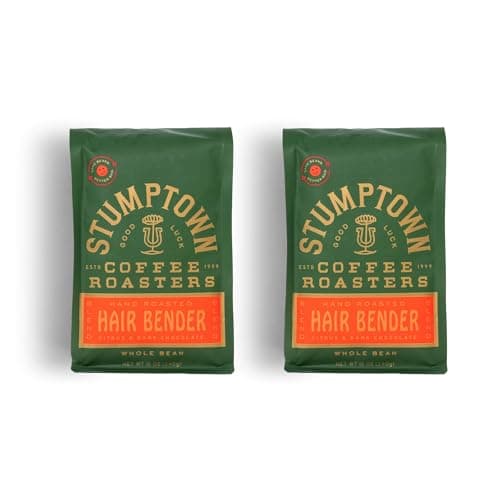
Medium roasts sit in between and are the safe default for most people. They keep some of the origin's character while adding a little roasted sweetness and body, and they work in essentially every brew method. Most of the beans in our main roundup— Lavazza Super Crema, Stumptown Hair Bender, Illy Classico, Lifeboost — are mediums for exactly that reason: they're the easiest to like and the hardest to get wrong.
So which should you buy? If you like your coffee bright, tea-like, and fruity and you enjoy brewing carefully, go light. If you like it bold, comforting, and low in sharpness — especially with milk — go dark. If you're not sure, or you want one bag that does everything, buy a medium. None of these is objectively better coffee; roasters and drinkers argue about it precisely because it's a matter of taste, not quality.
Light vs dark roast: the differences that matter
Strip away the marketing and light vs dark comes down to a handful of real differences. Here they are — including the one myth that trips almost everyone up.
Flavor and acidity
This is the real difference. Light roasts preserve the acidity and origin flavors of the bean — think bright, juicy, sometimes fruity or floral. Dark roasts trade that away for bold, roasty, chocolatey, sometimes smoky flavors created by the roast. Medium roasts keep some brightness and add some roast. If "acidic" sounds bad, note that in coffee it means lively and bright, not sour — good acidity is what makes a light roast taste vivid rather than flat.
Body and mouthfeel
Dark roasts generally feel heavier and fuller in the mouth, which is one reason they pair so well with milk and why they dominate diner coffee and classic espresso blends. Light roasts feel lighter and cleaner, more like tea than syrup. Medium roasts land in between. Body is part of why the same beans can feel like completely different coffees at two roast levels.
The caffeine myth
Here's the one almost everyone gets backward: dark roast is not stronger in caffeine. If anything, light roast has marginally more — roasting burns off a tiny amount of caffeine, so a lighter bean keeps a hair more. But the difference is small and depends on how you measure. Scooped by volume, light-roast beans are denser, so a scoop holds slightly more caffeine; weighed on a scale, the two are nearly identical. Either way it's a marginal difference, not the dramatic gap the "dark equals strong" myth implies. "Strong" in coffee usually means bold-tasting, not more caffeinated.
Which roast for which brew
Light and medium roasts shine in pour-over, where the clean method shows off their brightness. If the light end is the one you want to explore, our best light roast coffee roundup ranks the bags and covers the four brewing changes a light roast needs that a dark one does not. Medium and dark roasts are the espresso comfort zone — see our best beans for espresso— because they're sweeter and more forgiving under pressure. French press and dark roasts are a classic, full-bodied match. A medium roast is the do-everything answer if you brew more than one way.
Freshness beats roast level
Whatever roast you choose, a fresh bag beats a stale one every time. Buy whole beans, grind them right before brewing, and check the roast date rather than a distant "best by." When you're ready to pick a bag, our coffee beans roundup ranks specific mediums and darks, and the espresso beans guidecovers the shot. Get the freshness right and either roast will taste better than an expensive bag that's been open for two months.