The spec on a coffee maker's box is almost never the one that matters. Manufacturers sell cup counts, carafe styles, and programmable clocks because those are easy to print on a sticker. What actually decides whether drip coffee tastes good is a number most boxes don't mention at all: the temperature the water hits the grounds.
The Specialty Coffee Association puts the sweet spot at 195-205°F (about 90-96°C). Water cooler than that under-extracts — it drags the sour, thin, papery flavors out of the grounds and quits before it reaches the sweetness underneath. That one failure is why a bargain-bin drip machine makes flat, weak coffee from the same beans a good brewer turns into something you actually want to drink. Nearly everything else on the spec sheet is convenience. The brew temperature is the coffee.
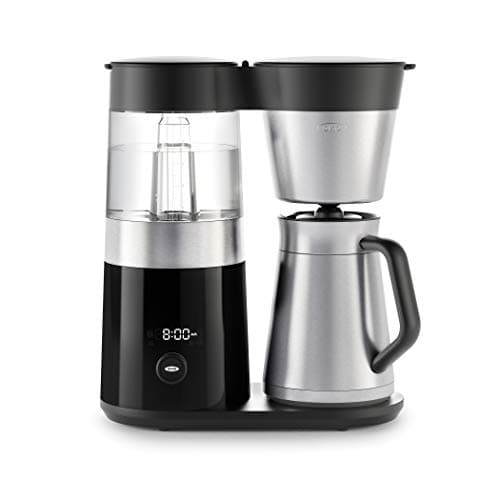
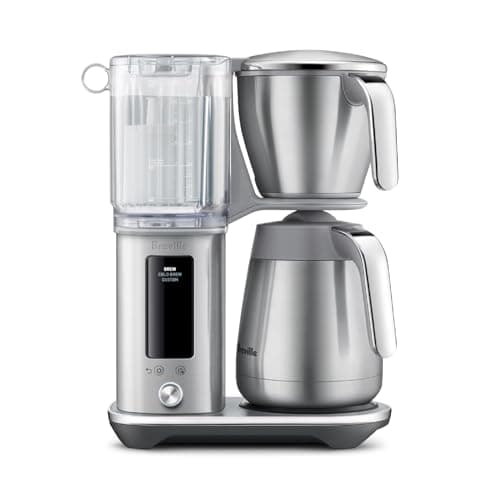
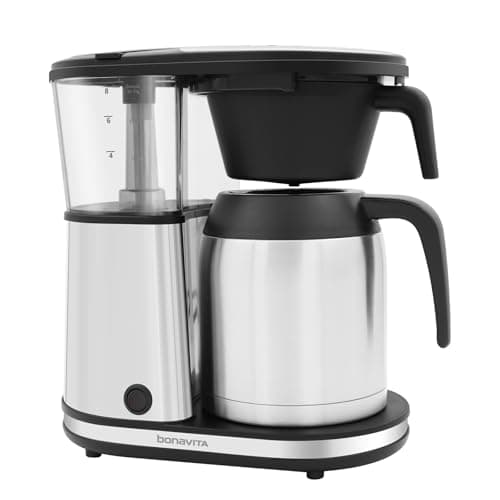
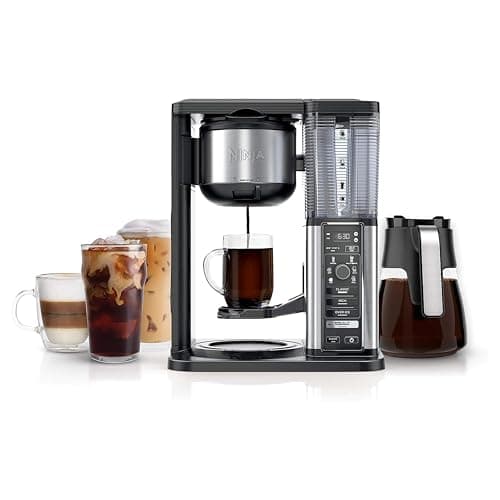
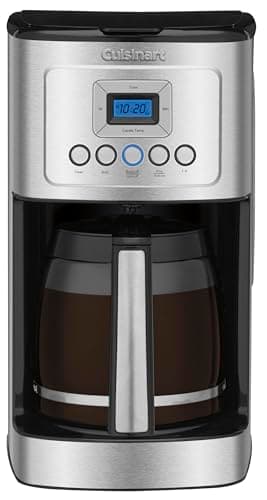
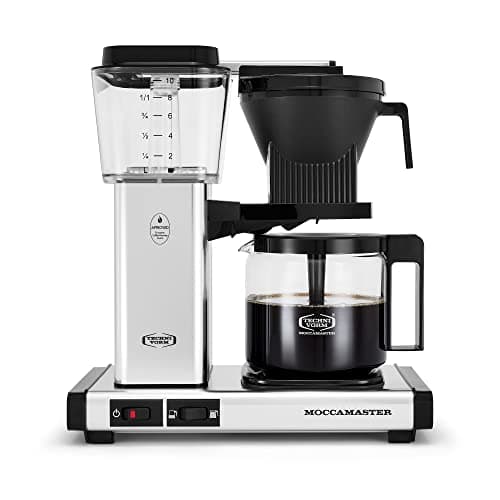
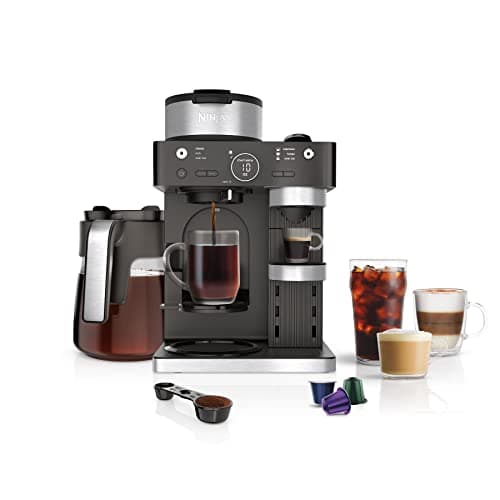
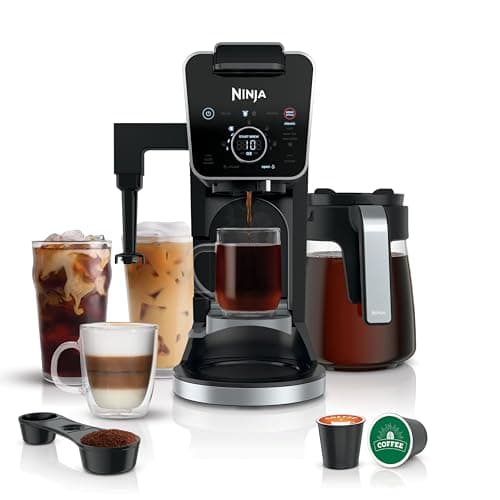
We ranked these six on that first. The Technivorm Moccamaster takes the top spot because it brews squarely inside the window and is built to keep doing it for a decade — it's hand-assembled in the Netherlands, and every part is sold individually, so a worn piece is a repair rather than a landfill trip. Just below it, the OXO Brew 9 Cup hits the same SCA-certified temperature for a lot less money, which is why it's the value pick. The Breville Luxe Brewer is the one machine here that lets a tinkerer dial brew temperature, bloom and flow by hand; the Bonavita is one button and a correct brew; the Ninja fakes a passable latte with a concentrate and a frother; and the big Cuisinart trades cup quality for fourteen cups on a wake-up timer.
None of these passed through our hands. We compiled the manufacturers' published specifications — which brewers carry SCA certification, which carafes are thermal versus glass-on-a-hot-plate — worked through the trade-off each design forces, and priced everything live. Where a claim is documented, like an SCA certification, we link it rather than pretend we measured it in a lab we don't have.
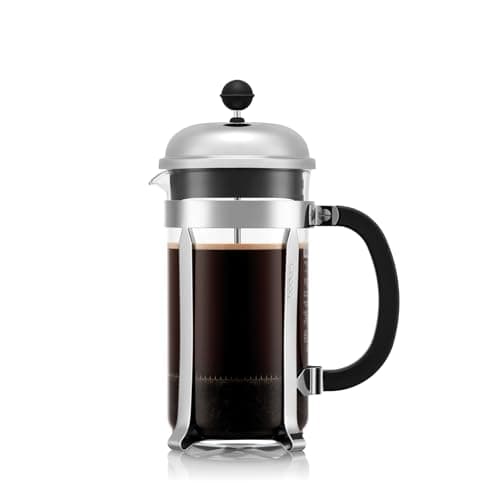
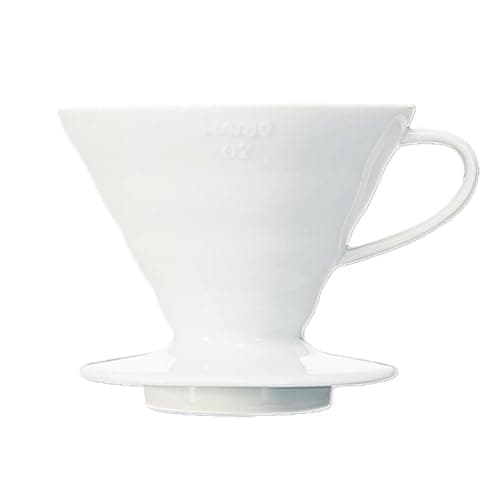
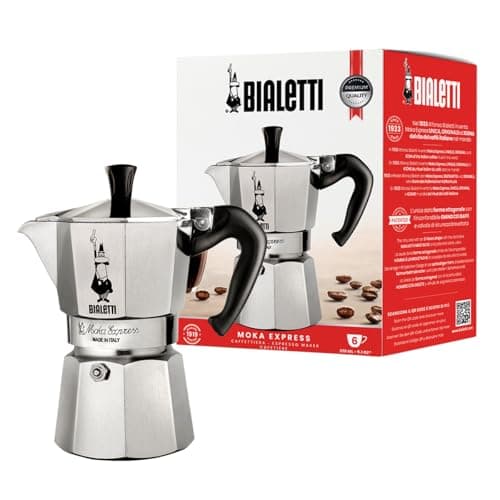
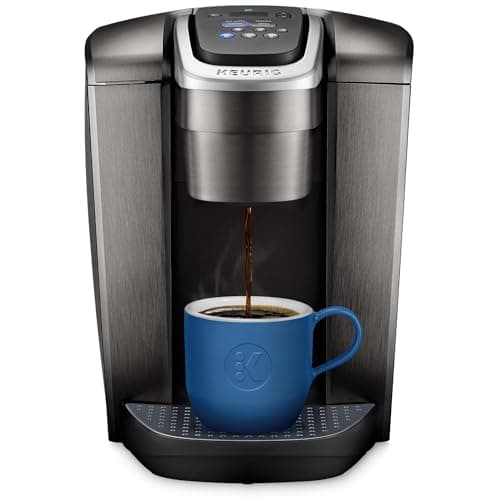
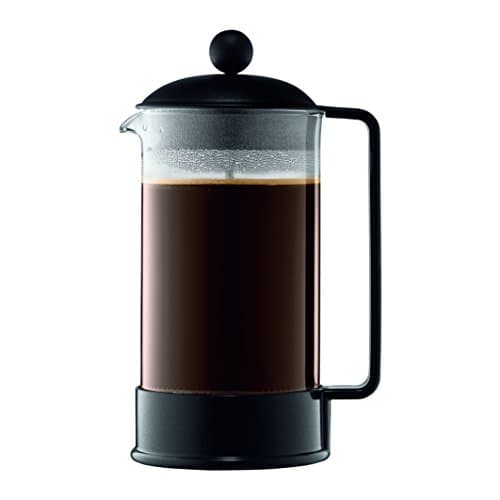
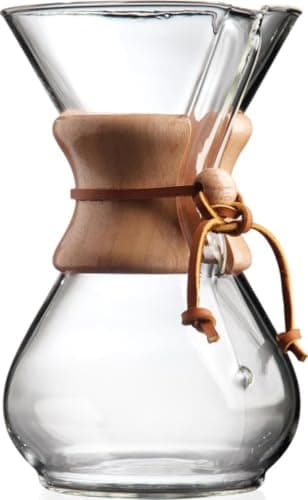
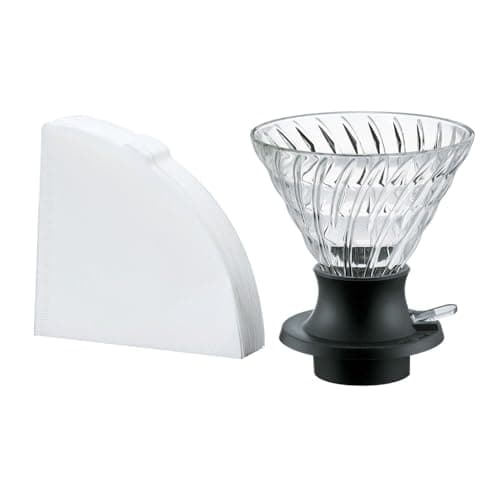
Drip is the right default for most kitchens: load it, press one button, walk away with a full carafe, and the good ones give up almost nothing in the cup to do it. If you'd rather trade that hands-off ease for more body or more clarity, the other brewers on this hub each beat drip at one thing — a French press for a heavier cup, a pour-over for a cleaner, brighter one, a moka pot for something strong off the stovetop, or a pod machine for pure speed.
One thing worth saying plainly up front: past the temperature and the carafe, most of what separates these machines is convenience, not quality. A programmable clock, a self-clean cycle, or a bigger carafe are all nice, but none of them change how the coffee tastes. Decide which conveniences you'll actually use, buy the cheapest machine that brews in the right window and has them, and put the money you saved toward a burr grinder and fresher beans — that is where the next real jump in the cup comes from.
How to actually choose a coffee maker
Work through these in order. The first two change the coffee; the rest are convenience.
1. Brew temperature is the whole ballgame
Extraction happens in a narrow heat band — the SCA's 195-205°F. Cheap machines skimp on the heater and brew below it, which is the single most common reason home drip tastes weak and sour. The machines that advertise "SCA certified" (the Moccamaster, OXO, Bonavita, Luxe Brewer) have been independently checked to hit that window. It is the one spec worth paying for, because it is the one you can taste.
2. It has to soak the whole bed — not one hole
A good brewer spreads water evenly over all the grounds through a showerhead; a cheap one dribbles it through the center and leaves the edges dry, so half your coffee never brews. You can't always read this off a spec sheet, but it tracks closely with the temperature certification — the machines that bother to get the heat right usually get the shower right too.
3. Thermal carafe vs glass on a hot plate
A glass carafe sits on a heated plate that keeps coffee "hot" by slowly cooking it — after thirty minutes it turns bitter and stewed. A double-wall thermal carafe (the Moccamaster, OXO, and Bonavita all offer one) keeps coffee hot by insulation instead, so the last cup tastes like the first. If you drink a carafe over a morning rather than all at once, thermal is worth insisting on. The big glass-carafe Cuisinart is the exception you accept only when you want volume and a timer more than you want the cup to hold up.
4. The grinder and the beans matter more than the machine
This is the honest part. A mid-priced brewer fed by a burr grinder and fresh beans beats a top-end machine fed by pre-ground supermarket coffee, every time. If your budget is fixed, buy a solid SCA-certified brewer rather than the flagship, and spend the difference on a grinder and better beans. Not sure which brewing style suits you? Start with our guide to coffee brewing methods, then come back and pick the machine.
The comparisons and the corners of this hub
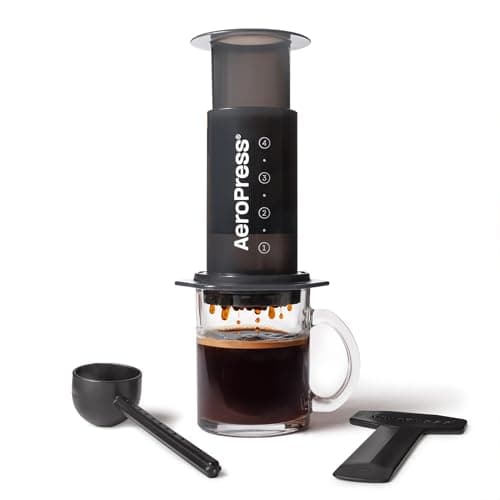
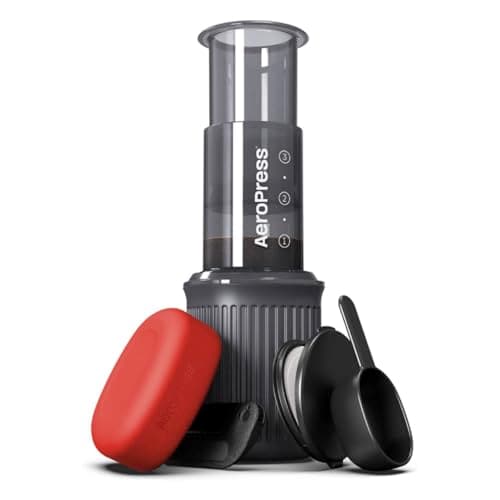
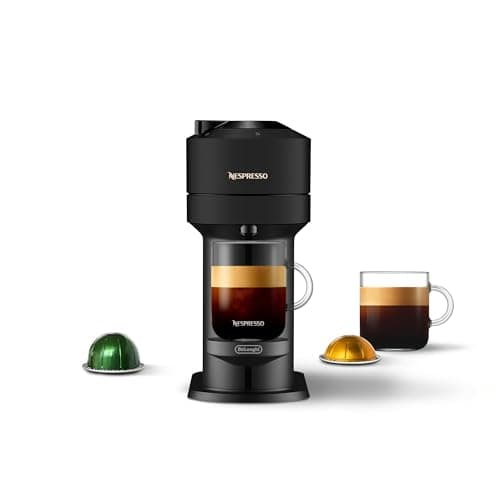
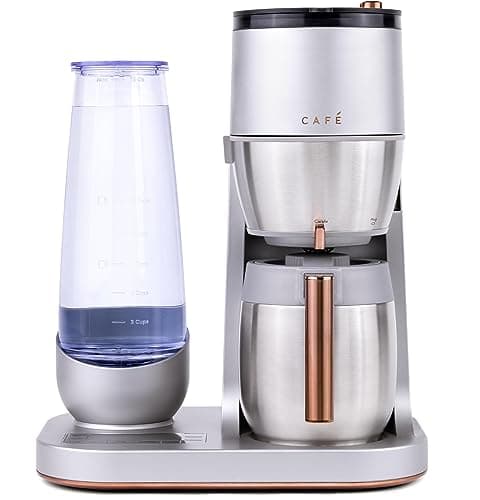
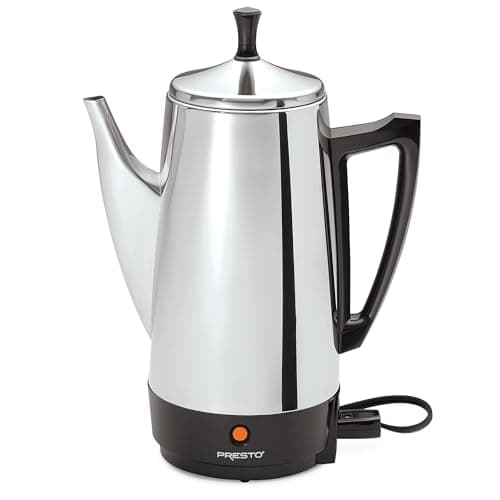
If you have narrowed down to a premium drip machine, our Moccamaster vs Bonavita comparison is the one that matters — both brew in the right temperature window, so the price gap buys repairability rather than a better cup. Beyond the mainstream shapes, this hub also covers percolators for campfires and crowds, grind-and-brew machines that put a burr grinder inside the brewer, and the AeroPress Go for travel. Pod drinkers choosing a Nespresso system should start with Vertuo vs Original, since the two lines use incompatible capsules. And if you are weighing the two cheapest ways to make strong coffee without electricity, moka pot vs French press explains why they are not substitutes.