Skip to content
Bean & Burr

HUB 06 · Learn

Coffee vs Espresso: What's the Difference?

Same bean, different pressure. Here's what actually separates the two — and which one you should be making at home.

By Stephen V.Updated How we research
#ad

We earn a commission when you buy through our Amazon links, at no extra cost to you. It never affects our rankings, and we say so when the cheaper product is the better buy. How this works.

Espresso is not a type of bean or a dark roast — it is a brewing method. Espresso forces hot water through finely-ground coffee under about 9 bars of pressure in roughly 25 to 30 seconds, producing a small, intense shot with a layer of crema on top. "Coffee," in the everyday sense, usually means a larger cup brewed by gravity — drip, pour-over or French press — with no pressure involved.

That single difference, pressure, drives everything else. Because espresso pushes water through the grounds so fast and so hard, it extracts a concentrated shot and pulls oils into suspension, which is what makes crema and gives espresso its heavier body. Gravity brewing takes minutes instead of seconds, uses a coarser grind, and produces a cleaner, larger, less intense cup.

The differences that actually matter

 EspressoBrewed coffee
How it's made~9 bar pressure, 25-30 secGravity, 2-4 min
GrindVery fineMedium to coarse
Serving size1-2 oz shot8-12 oz cup
Strength (concentration)HighLower
Caffeine per serving~63 mg per shot~95 mg per cup
CremaYesNo

The caffeine surprise

Here is the fact that trips most people up: a cup of drip coffee usually has more total caffeine than a single espresso shot, not less. Espresso is more concentrated per ounce, but you drink far fewer ounces. A shot is around 63mg; a mug of drip is around 95mg because it's so much bigger. Espresso feels stronger because it tastes intense, not because it delivers more caffeine.

So which should you make at home?

If you like small, intense drinks or milk drinks like lattes and cappuccinos, you want an espresso machine and, crucially, a grinder that can go fine enough. If you drink big mugs of black coffee, an espresso setup is the wrong (and pricier) tool — a good drip machine or pour-over makes a better version of what you actually want, for far less money.

Plenty of people want both, which is fine — but buy for the drink you make most mornings, not the one you make on Sundays.

The short answer

Quick picks

#ProductBest forScorePrice
01
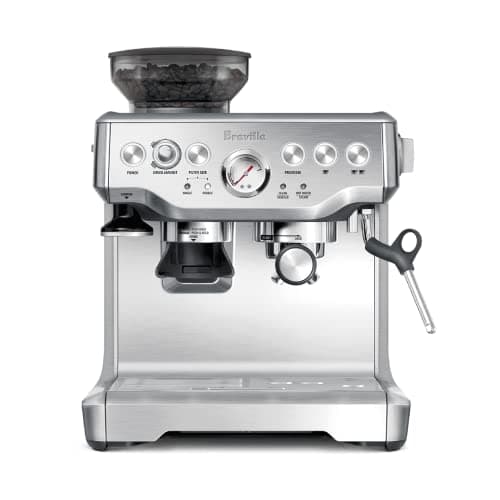
Breville Breville Barista Express (BES870XL)
Breville Barista Express (BES870XL)

The default first real espresso machine, and it earns that spot: a grinder is built in.

Most people buying their first proper machine
8.0
$689.99Amazon
02
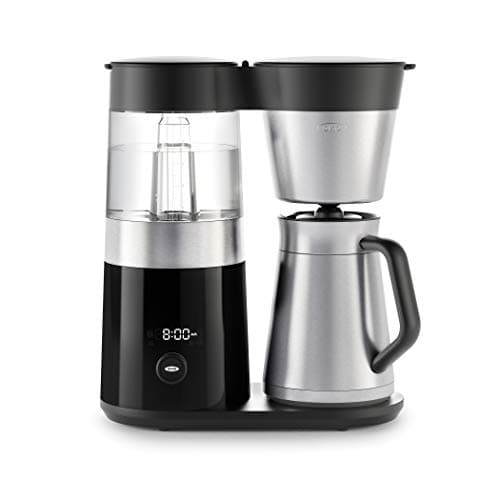
OXO OXO Brew 9 Cup Coffee Maker
OXO Brew 9 Cup Coffee Maker

The value pick that brews at the right temperature without the boutique price.

SCA-grade drip coffee on a sensible budget
8.2
$249.95Amazon
03
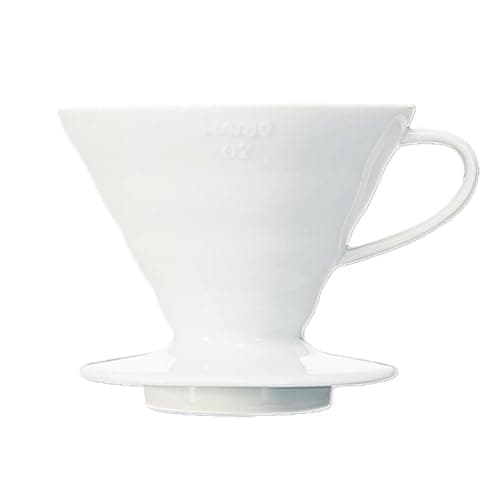
Hario Hario V60 Dripper (02)
Hario V60 Dripper (02)

The world's default pour-over cone. Cheap, brilliant, and endlessly rewarding to learn.

The classic pour-over starting point
8.2
$25.00Amazon

#ad · Live prices from the Amazon Product API, as of Sep 4, 2026. Where we have no verified live price, we show none — we would rather leave a gap than print a number that has rotted.

In detail

The picks, in full

01
Breville Breville Barista Express (BES870XL)

Most people buying their first proper machine

Breville Barista Express (BES870XL)

Built-in conical burr grinder54mm portafilter15-bar pump1600W ThermoCoil
8.0/10

The default first real espresso machine, and it earns that spot: a grinder is built in.

Shot quality
8
Steam & milk
8
Ease of use
8
Build quality
8
Value
8

Pros

  • The integrated grinder is the whole point — one purchase gets you a grind-to-shot setup, which is what most beginners actually need
  • Dose, grind size, and shot volume are all adjustable, so you can genuinely dial in rather than being stuck with one recipe
  • Breville's parts and service network in the US is the least painful in the category

Cons

  • The built-in grinder is good, not great — serious espresso people eventually add a dedicated grinder and this one becomes the backup
  • Single-boiler ThermoCoil, so you wait a few seconds between pulling a shot and steaming milk

Don't buy this if…

you already own a good grinder. Then you are paying for a grinder you don't need — look at the grinder-less Bambino Plus and put the savings toward better beans.

$689.99View on Amazon

Price as of Sep 4, 2026. Prices change — Amazon's is the one that counts.

#ad · we may earn a commission from this link to Breville Barista Express (BES870XL)

02
OXO OXO Brew 9 Cup Coffee Maker

SCA-grade drip coffee on a sensible budget

OXO Brew 9 Cup Coffee Maker

9-cupSCA certified brew tempProgrammableRainmaker shower head
8.2/10

The value pick that brews at the right temperature without the boutique price.

Brew quality
9
Ease of use
9
Build quality
7
Versatility
7
Value
9

Pros

  • Hits the SCA temperature window for far less than a Moccamaster, which is where most of the cup quality comes from
  • Programmable timer and a thermal carafe — the daily-convenience features the Moccamaster skips
  • The showerhead saturates the grounds evenly instead of drilling one hole through the bed

Cons

  • Not built to be repaired the way the Moccamaster is — more appliance, less heirloom
  • The interface is a single dial that takes a minute to learn

Don't buy this if…

you want a machine you'll still be repairing in ten years. That's the Moccamaster. The OXO is the smarter buy if you'd rather spend the difference on beans.

$249.95View on Amazon

Price as of Sep 4, 2026. Prices change — Amazon's is the one that counts.

#ad · we may earn a commission from this link to OXO Brew 9 Cup Coffee Maker

03
Hario Hario V60 Dripper (02)

The classic pour-over starting point

Hario V60 Dripper (02)

60° coneSpiral ribsSingle large holeCeramic
8.2/10

The world's default pour-over cone. Cheap, brilliant, and endlessly rewarding to learn.

Brew quality
9
Ease of use
6
Build quality
9
Versatility
7
Value
10

Pros

  • The cone shape and single big hole give you total control over flow and extraction — the reason it's the enthusiast default
  • Costs almost nothing and pairs with cheap filters
  • Produces a clean, bright, articulate cup that shows off good beans

Cons

  • The control is a double edge — a sloppy pour makes a mediocre cup, so it rewards a kettle and a bit of practice
  • You'll want a scale and ideally a gooseneck kettle to get the most from it

Don't buy this if…

you want to walk away while it brews. Pour-over is hands-on for two to three minutes — if that's a chore, a French press or a drip machine is the set-and-forget option.

$25.00View on Amazon

$30.5018% off

Price as of Sep 4, 2026. Prices change — Amazon's is the one that counts.

#ad · we may earn a commission from this link to Hario V60 Dripper (02)

How we picked

We do not run a testing lab

We compiled published manufacturer specifications, computed what each option costs to run where relevant, and cross-referenced aggregated owner reviews, then scored each product against a published rubric. The scores are judgments from documented research — they are not measurements we took, because we do not have a lab and we are not going to pretend we do. Where a number came from a manufacturer or a standard, we name it in Sources.

Questions

Frequently asked

Is espresso stronger than coffee?
Per ounce, yes — espresso is far more concentrated. But per serving, a mug of drip coffee usually has more total caffeine (~95mg) than a single espresso shot (~63mg), simply because the cup is much bigger. Espresso tastes stronger; drip often delivers more caffeine.
Can I make espresso in a regular coffee maker?
No — a drip machine brews by gravity and can't produce the ~9 bars of pressure real espresso needs, so there's no crema and no true shot. A moka potgets closer (strong, concentrated stovetop coffee) but still isn't true espresso. For that you need an espresso machine.
Do espresso and coffee use different beans?
Not necessarily. Any bean can be brewed either way. Beans sold as 'espresso' are usually just roasted a bit darker and blended for a balanced shot, but you can pull espresso from a light roast or brew drip from an espresso blend. The label is a suggestion, not a rule.

Keep reading

Receipts

Sources

We do not run a testing lab, and we do not pretend to. Where a measured number came from a manufacturer spec sheet or a published standard, we name it and link it. Where we could not verify something, we say so on the page rather than quietly leaving it out. Read our full method.