Espresso is the one corner of coffee where a gift can be objectively, unusably wrong. The reason is a number most gifters have never heard of: portafilter diameter. Espresso machines take a basket that is 58mm, 54mm, 53mm or 51mm across, and anything sized to that basket — tampers, distributors, puck screens, bottomless portafilters — only works on machines of the matching size. Buy the wrong one and it is not a slightly imperfect gift; it physically does not fit.
So this page is ranked by how hard each pick is to get wrong. The first six fit every espresso machine ever made, because they either sit next to the machine or work with any basket. The last pick is the tamper, and it is last on purpose — it is the best gift here if you can read the size off their machine, and a guaranteed return if you cannot. There is a short section below on how to find that number without spoiling the surprise.
One thing this page will not do is tell you to upgrade their machine. Someone who owns an espresso machine chose it, often after a lot of reading, and a replacement reads as a verdict on that choice rather than a gift. Accessories add; machines argue. If they have explicitly said they want a different machine, our espresso machine rankings are the place to start, but that is a conversation, not a surprise.
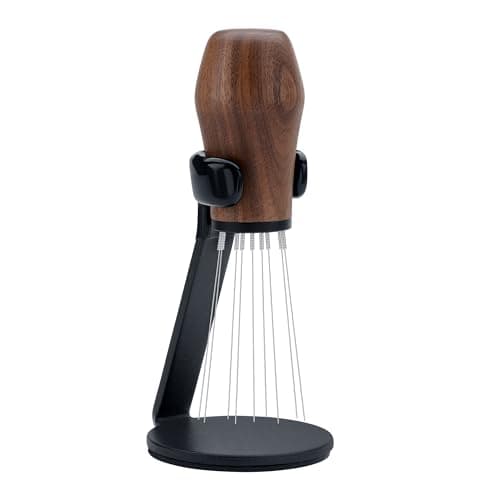
A WDT tool is our top pick and the best value in espresso, full stop. The nine fine needles are stirred through the dry grounds before tamping, breaking up the static clumps that cause water to carve a channel through the puck instead of extracting it evenly — channeling is the most common reason a home shot comes out sour and thin. Who it suits: anyone with an espresso machine, at any skill level, including people who have never heard of it. Why it lands as a gift: it is the tool enthusiasts read about and postpone buying because it looks like a novelty, and it takes about two shots to convert them. What to check: nothing— it works with any machine and any basket size, which is exactly why it is first. Our WDT tool roundup and full review cover it in depth.
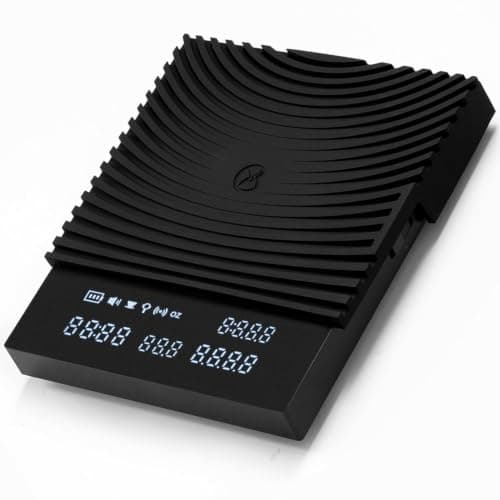
An espresso scale is the other universal gift. Espresso is the one brewing method where the difference between a great shot and a bad one is often two grams and four seconds, and you cannot see either without a scale that reads to 0.1g and counts time. The TIMEMORE Black Mirror Basic 3 is thin enough to sit on the drip tray under the portafilter, which sounds trivial and is actually the spec that decides whether a scale gets used daily or put in a drawer. Who it suits: anyone dialing in shots, which is everyone with a machine. What to check: whether they already own a 0.1g scale with a timer — if they do, this is a sideways move. Our espresso scales roundup ranks the field and how to dial in espresso explains what they will do with it.
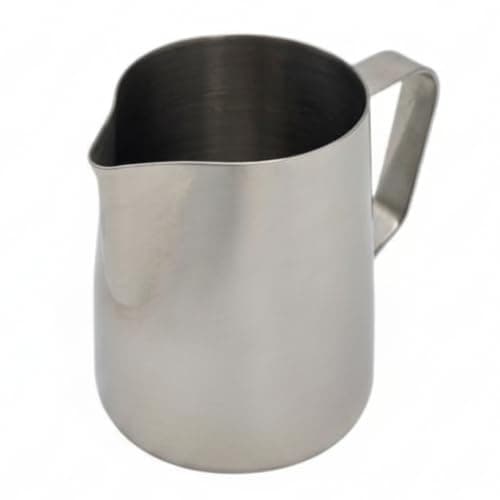
A proper milk pitcher is the gift for anyone who steams milk and is slightly embarrassed by their latte art. The spout is the entire product: a sharp, well-defined spout is what lets the milk fall in a controlled stream and make a pattern, and a vague rounded one makes latte art essentially impossible no matter how good the microfoam is. The Rattleware 12oz is the café standard at a home price. Who it suits: a latte or cappuccino drinker with a steam wand. Why it lands: most people are still using the flimsy pitcher that came in the box with the machine. What to check: 12oz is right for one or two drinks; if they routinely make four at once, size up. See our milk pitcher roundup, and how to steam milk is the guide to send with it.
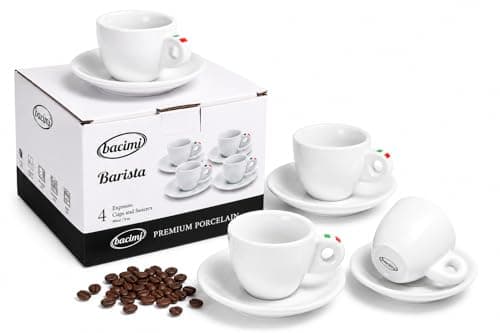
Proper espresso cups are the gift that makes a home setup feel finished, and there is a real functional argument underneath the aesthetics: thick porcelain holds heat, and a one-ounce shot in a cold, thin, oversized mug is lukewarm before it reaches the table. Three ounces is the correct size for a single or double. Who it suits: someone who drinks espresso short — straight shots, macchiatos, cortados. Why it lands: nobody buys themselves nice demitasse cups, and a set of four with saucers covers guests. What to check: if every drink they make ends up in a big latte mug, this is the wrong gift. Our espresso cups roundup has the alternatives, and espresso drinks explained covers which drinks these are for.
Specialty espresso beans are the one consumable on this page we are happy to recommend, with a caveat. Beans are usually a risky gift because roast preference is personal, but a bean that is explicitly blended and roasted for espresso by a named specialty roaster is a much narrower target than "coffee." Intelligentsia Black Cat is built for the shot — sweet and syrupy rather than sour or ashy — and it is a genuine step up from supermarket espresso blends. Who it suits: someone whose shots are already consistent. Why it lands: it is the treat they would not buy weekly at that price. What to check: buy whole bean, and know that a specialty medium is less forgiving of rough technique than a robusta crema blend — for a beginner, the best beans for espresso roundup has the forgiving options.
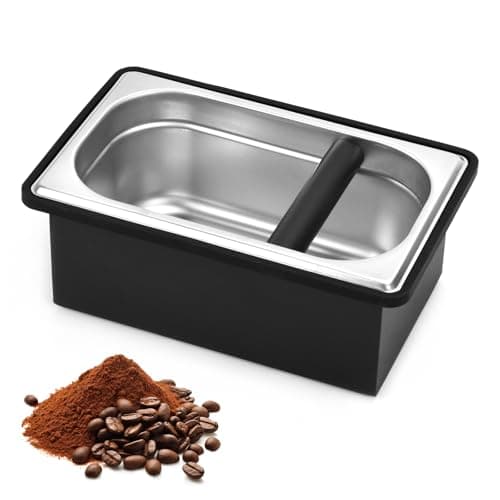
A knock box is unglamorous and genuinely wanted. Every shot leaves a compacted puck of spent grounds that has to go somewhere, and until someone owns a knock box that somewhere is the bin, the sink, or the counter — all of which are worse. A stainless box with a padded knock bar solves it permanently for very little money. Who it suits: anyone who pulls shots daily. Why it lands: it is the definition of a thing people know they should own and never get around to. What to check: counter space, and whether they already have one built into a drawer. Our knock box roundup covers the tidier and the cheaper versions.
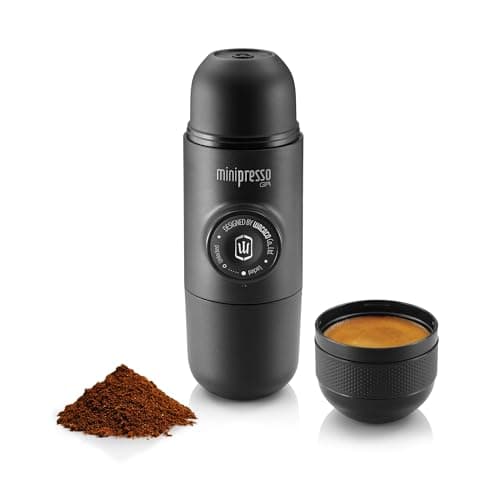
A portable espresso maker is the gift for the espresso person who travels, camps, or works somewhere with terrible coffee. The Wacaco Minipresso is hand-pumped, needs no power at all, takes ordinary ground coffee and produces a real crema-topped shot from a device that fits in a bag. Who it suits: campers, road-trippers, hotel-bound business travelers, and anyone who has complained about office coffee. Why it lands: it does not compete with their machine at all — it extends the habit to places the machine cannot go. What to check: it makes one small shot at a time by hand and has no steam wand, so it is a travel tool rather than a second machine. Our manual espresso makers roundup compares it with the lever alternatives.
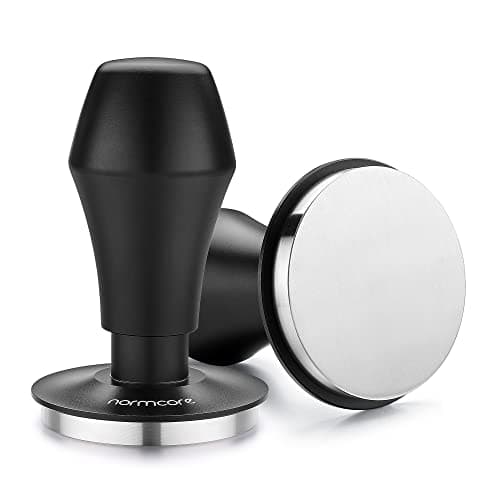
A calibrated tamper is the best gift on this page for the right machine and a wasted one otherwise, which is why it is ranked last. The spring clicks at a set pressure so every tamp is identical, which removes one of the biggest sources of shot-to-shot variation for anyone still learning. Who it suits: someone whose shots are inconsistent and who tamps by feel. What to check — and this is the whole point: the Normcore V4 shown here is the 58.5mm size, for 58mm machines. Most Breville machines use a 54mm basket, most De'Longhi machines use 51mm, and a 58mm tamper will not enter either. Read the size off their portafilter before you order, or buy the WDT tool instead, which fits everything. Our tamper roundup lists the sizes, our Normcore tamper review covers this model, and what is a portafilter explains where to find the number.
How to buy an espresso gift without getting the size wrong
Find the portafilter diameter, or avoid it entirely
The portafilter is the handled metal device that locks into the front of the machine; the basket sits inside it. Its diameter is the number that matters, and there are four common ones: 58mm on commercial-style and prosumer machines (Gaggia, Rancilio, the Breville Dual Boiler), 54mm on most consumer Brevilles including the Bambino and Barista Express, 51mm on most consumer De'Longhi machines, and 53mm on a handful of others. It is usually printed in the manual, listed on the product page for the machine, and searchable by model number — which is normally on a sticker underneath. If you cannot get it without asking, do not guess: everything else on this page fits every machine.
Rank by compatibility, then by impact
The picks above are deliberately in that order. WDT tools, scales, pitchers, cups, beans, knock boxes and travel makers have no machine-specific requirement at all. Tampers, distributors, puck screens, bottomless portafilters and basket upgrades all do. Within the universal group, the WDT tool and the scale have the highest effect on what is actually in the cup, which is why they lead.
Do not buy a grinder for an espresso person without checking
Grinders are the classic expensive espresso-gift mistake, in two directions. First, many excellent grinders cannot grind fine enough for espresso — filter-focused models like the Fellow Ode are explicitly not espresso grinders, and buying one for an espresso household is a costly misfire. Second, espresso people tend to have strong opinions about grinders and to have already chosen theirs. If you want to go there, our best espresso grinders page is the honest map, and a hand grinder from the espresso hand grinders is the version that adds rather than replaces.
What to skip
Boxed "barista kits" almost always contain a tamper in one arbitrary size plus four flimsy tools, which makes them the worst value and the highest fit risk in one package. Descaling and cleaning supplies are genuinely useful but read as a chore rather than a gift — keep them for a stocking filler alongside something better, and our cleaning supplies roundup covers what actually works. And avoid pod-machine accessories for someone with a real machine, and vice versa; the two worlds do not share parts.
If you want to give one thing and stop reading
Give the WDT tool. It costs little, fits every machine ever made, measurably improves the shot by fixing the most common extraction fault, and it is interesting enough to be fun to unwrap. Add a bag of espresso-specific beans with a visible roast date and you have a complete, thoughtful, correctly-sized gift with no research required. The espresso gear checklist works effectively as a registry if you want to see the whole progression.