The whole-bean sermon is so common it sounds like snobbery, so here is the actual mechanism. Roasted coffee stales by exposure — oxygen dulling aromatics, CO2 escaping — and grinding multiplies the exposed surface hundreds of times in three seconds. An intact bean protects its own interior; grounds are all exterior. That is the entire argument, and it is physics, not preference: whole beans hold peak flavor for weeks; ground coffee fades in days.
The timeline, honestly
Whole beans, sealed and stored well, drink beautifully for roughly a month past roast and acceptably beyond (the full windows). Pre-ground is noticeably duller within days of opening and generic within a few weeks — which is why supermarket ground coffee, often months old before you touch it, tastes like the idea of coffee rather than any particular one. Aroma is the casualty: most of what you smell in fresh grounds is what you lose.
What it costs to switch
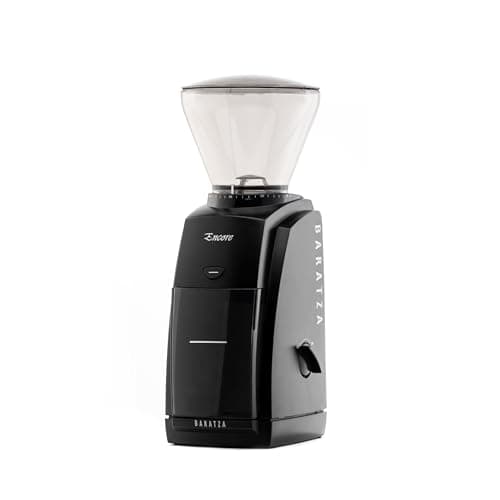
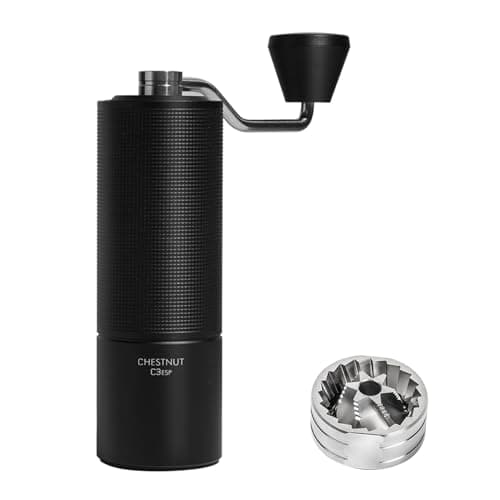
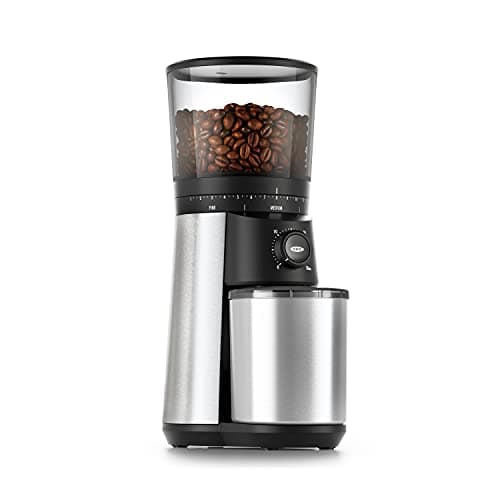
One tool: a burr grinder, from a capable sub-$100 pick to the Encore default, plus thirty seconds a morning. In exchange you get the freshness curve above and control of grind size per method — the setting a bag of pre-ground fixes forever at the factory (and why it must be a burr, not a blade). For espresso the switch is not optional at all: pre-ground cannot be dialed in. If you are choosing that one tool now, our ranked coffee bean grinders cover the whole field, and the burr grinder roundup sorts it by price bracket.
When pre-ground is honestly fine
Truthfully: for the drinker who buys a small bag, finishes it inside two weeks, brews a forgiving method (drip, press) and values the two saved minutes more than the aroma — pre-ground is a reasonable adult choice, and freshly-roasted pre-ground from a local roaster beats stale whole beans from a warehouse. The upgrade matters most for espresso, pour-over, and anyone whose bag lasts a month. Buy fresh, buy small, and the format matters less; buy big and slow, and whole-bean is doing real preservation work.