This page covers the band from roughly $50 to $150, which is deliberate: everything under fifty dollars is on its own page, and repeating it here would waste your time. What this tier buys that the one below does not is the grinder — the single upgrade that changes how coffee tastes more than any other purchase in the category, including the machine. If you only take one thing from this page, take that.
The second thing this tier buys is precision: a kettle that holds a temperature, a scale that reads to a tenth of a gram, a canister that actually pulls the air out. None of these are exciting to unwrap in the way a brewer is, and all of them are things enthusiasts postpone buying for themselves, which is precisely what makes them good gifts. Prices below are live and date-stamped; picks were chosen because they normally sit inside this band, and the number on each card is the one that counts.
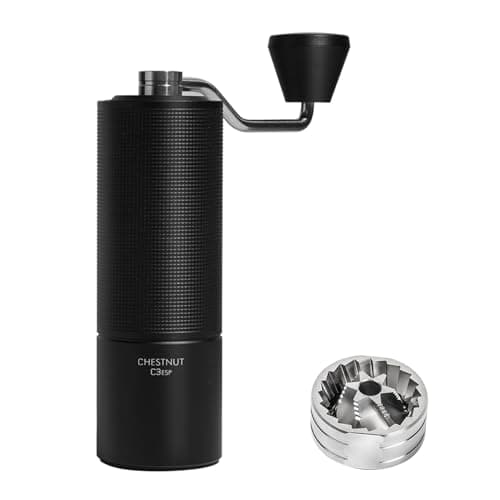
The TIMEMORE Chestnut C3 ESP is the best gift on this page and the best use of about a hundred dollars in home coffee. Grinding beans fresh is the biggest single improvement available to someone buying pre-ground — ground coffee loses most of its aromatics within about fifteen minutes — and the C3's stainless burrs are tight enough to outperform electric grinders costing considerably more. The ESP version adjusts fine enough for real espresso, not just filter. Who it suits: someone buying pre-ground coffee today, or someone with an electric grinder who travels. What to check: it is manual, and grinding a fine espresso dose by hand is a genuine arm workout. For a household making several espressos a morning, buy the electric option below instead. Our hand grinder roundup and hand vs electric lay out the trade honestly.
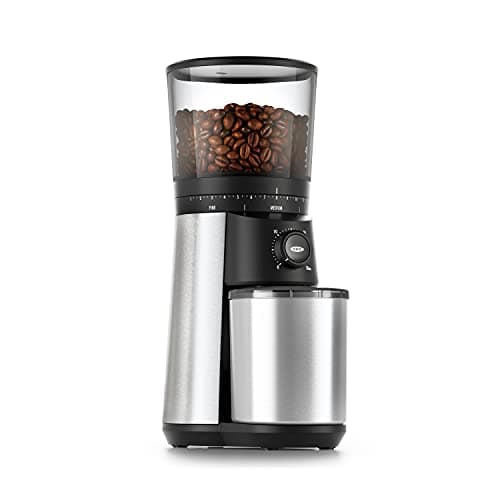
The OXO Brew Conical Burr Grinder is the electric answer in this band. It is a genuine burr grinder with a timer and a micro-adjust, which makes it a massive upgrade over any blade grinder for drip, French press and pour-over, and the timer makes daily dosing repeatable without thinking. Who it suits: the filter-coffee household — someone with a drip machine or press who currently buys pre-ground. What to check, and it is the important one: it does not grind fine or consistently enough for good espresso. If there is an espresso machine in the kitchen, this is the wrong gift and you want to look at the espresso grinders under $200 instead. The best grinders under $100 covers the cheaper end of the same decision.
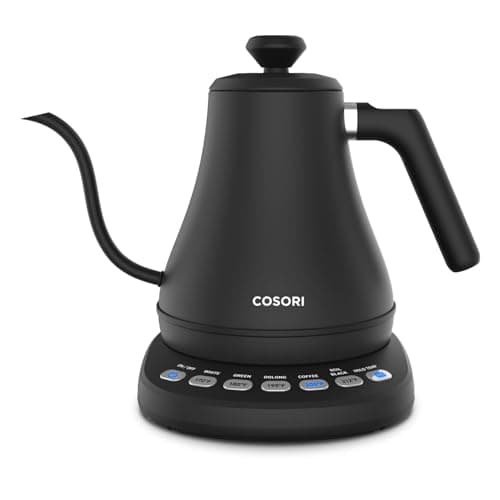
The Cosori gooseneck kettle gives the two things that actually matter in a pour-over kettle — a gooseneck spout for a slow, controlled pour, and variable temperature — at a fraction of the boutique price. Preset temperatures cover pour-over, French press and tea without fiddling. Who it suits: anyone who makes pour-over, or anyone you are also giving a V60 or Chemex to; this is the completing half of that gift. What to check: if they only make French press or press a button on a drip machine, a gooseneck is precision they will never use, and a regular kettle boils water for less. If you want the object rather than the tool, the Fellow Stagg on our gooseneck kettle roundup is the upgrade, and how to use a gooseneck kettle is worth sending with it.
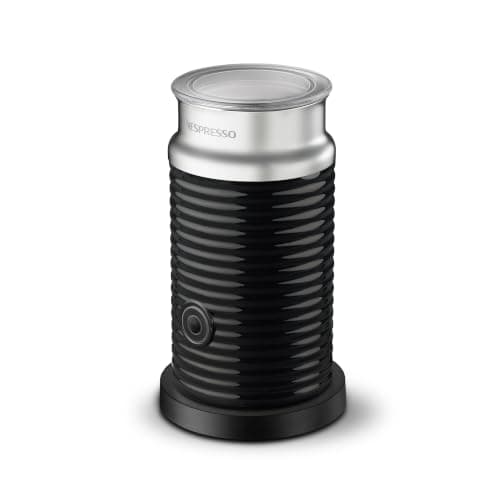
The Nespresso Aeroccino 3 is the pick for the latte drinker who has no steam wand. One button, consistent milk foam every time, hot or cold — no technique required, which is the whole point. It pairs naturally with a pod machine, a moka pot or any espresso maker without a wand, and it turns "I can make coffee" into "I can make the drink I actually order." Who it suits: cappuccino, latte and iced-latte drinkers who currently make black coffee at home. What to check: if their espresso machine already has a good steam wand, this duplicates a tool they own — and a wand makes better microfoam than any standalone frother. Our milk frother roundup covers the alternatives, and frothing milk without an espresso machine explains what is achievable without one.
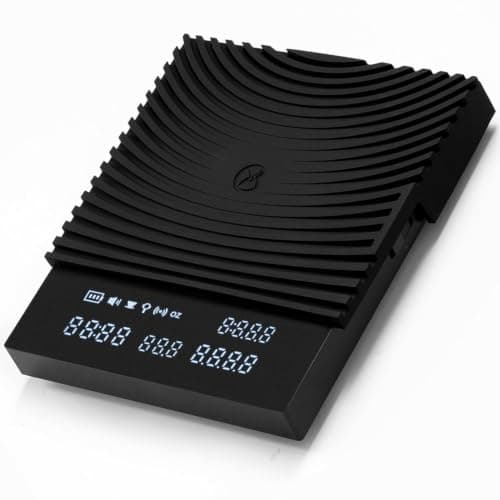
A proper coffee scale is the least glamorous gift on this page and the one most likely to be used twice a day forever. The TIMEMORE Black Mirror Basic 3 reads to 0.1g, has a built-in timer, and is thin enough to sit on an espresso drip tray under a portafilter — weight and time are the two numbers that turn a lucky cup into a recipe. Who it suits: anyone who has started paying attention to how their coffee tastes, and especially anyone dialing in espresso. What to check: if they already own any 0.1g scale with a timer, this is a sideways move rather than an upgrade; buy something else. Our espresso scales roundup ranks the field, and the coffee-to-water ratio guide explains what they will do with it.
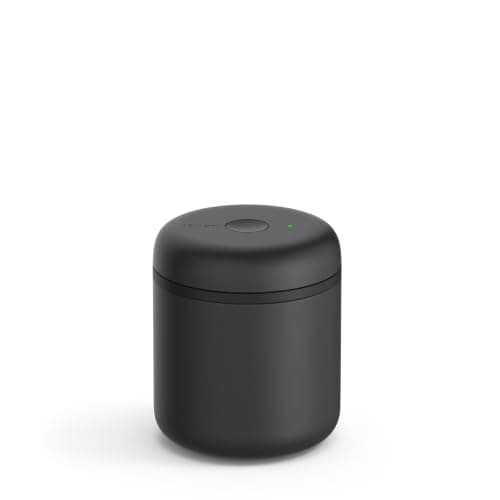
The Fellow Atmos is the storage gift for someone who buys good beans. It is a steel canister with an electric pump that senses the air inside and removes it automatically — a real vacuum rather than a gasket and a hopeful twist — which slows the oxidation that turns a specialty bag flat within a fortnight. It also looks like a gift, which the cheap version does not. Who it suits: someone buying whole bean coffee from named roasters, especially in larger bags. What to check: if they finish a bag inside a week, the beans barely oxidize and this is money spent on a problem they do not have — a plain airtight canister is fine, and the storage roundup covers those.
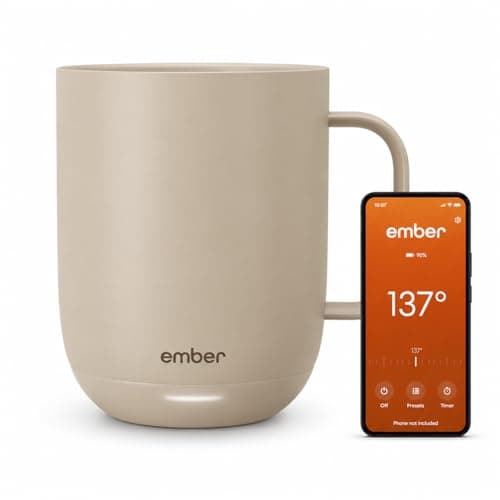
The Ember Smart Mug 2 is the gadget of this tier, and it solves one specific problem completely: coffee going cold on a desk. It holds the cup at a temperature set in an app, for the slow sipper who currently reheats half a mug mid- morning. It gets the biggest reaction of anything here when it is opened. Who it suits: desk workers, home-office people, anyone who nurses a cup for an hour. What to check: it is a rechargeable gadget, so it needs a coaster and a plug, and someone who drinks their coffee in ten minutes will genuinely never notice the benefit — a vacuum-insulated mug from our travel mug roundup does more for less if heat retention on the move is the actual problem.
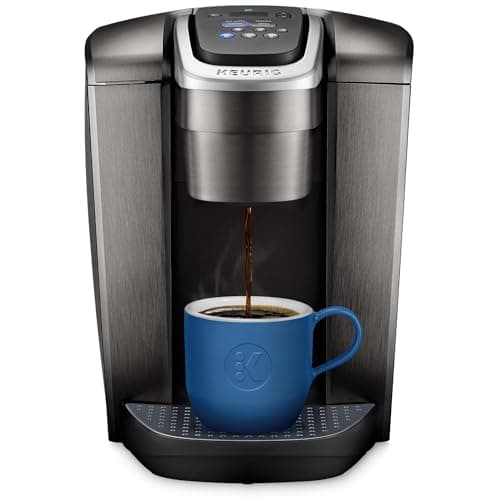
The Keurig K-Elite is on this page for a recipient the rest of it ignores: the person who wants coffee in sixty seconds and does not want a hobby. Convenience is the entire product, and judged on that it is the best-appointed pod machine — strength and temperature control, an iced setting, and a reservoir big enough to go several drinks between refills. Who it suits: offices, guest rooms, busy households, and anyone who has told you plainly that they do not care how it tastes as long as it is fast. What to check: pod coffee costs several times more per cup than beans and has a hard flavor ceiling, so this is the wrong gift for someone on their way into the hobby. A reusable filter cuts both the cost and the waste — see the best reusable K-Cups — and Keurig vs drip makes the honest comparison.
How to choose in the $50-$150 band
If they buy pre-ground coffee, buy the grinder
Nothing else on this page competes. Grind freshness is the largest controllable variable in a home cup, ahead of the brewer and well ahead of the beans, and someone buying pre-ground has the biggest available improvement sitting unclaimed. The only real decision is manual or electric: manual is cheaper, quieter, travels, and costs effort every morning; electric is faster and better for espresso volume but needs more money for the same grind quality. Hand grinder vs electric works through it properly.
If they already grind, buy precision
The second tier of improvement is control: a scale to make the recipe repeatable, a gooseneck kettle to control the pour, a canister to stop the beans going flat between bags. These are the purchases enthusiasts know they should make and keep deferring, because none of them are fun to buy for yourself. That is exactly the gap a gift fills.
Match the gift to the drink they order out
What someone orders in a café tells you more than what is on their counter. A flat white or latte drinker who makes black coffee at home has an unsolved milk problem, and a frother solves it. A filter drinker who talks about a specific roaster wants precision gear. Someone who orders drip and leaves is a candidate for a better brewer, not a fiddlier one. Our espresso drinks explained maps the menu if you are not sure what the difference is.
The espresso trap in this tier
Espresso is the one place where a $150 budget gets awkward, because an espresso setup needs both a machine and a grinder that adjusts fine enough, and neither half alone is much use. A grinder that is excellent for drip — the OXO, for example — cannot grind fine enough for espresso, and buying one for an espresso household is the most common mistake in this bracket. If there is an espresso machine in the kitchen, buy from gifts for espresso lovers instead; if the goal is to start them on espresso entirely, the budget conversation starts at machines under $300 plus a grinder, and honestly belongs in the no-budget tier.