Espresso has an accessories problem. For every tool that genuinely improves the shot there are ten that exist because a shiny stainless gadget is easy to sell to someone who has just dropped several hundred dollars on a machine. The honest truth is that most of them are clutter — pleasant to own, occasionally fun, and completely invisible in the cup.
So we ranked these six the only sensible way for an accessory: by how much difference each one makes per dollar you spend. On that measure, two of them run away with the list. A WDT tool and a scale are the two cheapest upgrades in all of espresso and also two of the largest — together they cost less than a bag of nice beans a month, and between them they fix the two mistakes beginners make most: clumpy, unevenly distributed grounds, and a dose measured by eye instead of by weight.
The WDT tool takes the top spot because breaking up clumps before you tamp is the single most reliable fix for channeling — the sour, gushing, unevenly extracted shot that ruins good beans. A scale is a close second: weigh your dose, time your shot, and you have a recipe you can repeat instead of a new experiment every morning. Below those two the returns shrink. A calibrated tamper makes your tamp consistent; a milk pitcher is essential only if you drink lattes; a knock box keeps the counter tidy; and a set of proper espresso cups is the finishing touch that holds heat but does nothing for the coffee itself.
None of these, it is worth saying plainly, will rescue a bad grinder. The grind is upstream of every accessory on this page, and a great WDT tool stirring inconsistently ground coffee is still stirring inconsistently ground coffee. If you are choosing between another gadget and a better grinder, buy the grinder — see our best grinders for espresso. Accessories refine a setup that already has the fundamentals right; they cannot substitute for them.
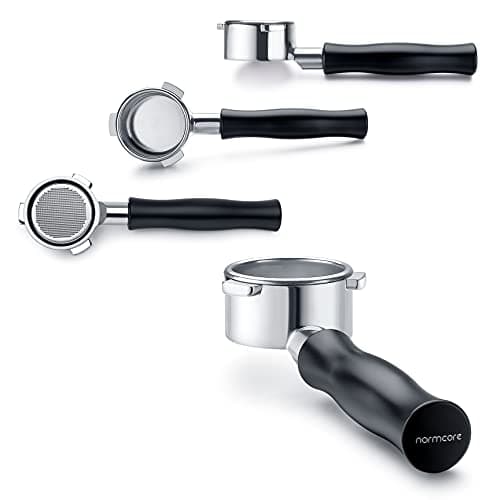
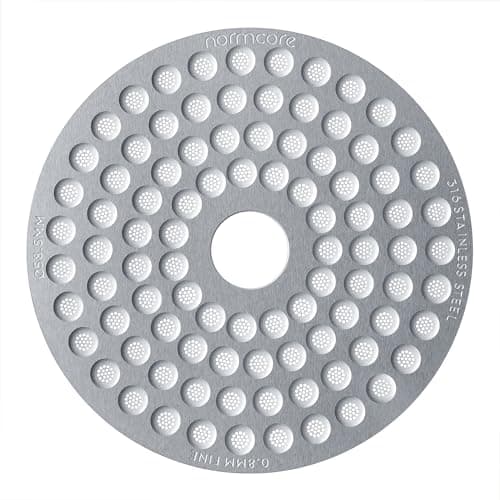
What you will notice is missing from the ranked list above: puck screens, dosing funnels, pressure mods, and the dozen other upgrades enthusiast forums love. None are wrong, but all are refinements you reach for after the basics are handled, and most change the shot far less than the small habit of weighing your coffee. The one exception worth a detour is a bottomless portafilter— it brews no better than the one you own, but it makes channeling visible instead of invisible, which tells you whether the WDT tool and the scale are actually working. Buy from the top of this list down, stop when you stop noticing a difference, and put the money you save toward better beans or a better grinder. If you are starting from zero, our beginner starter checklist lays out the cheapest useful version of each essential in the order it matters.
What each accessory actually does
Every tool here earns its place — or doesn't — by what it changes in the cup or on the counter. Here is the plain version, in the order we'd spend on them.
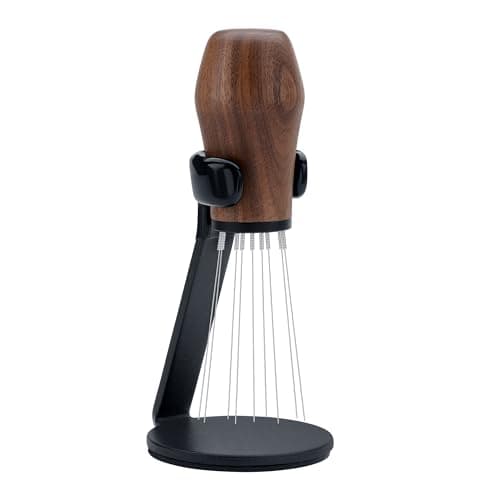
WDT tool — essential, and the cheapest thing here
WDT stands for Weiss Distribution Technique, which is a grand name for stirring your grounds with fine needles before you tamp. Freshly ground coffee clumps and holds static, and those clumps make water take the path of least resistance straight through the puck — that's channeling, and it's why a shot goes sour and gushes. Breaking the clumps up is the highest-impact dollar in espresso. Buy it first.
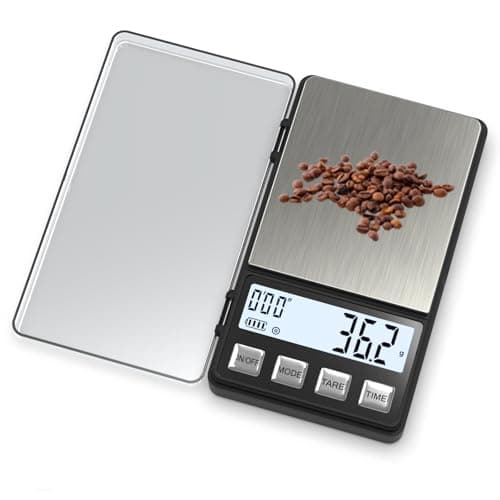
Scale — essential the moment you stop guessing
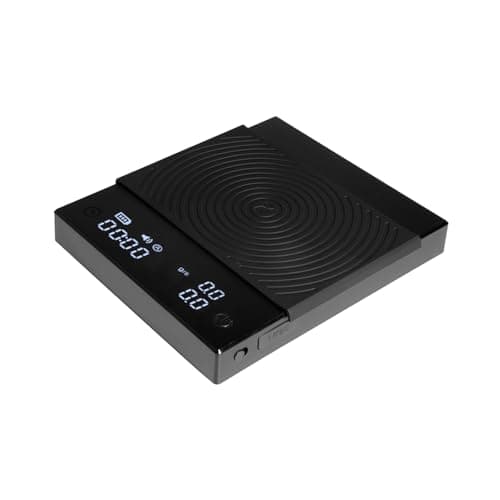
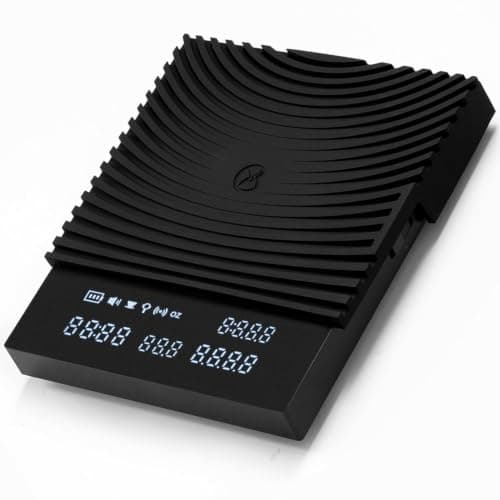
A scale with a timerturns "a scoop or two" into a repeatable recipe: so many grams in, so many grams out, in so many seconds. That is the whole game of consistency. For espresso you want 0.1g resolution, because a gram either way on an 18g dose is a noticeable change. It is the second thing to buy, and arguably the first if you already prep your puck by hand.
Tamper — useful, occasionally a crutch
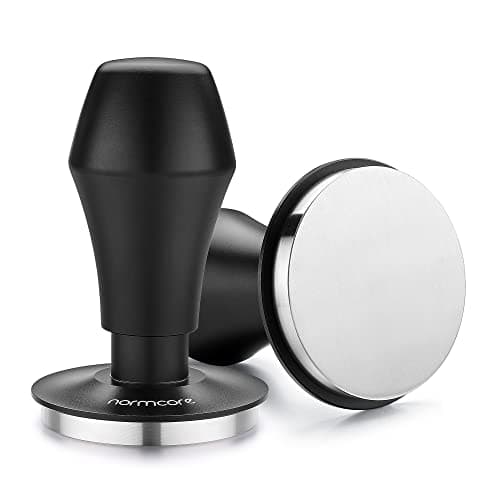
A tamper compresses the grounds into an even puck so water meets uniform resistance. A calibrated (spring-loaded) one clicks at a set pressure so every tamp is identical — genuinely helpful while you learn, though many people outgrow it once their by-hand tamp is steady. The one rule that matters: it must match your portafilter size, or it is useless.
Milk pitcher — essential only for milk drinks
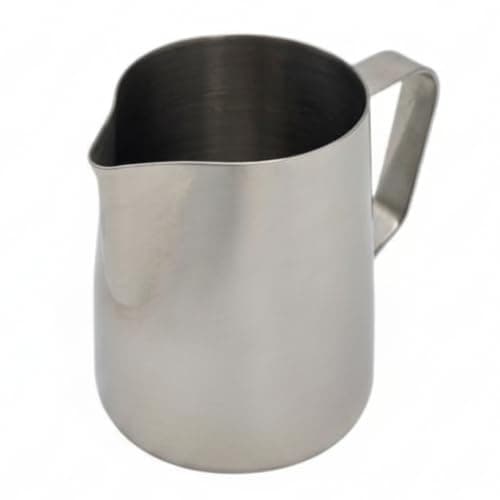
If you drink lattes and cappuccinos, a steaming pitcher with a sharp spout is what lets you texture milk and pour a pattern. If you drink your espresso black, it is dead weight in the cupboard. Simple as that — buy it if and only if milk is part of your routine. When it is, size is the decision that matters most, and our milk pitcher guide matches the sizes to the drinks.
Knock box — pure convenience
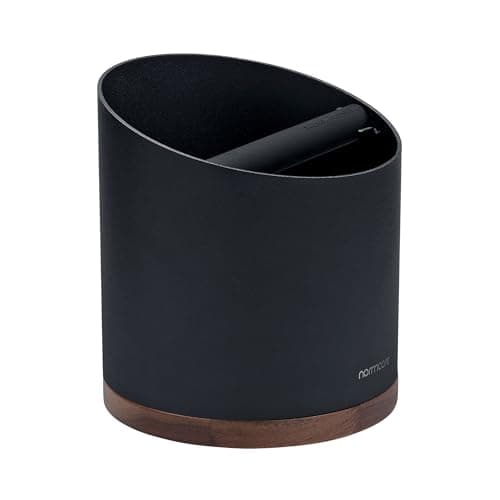
A knock box gives the spent puck a tidy home so you empty it every few days instead of knocking into the bin after every shot. It changes nothing in the cup. It is a quality-of-life upgrade, and a knock into a lined trash can works for free if the budget is tight.
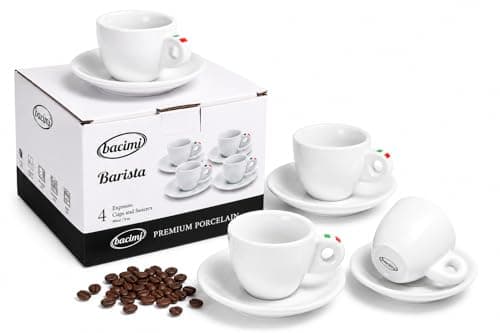
Espresso cups — the finishing touch
Thick porcelain cups hold heat, so a small shot doesn't go lukewarm before you drink it — a real reason, not just looks. But they do nothing for the coffee's quality. Buy them last, when the tools that actually change the shot are already in place.
Three more corners of this hub
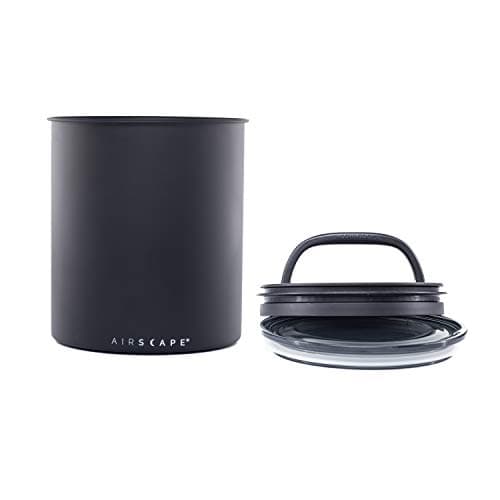
Two of the parts people ask about most are not on the list above because they do less than their marketing suggests. Our puck screen roundupis blunt about that: a screen keeps your group head clean, which is genuinely worth having, but it will not fix channeling — and the page says which two parts will. On scales, the TIMEMORE Black Mirror review covers the slim espresso scale that fits on a drip tray, and for storage the Airscape canister review explains the one-way valve that actually removes air from the bag rather than just sealing it in.