"They have everything" is almost never true in coffee. What is true is that they have a complete working setup, which is a different problem: anything you add has to either replace something that works or serve a use case their current gear does not cover. That is a harder brief than a beginner gift, and it is why so many expensive coffee gifts end up unused.
There are only three moves that reliably work at this level, and every pick below is one of them. Upgrade the weakest link— usually the grinder, because people buy the machine first and economize on the grinder, and grind consistency is what actually limits the cup. Add a method they do not have— a serious filter setup for an espresso household, or the reverse. Or buy the object they want but cannot justify, which is the only category where price genuinely is the feature.
A caution before the list, because at these prices it matters: large coffee gear is a countertop commitment in someone else's kitchen, and the bigger the gift the more likely it is that they have already researched what they would buy. For anything at machine prices, the safest version of the gift is to ask — or to buy the grinder, which almost nobody has over-specified.
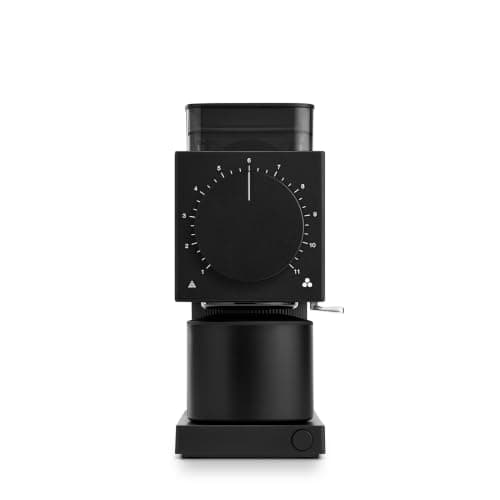
The Fellow Ode Gen 2 is our top pick because it is the clearest example of upgrading the weakest link. It is a single-dose filter grinder with 64mm flat burrs and near-zero retention, which means what you weigh in is what you brew — no stale grounds carried over from yesterday — and the grind it produces for pour-over and drip is noticeably more even than the conical entry grinders most people own. It is also quiet and genuinely beautiful, which matters for an object that lives on a counter. Who it suits: a filter-coffee obsessive — pour-over, Chemex, AeroPress, drip. What to check, and it is the expensive mistake in this category: it is not an espresso grinder. If they pull shots, this is the wrong gift; see the Eureka below. Our Fellow Ode Gen 2 review and single-dose grinder roundup have the detail.
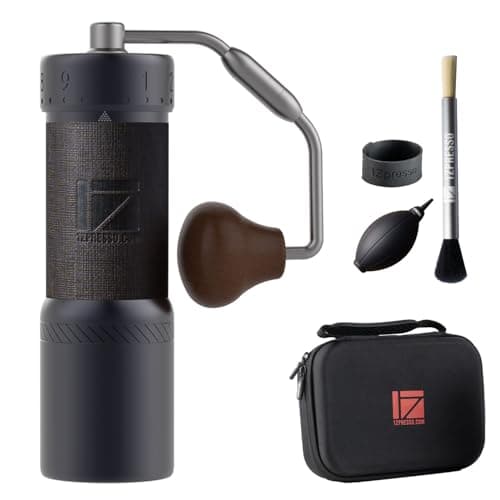
The 1Zpresso J-Ultra is the gift for someone who already has an electric grinder and would never spend this much on a manual one. That is precisely what makes it work as a gift: it is a premium hand grinder with espresso-fine steps and an external numbered dial, so a setting can be repeated exactly, and its consistency competes with electric grinders costing considerably more. It becomes their travel grinder, their single-dose grinder for a special bag, or the thing they use when they do not want to wake the house. Who it suits: an enthusiast who travels or camps, and anyone who enjoys the machined-object side of the hobby. What to check: hand-grinding fine enough for espresso, dose after dose, is real physical effort — this is a gift for someone who finds that satisfying rather than annoying. Our J-Ultra review and hand vs electric lay out the trade.
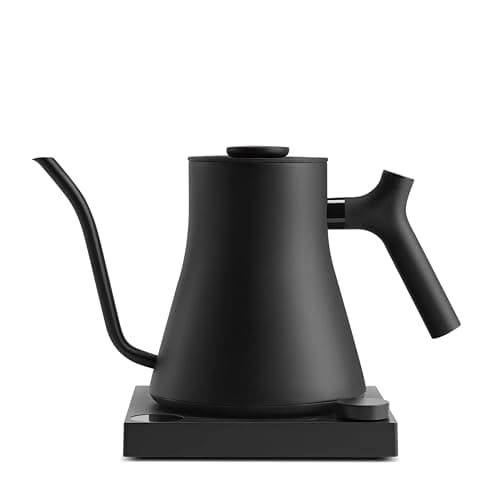
The Fellow Stagg EKG Pro is the object gift that is also a real tool. Temperature to the degree, a precision gooseneck for a controlled pour, a built-in brew timer, and a presence on the counter that a plastic kettle does not have. It is the canonical "wants it, will not buy it" purchase in coffee — the value argument against it is strong, which is exactly why it makes a better gift than a self-purchase. Who it suits: anyone who makes pour-over, and anyone who cares what their kitchen looks like. What to check: if they only make French press or drip, the precision is wasted. See our gooseneck kettle roundup for the value alternative.
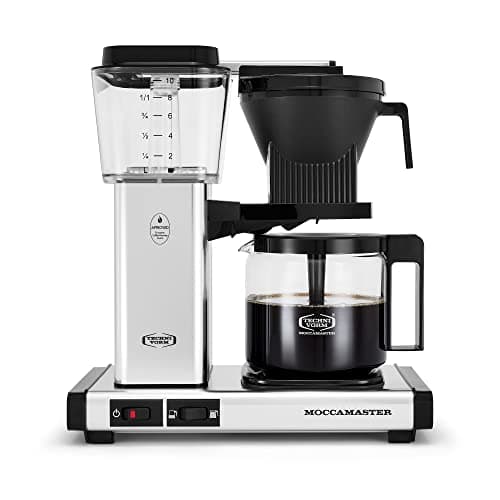
The Technivorm Moccamaster is the buy-it-once drip machine, and it is the right gift for a specific and often-overlooked recipient: the serious coffee person who drinks filter coffee by the pot and is still using a cheap drip machine. The reason it matters is not the hand-building or the Dutch manufacture, appealing as those are — it is that it brews inside the 196-205°F window the SCA recommends, which most inexpensive drip machines do not, and brew temperature is the single biggest reason cheap drip coffee tastes weak and sour. It is also genuinely repairable, with parts sold individually. Who it suits: households that make a pot, not a cup. What to check: it is a pure brewer — no programmable wake-up timer, no frills. If they want coffee waiting when they come downstairs, this is the wrong machine. Our Moccamaster review and drip machine rankings cover the field.
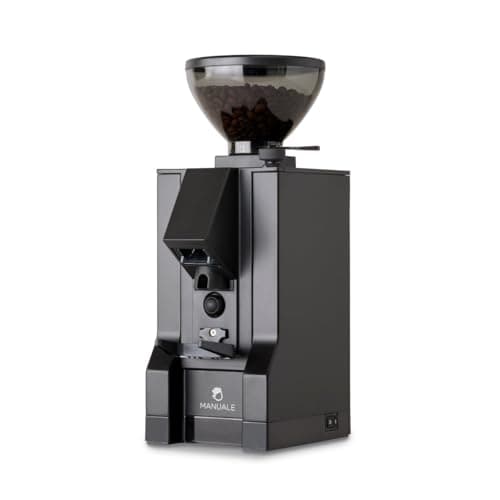
The Eureka Mignon Notte is the espresso-side answer to the Ode: the grinder upgrade for someone whose machine has outgrown the grinder feeding it. Stepless micro-adjustment is the feature that matters — espresso settings live between the clicks of a stepped grinder, and being able to land exactly between them is what makes dialing in a new bag quick rather than frustrating. It grinds on demand into the portafilter, and it is notably quiet for an espresso grinder. Who it suits: someone pulling shots daily on an entry grinder. What to check: it is an espresso specialist, so its range does not extend usefully to coarse filter grinds — a household that brews both may be better served elsewhere. Our Eureka Mignon review and best espresso grinders page compare it with the alternatives.
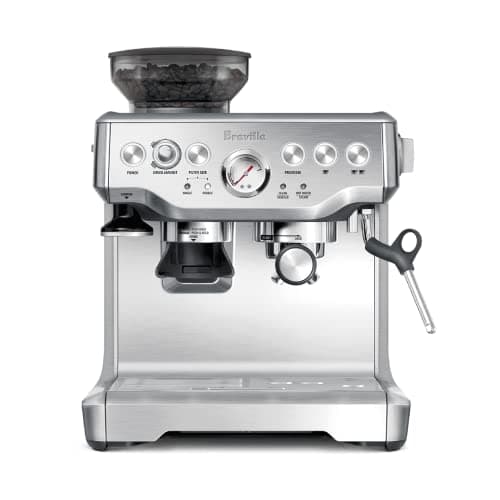
The Breville Barista Express is on this page for the household that does not own an espresso machine at all — which is more common among serious coffee people than you might think, because plenty of excellent home brewers are committed filter drinkers. It is the default first real machine for a good reason: the grinder is built in, so one box is a complete grind-to-shot setup rather than half of one, and dose, grind size and shot volume are all adjustable, so it can actually be dialed in. Who it suits: a filter household that has started talking about espresso. What to check: if they already own a good grinder, you are paying for a second one — the grinder-less Bambino Plus is the better buy. Our Barista Express review and machines with a grinder page go deeper.
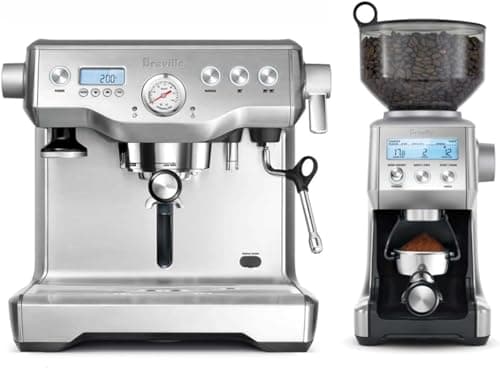
The Breville Dual Boiler is the step that defines prosumer espresso: two independent boilers, so a shot can be extracted and milk steamed at the same time with no temperature compromise, plus PID control holding the brew temperature steady shot to shot. The package we track bundles the Smart Grinder Pro, which makes it a complete grind-to-cup upgrade in one delivery. Who it suits: someone already dialing in shots daily who has hit the ceiling of a single-boiler machine — typically the person who makes several milk drinks back to back. What to check: it is large, heavy and expensive, and it is emphatically not a beginner machine. Also check whether they want the bundled grinder, since that is part of what you are paying for. Our prosumer machine rankings put it in context.
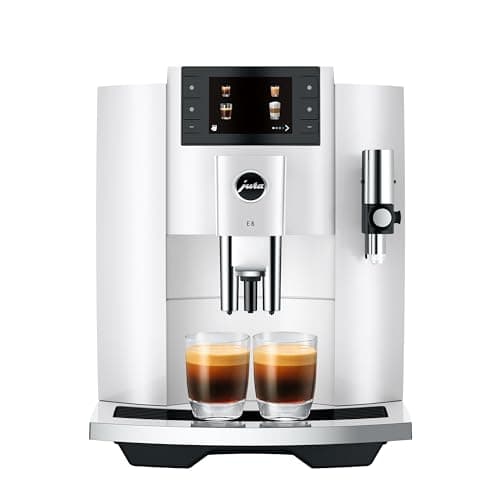
The Jura E8 is here honestly labeled: it is the object, not the value. It is a luxury bean-to-cup machine that makes seventeen-plus drinks at one touch, with an automatic fine-foam frother and automatic rinse cycles, and it is beautiful and effortless in a way the mainstream super-automatics are not quite. It is also several times the price of a machine that makes a cappuccino most people could not distinguish from it in a blind taste. Who it suits: the recipient for whom the machine is furniture as much as appliance, and the household that wants café drinks with zero involvement. What to check: if value matters at all to the person receiving it, they will do this arithmetic themselves and it will bother them. Our Jura E8 review says so plainly, and the super-automatic rankings have the machine that wins on value instead.
How to buy for someone whose setup is already good
Upgrade the grinder, not the machine
This is the single most reliable move at this price, and it holds across almost every setup. People buy the machine first, because the machine is the exciting purchase, and then economize on the grinder — which means the grinder is usually the component limiting the cup. A better grinder improves every single thing they brew, on the equipment they already own and chose. It is also additive rather than a verdict: nobody feels criticized by a nicer grinder. The one rule is to match the grinder to the method — filter grinders and espresso grinders are not interchangeable, and getting that backwards is the expensive mistake in this bracket.
Or add the method they do not have
A committed espresso household usually has no serious filter setup, and vice versa. That gap is a genuine gift opportunity, because it is a whole new thing to do rather than a better version of something they already do. A hand-built drip machine for an espresso person, or a precision kettle and a good cone for someone who only presses buttons, both land well for this reason. Our brewing methods guide is the map of what they might be missing.
The object category is real, and it is the one place price is the point
Some gear in this hobby is bought for how it feels and looks as much as for what it does, and pretending otherwise is dishonest. A machined hand grinder, a precision kettle, a hand-built drip brewer: these have real functional arguments and they are also things people display. For a recipient who has everything functional, the object is often exactly the right gift — just be clear with yourself that that is what you are buying, so you do not overpay for a marginal performance gain and call it an upgrade.
Before you buy anything machine-sized, ask
The bigger the gift, the worse the odds that a surprise is the right format. Espresso machines take permanent counter space, need a matching grinder, and are the component a serious person is most likely to have already chosen in their head. A large gift they did not want is harder to decline gracefully than a small one. If the surprise matters more than the precision, buy the grinder, the kettle, or the drip machine — all three are upgrades that fit into an existing setup without displacing anything.
The consumable option
When the gear is genuinely complete, the honest remaining answer is what gets used up: excellent beans, bought repeatedly, from named roasters with visible roast dates. It is less dramatic to unwrap than an object, and for someone with a finished setup it is frequently the thing they would actually choose. Our single-origin roundup and coffee bean rankings are the place to start, and beans for espresso if they pull shots.