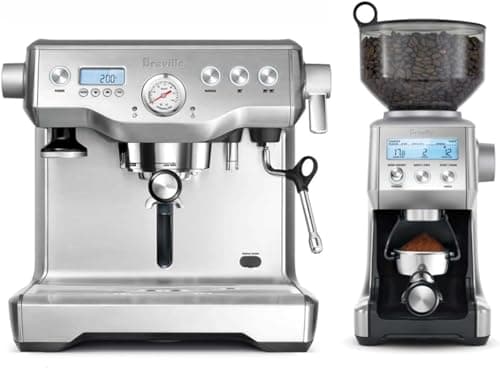
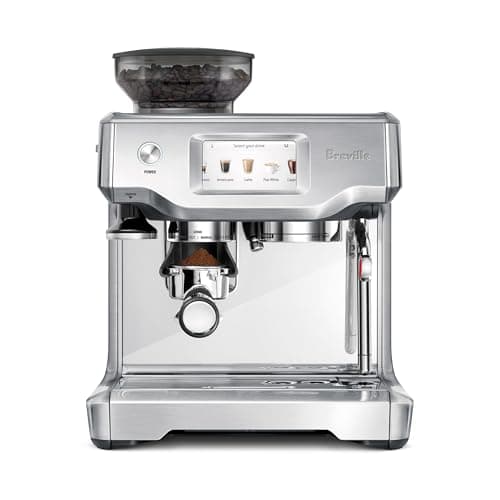
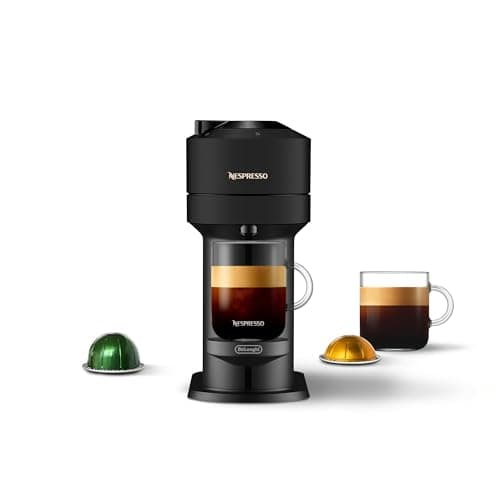
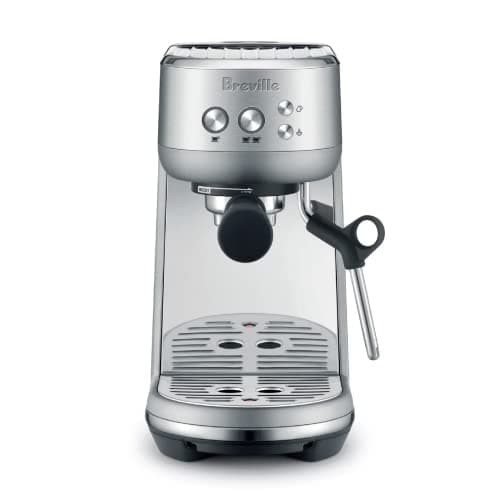
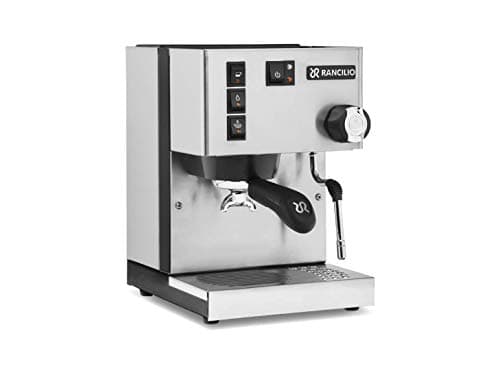
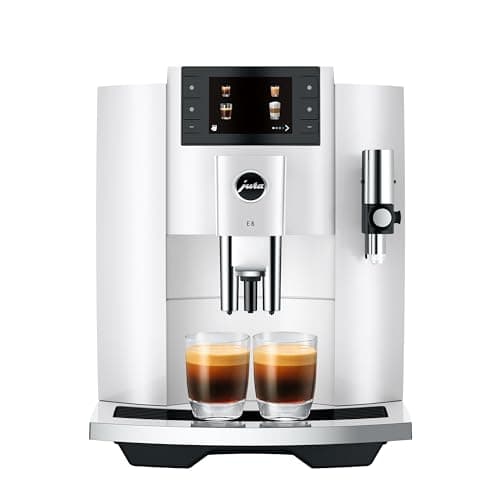
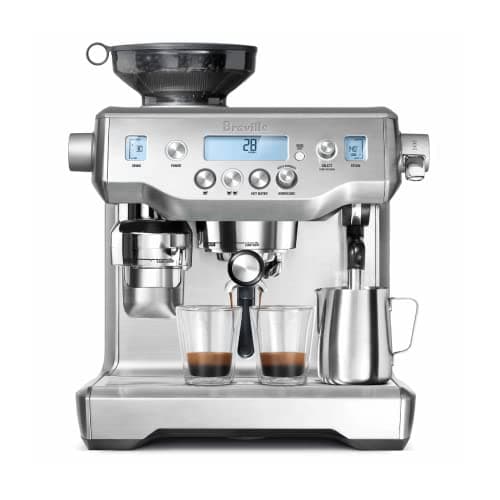
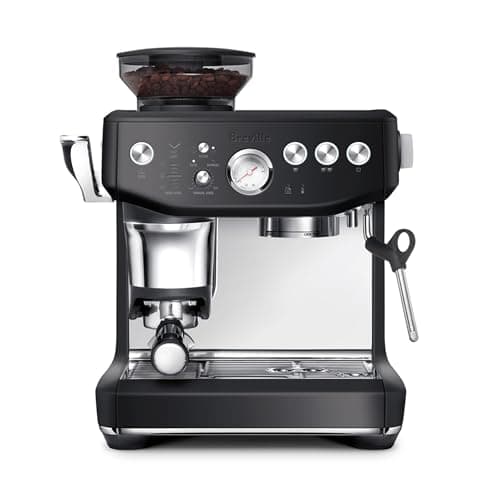
A home espresso machine is the one appliance where the marketing does the most damage. Every box shouts "15 bar" or "20 bar" of pressure as though it were a quality score, when it tells you almost nothing about what ends up in the cup. What actually decides a shot is quieter: whether the machine has a grinder, how steadily it holds temperature, and how much technique it demands of you before it makes something good.
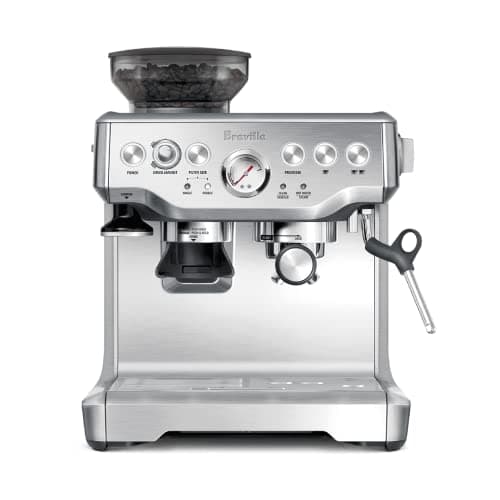
We ranked these seven on exactly those things. The Breville Barista Express takes the top spot for the same reason it always does — it builds a grinder in, so a single purchase gives a beginner the whole grind-to-shot chain that pre-ground coffee can never deliver. Below it, the order changes with what you want: the least fuss, the lowest price, or the most control to learn on.
None of these were in our hands. We compiled the manufacturers' published specifications, worked through the trade-offs each design forces, and priced everything live from Amazon. Where a machine's reputation rests on a documented quirk — the Gaggia's temperature surfing, say — we say so and link the evidence, rather than pretending we measured it ourselves.
If you have already settled on a brand, the two big lines have pages of their own: the best Breville espresso machine sorts Breville's seven overlapping models by whether a grinder is in the box, and the best De'Longhi espresso machine splits that range into the manual pump machines and the bean-to-cup automatics, which are two different products sold under one badge.
How to actually choose an espresso machine
Ignore the pressure number on the box. Here is what changes the cup, in the order it matters.
1. A grinder is not optional — decide where it lives
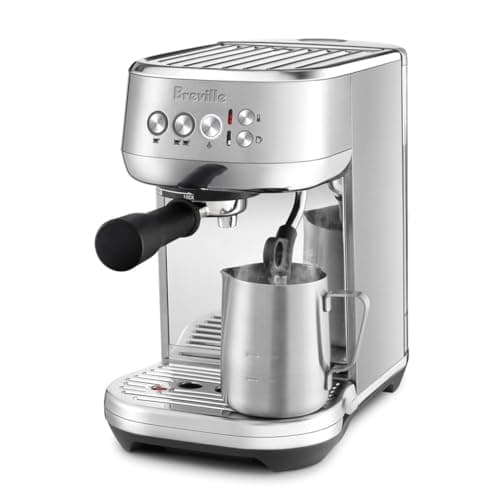
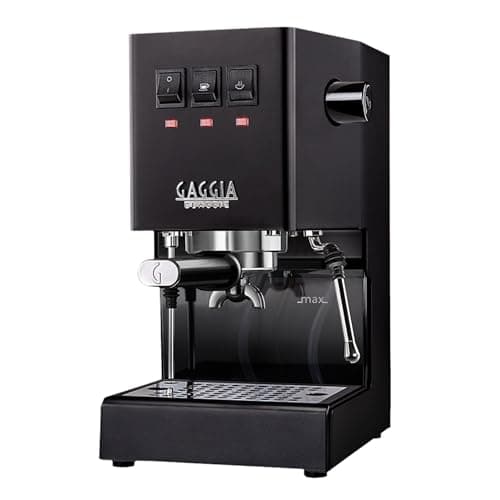
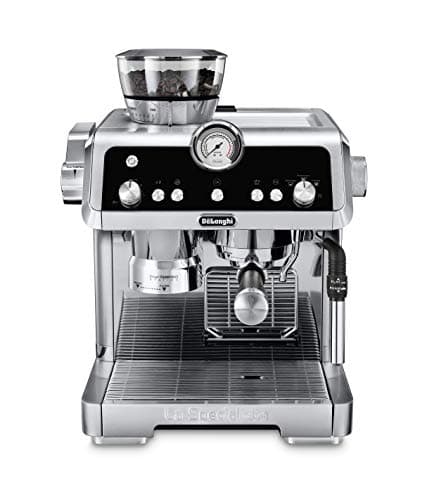
Espresso needs a fresh, fine, adjustable grind, and pre-ground coffee cannot supply it. Your real choice is whether the grinder is insidethe machine (the Barista Express, La Specialista) or a separate box you buy alongside a grinder-less machine (the Bambino Plus, Gaggia). Built-in is cheaper and simpler to start; separate is what serious setups migrate to. If you don't already own a grinder, budget for one — see our best grinders for espresso.
2. Single boiler vs dual — how long you wait
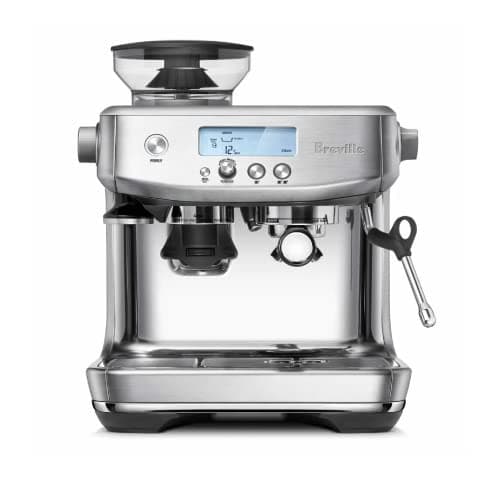
Most machines at this price have a single heater, so you pull the shot, then wait a few seconds for it to switch to steam temperature. That is completely fine for one or two drinks. Only if you're making back-to-back milk drinks for a household does a dual-heating design (La Specialista, Barista Pro's fast ThermoJet) start to earn its premium.
3. Guided vs open — how you want to learn
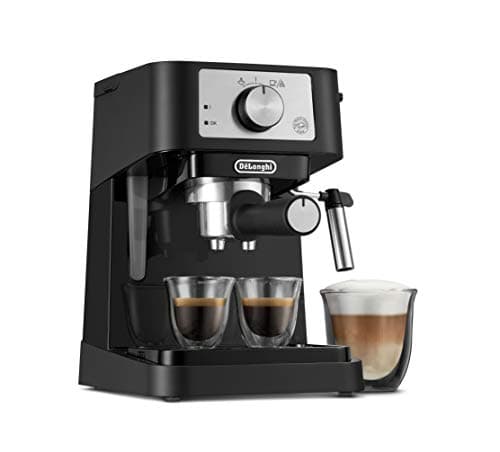
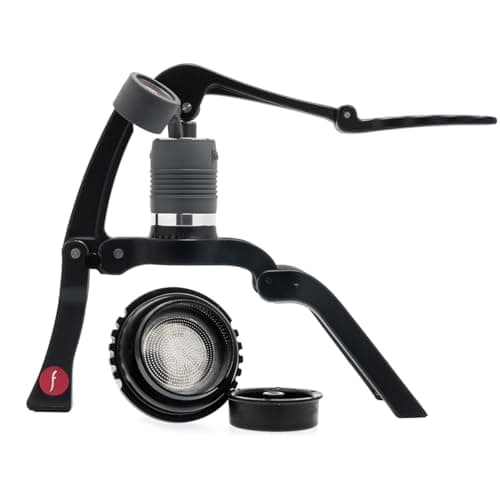
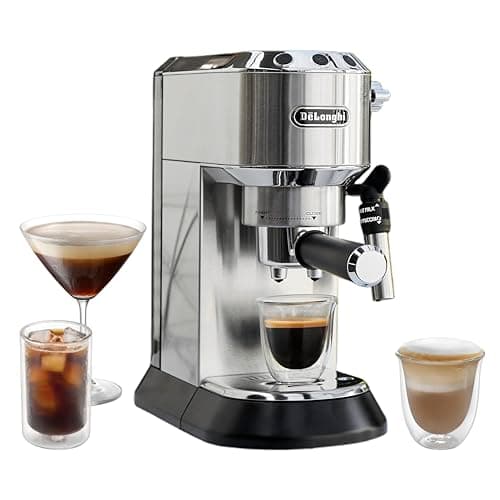
The De'Longhi machines hide the fiddly steps from you; the Gaggia and the Flair hand you every one of them. Neither is better — they suit different people. If tinkering sounds like the fun part, an open machine rewards it. If it sounds like a chore, buy the one that does more for you.
4. Budget for the whole setup, not just the machine
A machine is one line item. A real first espresso setup is machine + grinder + a tamper, scale and a couple of accessories + fresh beans for espresso. Plan the total, and if it's tight, spend on the grinder before the machine — it makes more difference.
New to all of this? Start with how to make espresso at home, then come back and pick your machine.
One newer option worth knowing about if the fiddly parts are what worry you: the Breville Barista Express Impress is a Barista Express that doses and tamps for you at a published, constant force — the same shot as the standard machine, with the two variables beginners most often get wrong taken out of their hands.
Before you commit, read the head-to-head
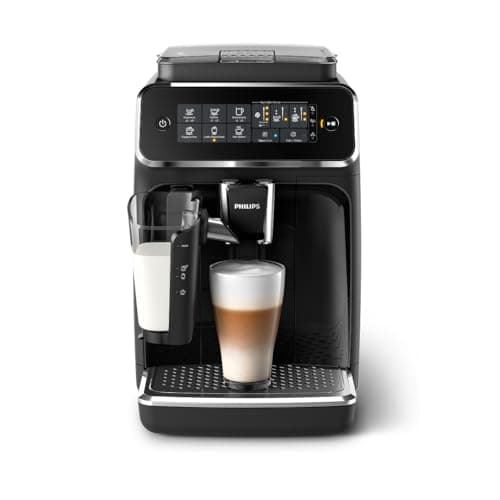
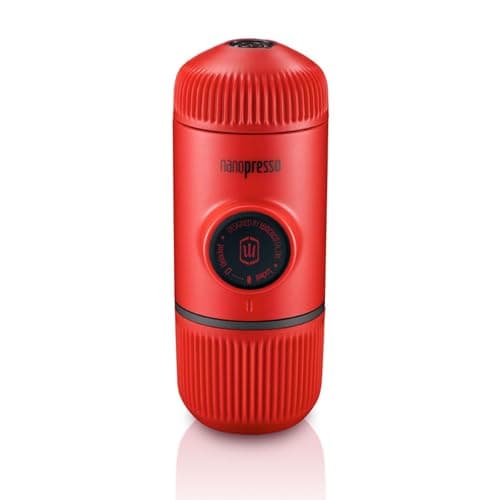
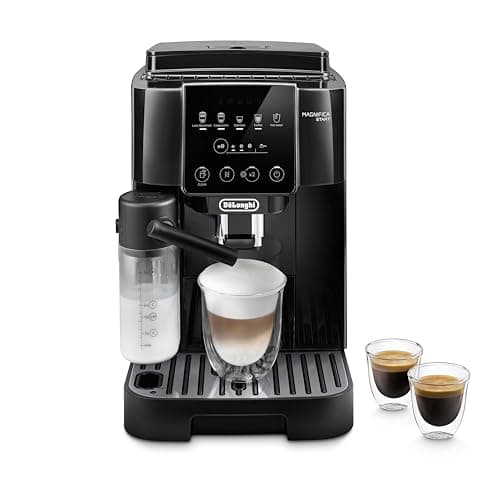
Most of the regret in this category comes from buying the right brand and the wrong model. If you are looking at Breville's Express line, our Barista Express vs Barista Express Impress comparison is the one to read — the assisted-tamp machine makes the same shot, so the premium is about consistency rather than ceiling. If you have decided on a bean-to-cup machine instead, Philips 3200 vs De'Longhi Magnifica settles the two that almost everyone ends up choosing between, and it comes down to milk. For the whole budget picture — machine, grinder, scale and beans — see how much an espresso machine really costs, and if a spec sheet has you wondering what the quiet features do, pre-infusion explained covers the one that actually changes the shot. Travelling, or want espresso with no electricity at all? The WACACO Nanopresso is a hand-powered answer that fits in a backpack.