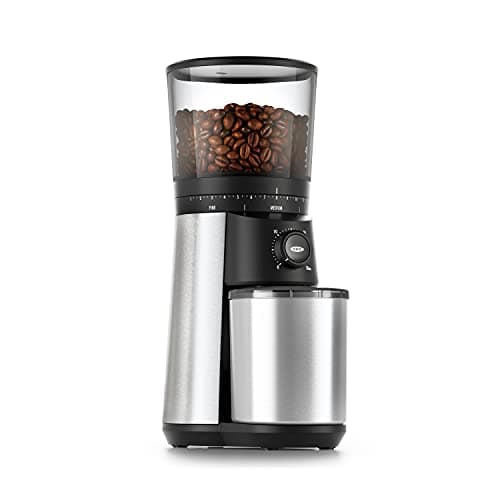
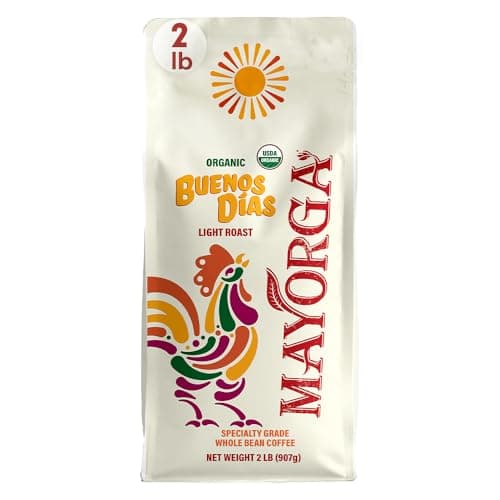
The single biggest upgrade you can make to your coffee isn't a machine or a gadget — it's buying whole beans and grinding them fresh. Coffee starts losing aroma within minutes of being ground and tastes noticeably flat within a few days; a whole bean keeps most of that flavor locked in until the moment you grind it. Every pick on this list is sold whole for exactly that reason. If you don't own a grinder yet, fix that first — it matters more than which of these bags you buy. Our best grinders cover it.
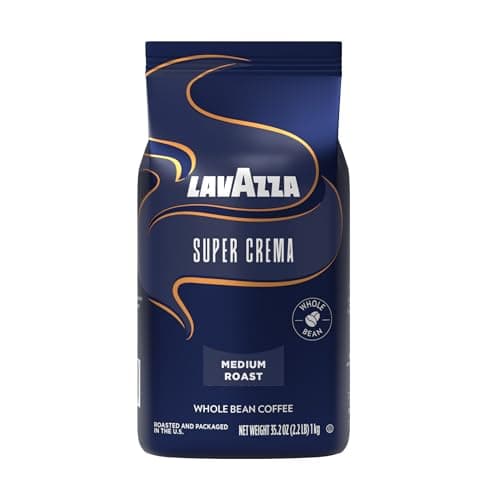
We ranked these seven on flavor, how forgiving they are to brew, how well they suit espresso, and value per pound. Lavazza Super Crema takes the top spot because it's the bag we'd hand almost anyone: the Robusta in the blend builds a thick, stable crema that flatters a rough shot, it's mild and low-acid enough to drink black, and a 2.2 lb bag is cheap by the pound and stocked nearly everywhere. It isn't the most exciting coffee here — it's the most useful one to start with.
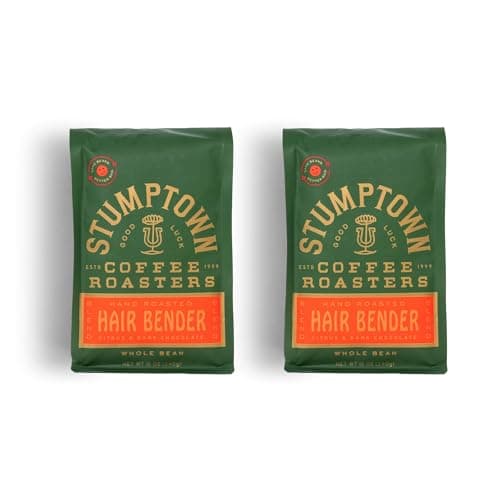
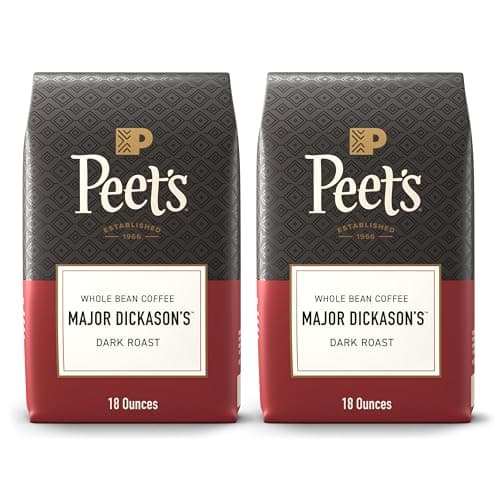
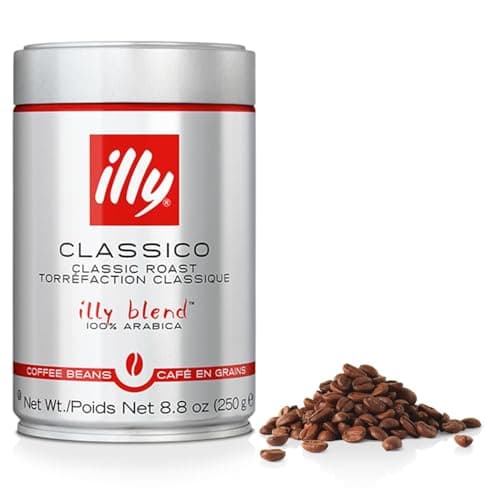
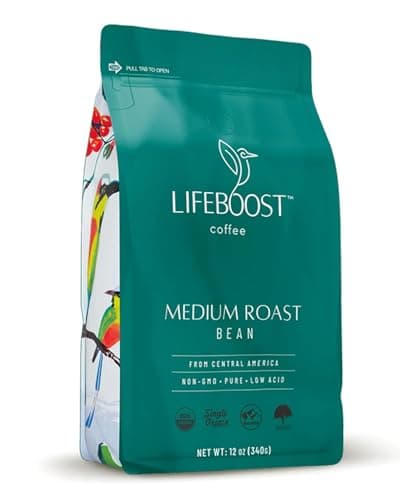
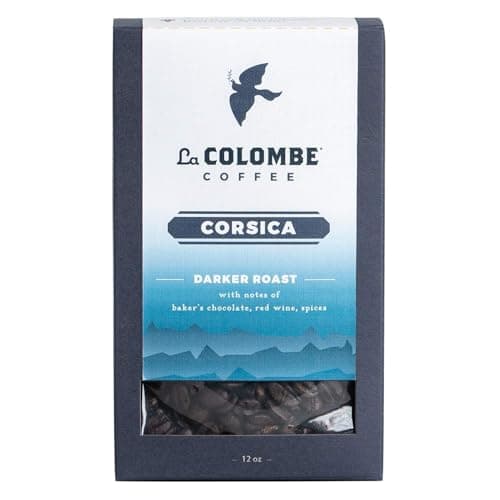
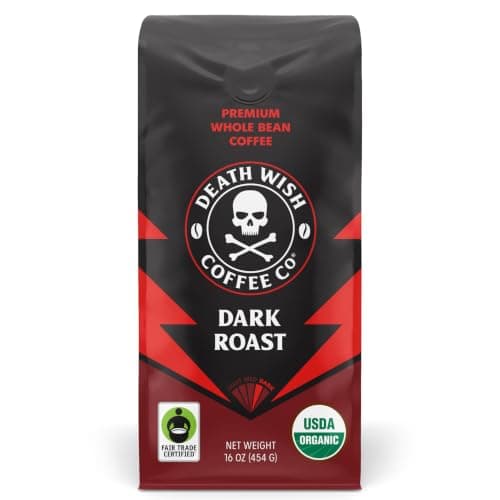
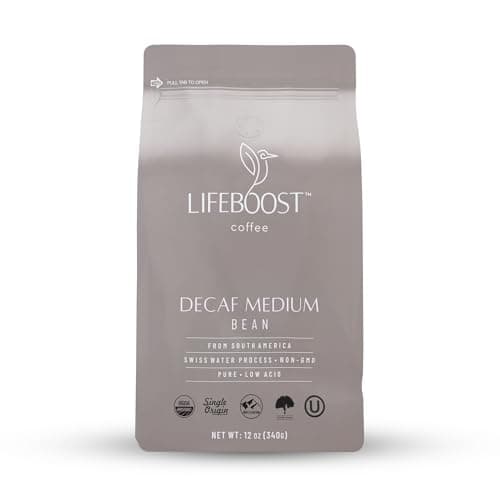
Below it, the order tracks what you actually want. Stumptown Hair Bender is the step up to real specialty complexity, with citrus brightness over dark chocolate. Peet's Major Dickason's is the dark-roast benchmark for anyone who finds lighter coffee thin or sour. Illy Classico is the smooth, consistent all-Arabica option. Lifeboost is the low-acid pick if coffee upsets your stomach. La Colombe Corsica is dark roast done with specialty polish. Death Wish sits last on purpose — it's built for caffeine first and flavor second, a genuine kick you pay a premium for.
We haven't roasted or cupped these in a lab — we don't have one. The tasting notes here are the ones each roaster publishes, and where a bean's reputation rests on something specific — Death Wish's caffeine load, Lifeboost's third-party testing — we point to it rather than dress it up. Prices are pulled live, so every value call reflects what a bag actually costs today, not a number typed once and left to go stale.
Not sure where to land? Buy Super Crema if you're new or you make milk drinks; Stumptown if you want to taste what specialty coffee is about; and a dark roast like Peet's or Corsica if you already know you like bold and roasty. Whichever you pick, grind it right before you brew and buy a bag you'll finish inside a month — freshness beats pedigree, and a fresh grocery blend will out-taste a stale specialty bag every time.
How to actually choose coffee beans
Beans are the cheapest, highest-impact decision in coffee — a great bag costs a few dollars more than a mediocre one and changes every single cup. Here's what actually matters, in order.
1. Buy whole bean, not pre-ground
Pre-ground coffee is convenient and that is the only thing it has going for it. Ground coffee exposes far more surface area to air, so it stales in days; whole beans hold their flavor for weeks. A cheap burr grinder pays for itself in flavor almost immediately. If you change only one thing about how you make coffee, change this.
2. Pick a roast level
Light roasts keep more of the bean's origin character — brighter, more acidic, often fruity or floral. Dark roasts (Peet's, Corsica, Death Wish) taste bolder and roastier with less acidity, and the roast flavor dominates the bean. Medium roasts (Super Crema, Stumptown, Illy, Lifeboost) sit in the middle and are the safest all-rounders. None is "better" — it's taste. Our light vs dark roast guide goes deeper.
Once you know which end you want, each roast level has its own shortlist: the best light roast coffee (and why "light roast" is not a measured standard), the best medium roasts, and the best dark roasts.
3. Arabica vs Robusta
Arabica is the sweeter, more complex, more expensive species — most specialty coffee is 100% Arabica. Robusta is harsher and higher in caffeine, but it also builds thicker crema, which is why espresso blends like Super Crema add some. For black filter coffee, favor Arabica; for a forgiving, crema-heavy espresso, a little Robusta genuinely helps.
4. Check the roast date
The date that matters is the roast date, not a "best by" date years out. Coffee is at its best from about five days to a month after roasting. Bags that print an actual roast date (the specialty roasters here do) are telling you something; ones that print only an expiry are usually hiding age. Buy what you'll finish in a month and store it in an airtight container away from light and heat — not in the freezer door.
5. Match the bean to how you brew
Espresso rewards medium to dark roasts and, for beginners, a little Robusta for crema — see our best beans for espresso. Pour-over shows off bright light and medium roasts. French press and dark roasts are a classic, full-bodied match. When in doubt, a medium roast works in everything.
Buying for milk, and two more pages worth your time
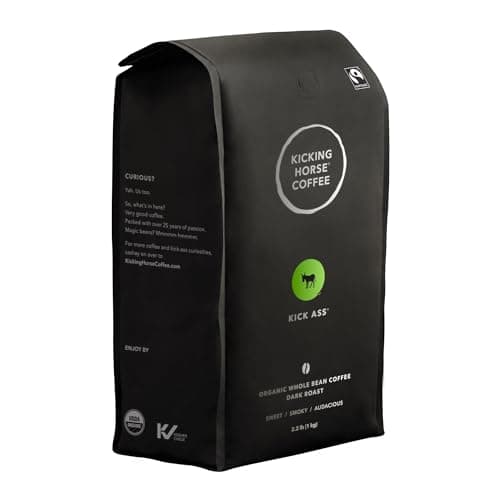
If most of your coffee ends up in a latte or a cappuccino, the criteria change completely, because milk mutes acidity and smothers delicate aromatics — our best coffee beans for lattes ranks on body and roast depth instead, and explains why the expensive bright bag is usually the wrong bag for a milk drink. If you have ever wondered whether "espresso beans" are a different thing from coffee beans, that question has a short answer and a useful long one. And for a certified-organic dark roast that has been a shelf staple for years, see our Kicking Horse review.