Under $50 is the best tier in coffee gifting, and that is not a consolation. Above it you are mostly buying nicer versions of things — a heavier kettle, a prettier scale. Below it, this is where whole brewing methods live. Every pick on this page is a complete, self-contained tool that changes how someone makes coffee, and several of them are the definitive object in their category rather than the budget alternative to it.
A note on the ceiling, because it is the whole premise of the page: the prices below are fetched live from Amazon and stamped with the date, and they move. Each pick was chosen because it normally sits comfortably under fifty dollars, not because it happened to be there at the moment this was written. The number on each card is the one that counts — if something has drifted over the line, the card will tell you before you click, which is the point of showing live prices at all. If the budget stretches further, our under $150 page covers the next tier, and the full coffee gift guide spans both.
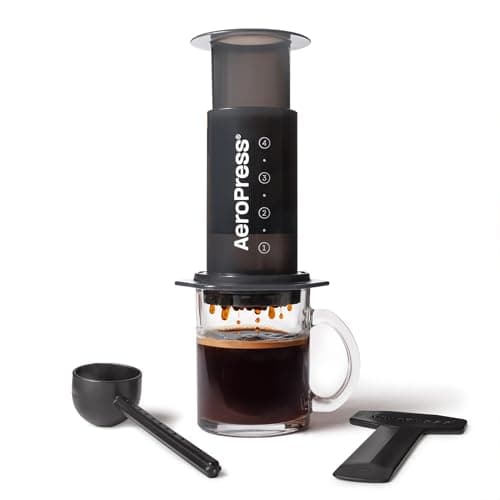
The AeroPress Original tops this list the same way it tops the main guide: it is the hardest gift here to get wrong. It brews a clean, low-bitterness cup in about two minutes, the puck pops straight into the bin, and the plastic body survives drops that would end a glass carafe. Crucially, it does not conflict with anything — whatever is on their counter, this becomes the travel brewer, the office brewer, or the weekend one. Who it suits: essentially anyone who drinks coffee. What to check: it makes one or two cups at a time, so if they brew a pot for the household every morning, the French press further down is the better fit. The AeroPress comparison covers the Go and XL if travel or volume matters.
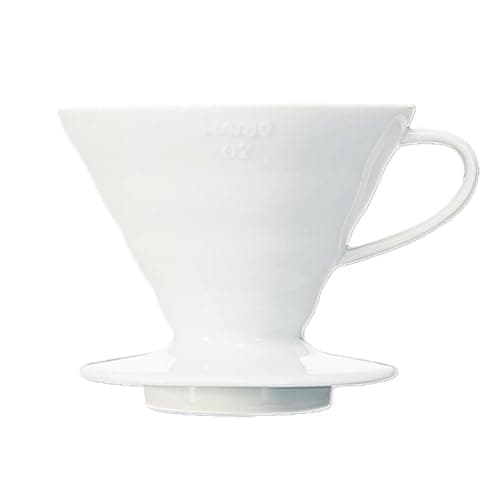
The Hario V60 is the cheapest way to give someone a real hobby. It is the world's default pour-over cone: the 60-degree shape, the spiral ribs and the single large hole hand the brewer total control over flow, which is why it is the enthusiast standard. It costs remarkably little and rewards attention indefinitely. Who it suits: someone who has started caring how their coffee tastes and enjoys a process — the person who would rather spend three minutes making something than press a button. What to check, and this one matters: the cone is not the whole gift. It needs V60 paper filters, and it is much better with a scale and a gooseneck kettle. Add filters at minimum, or the box is unusable on the morning it is opened. How to make pour-over coffee is a good thing to send alongside it.
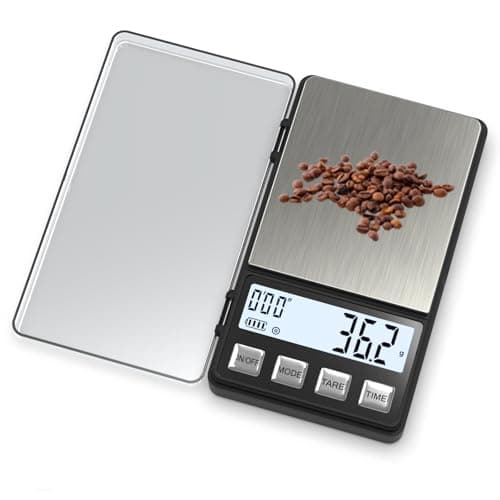
A 0.1g scale with a timer is the most-used gift per dollar in the whole category, and the least likely to be bought by the recipient. Weighing the coffee and the water instead of eyeballing them is what turns a cup that was good once into a cup that is good every day, and the timer is what makes espresso and pour-over repeatable. The Weightman does both jobs at pocket-money prices and is thin enough to sit under a portafilter. Who it suits: anyone at all, including people who already own a kitchen scale — kitchen scales usually read in whole grams, which is too coarse for a recipe. What to check: nothing. It has no compatibility requirements of any kind, which is exactly why it is such a safe add-on to a larger gift.
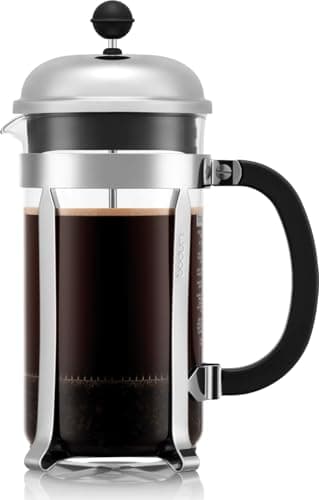
The Bodum Chambord is the French press everybody pictures, and it is still the one to buy. Full immersion through a metal filter gives the heavy, oily body that paper strips out, there are no filters to buy ever again, and replacement glass is cheap and available everywhere — which matters, because the carafe is glass and glass eventually loses an argument with a tile floor. Who it suits: someone who wants coffee for two or more without standing over it, and who likes a full-bodied cup. What to check: the metal mesh lets fine sediment through, so if your recipient is fussy about grit in the last sip, point them at the pour-over instead. How to use a French press covers the grind-size fix that removes most of the sediment complaints.
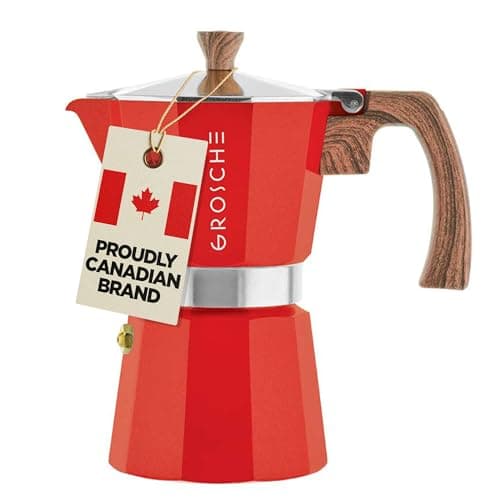
A moka pot is the most charming gift here. It is a stovetop icon, it makes a strong, concentrated coffee that is the backbone of a good milk drink, and it looks like something rather than being another appliance. The GROSCHE Milano brews the same way as the original Bialetti and adds a stay-cool handle and a choice of colors, which makes it the more giftable version of a design classic. Who it suits: the person who loves espresso at a café but has no interest in owning a machine, and anyone who appreciates an object. What to check: aluminum moka pots do not work on induction hobs. If their kitchen is induction, you need the steel version — our moka pot guide covers that, and moka pot vs espresso machine sets expectations honestly about what comes out of it.
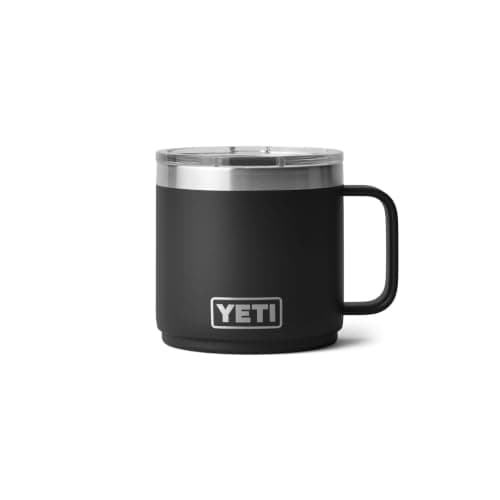
The YETI Rambler mug is the exception to the no-mugs rule. The reason mugs are a bad gift is that everyone already has a favorite; an insulated travel mug is a different tool, and the job it does — keeping coffee hot for hours in a car, on a site, or on a long walk — is one most people have not solved. The 18/8 steel build is genuinely buy-it-once, and it is dishwasher safe, which a surprising number of insulated tumblers are not. Who it suits: commuters, outdoors people, anyone whose coffee currently goes cold in transit. What to check: the MagSlider lid is splash-resistant rather than sealed, so it is not the right pick for someone who throws a mug into a backpack. Our travel mug roundup ranks the truly leak-proof options.
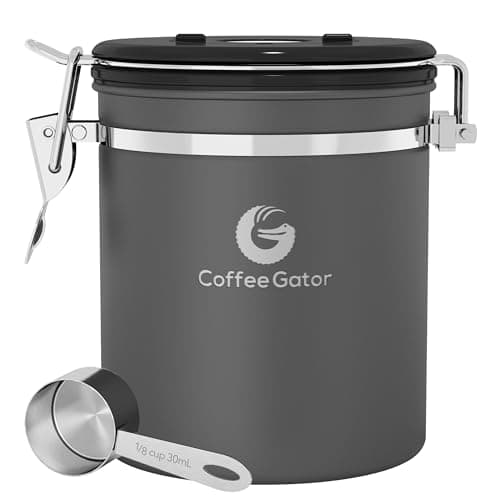
A proper storage canister is the "they have everything" answer at this price. Almost nobody stores beans correctly — the bag gets rolled and clipped — and oxygen is what makes good coffee taste flat within a couple of weeks. The Coffee Gator has a one-way valve that lets fresh-roast carbon dioxide out without letting oxygen in, plus a dial on the lid that tracks when the bag was opened, which is more useful than it sounds. Who it suits: anyone who buys whole bean coffee, especially from a specialty roaster. What to check: match the size to their habit — a canister sized for two pounds leaves a lot of air around a twelve-ounce bag. Our storage roundup covers sizes, and how to store coffee beans explains why the freezer is not the answer.
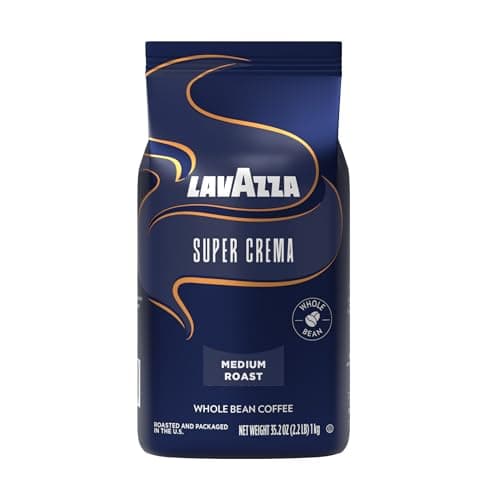
A bag of beans belongs on this list only with a caveat, which is why it is last. Beans are the classic gift-shop coffee purchase and the classic mistake: roast preference is as personal as spice tolerance, and seasonal gift packaging is often months past roast. Lavazza Super Crema is the exception that works as a gift because it is deliberately forgiving — a medium espresso roast with robusta in the blend for a thick, stable crema, mild and low in harshness, and sold in a large bag that is good value by the pound. Who it suits: someone with an espresso machine, or a new coffee drinker who has not formed opinions yet. What to check: buy it as an accompaniment to a tool, not as the gift itself, and buy whole bean. If you want to give specialty coffee instead, our beans for beginners page explains which roasts are hardest to get wrong.
How to pick from this tier
Start with what they currently drink
Under $50 you are choosing between brewing methods, so the question is which one fits their life rather than which is objectively best. Someone who wants coffee for a household wants the French press. Someone who enjoys a ritual wants the pour-over cone. Someone who travels, camps or commutes wants the AeroPress or the insulated mug. Someone who loves café espresso but will never own a machine wants the moka pot. Our brewing methods guide maps the whole field in plain English if you want to check your read.
Complete the gift
The most common way a sub-$50 coffee gift fails is that it arrives incomplete. A V60 needs filters. A French press needs a coarser grind than pre-ground supermarket coffee, so a bag of whole bean plus a grinder is the honest version of that gift. A moka pot needs a fine-but-not-espresso grind. None of these are expensive additions, and adding one turns a gift that sits in a box into one that gets used on Christmas morning.
Two under-$50 gifts beat one $100 gift, usually
This tier pairs unusually well. A brewer plus a scale, a French press plus a bag of beans, a canister plus a grinder — the combination reads as considered in a way a single mid-priced object often does not, and it removes the "now I need to buy the other half" problem entirely. If you are choosing between one $90 item and two $45 items, the pair is usually the better gift.
What not to buy at this price
Boxed "barista starter kits" are the trap of this tier: five flimsy tools for the price of one good one, usually including a tamper in a diameter that will not fit the recipient's machine. Cheap blade grinders are the other one — a blade grinder chops beans into dust and boulders at once, and it makes coffee worse than buying pre-ground, which is why we never recommend one (burr vs blade has the mechanism). If a grinder is the gift, it needs to be a burr grinder, and that means stepping up to the next tier or buying the manual one.