Cold brew is the least fussy good coffee there is: coarse grounds steep in cold water for many hours — usually 12 to 24 in the fridge — and time does all the work that heat does in every other method. Because you never apply heat, you extract far less of the acid and bitterness that hot water pulls out, so the result is smooth, sweet, and low-acid, and it keeps in the fridge for days. The trade is patience: this is a make-it-tonight, drink-it-tomorrow brewer, not a here-and-now one.
The first real decision is concentrate versus ready-to-drink. A concentrate maker brews a strong batch you dilute with water, milk, or ice to taste, so one brew stretches across a week and stores compactly — the efficient choice for a heavy habit. A ready-to-drink maker brews coffee at normal strength that you pour straight over ice, which is simpler but runs out faster. Neither is better; it's a question of how much you drink and how much fridge space you can spare.
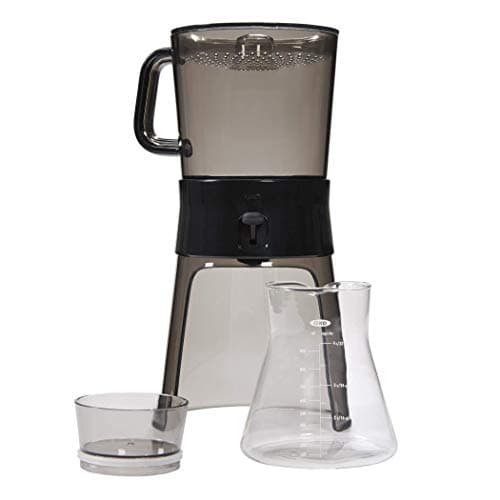
The OXO Good Grips Cold Brew Coffee Makertops the list because it gets the one thing right that most makers ignore: even saturation. Its "Rainmaker" lid wets the whole bed of grounds evenly instead of leaving dry pockets, which is the single biggest factor in a clean, non-sour cold brew. It makes concentrate, and a stopcock releases the finished brew hands-free into the included glass carafe — no wrestling a soggy filter bag. The cost is more parts to store and rinse, and a higher price than a plain pitcher.
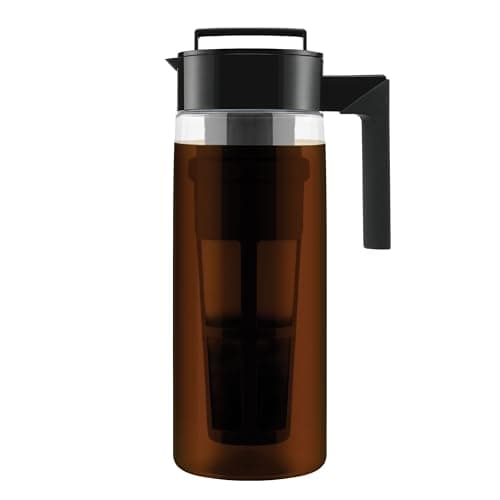
For value, the Takeya Deluxe Cold Brew Coffee Maker is the pick: you brew, cap, and pour ready-to-drink coffee from the same airtight, leakproof bottle that fits a fridge door — no decanting, nothing extra to clean. It costs a fraction of the fancier makers and does the core job well; the trade is that it makes ready-to-drink rather than concentrate, so a batch empties faster, and the body is Tritan plastic rather than glass.
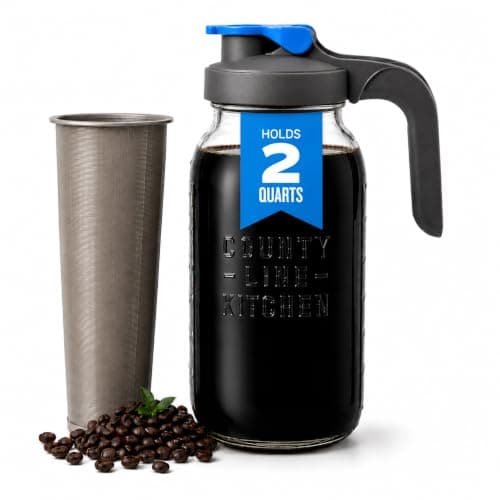
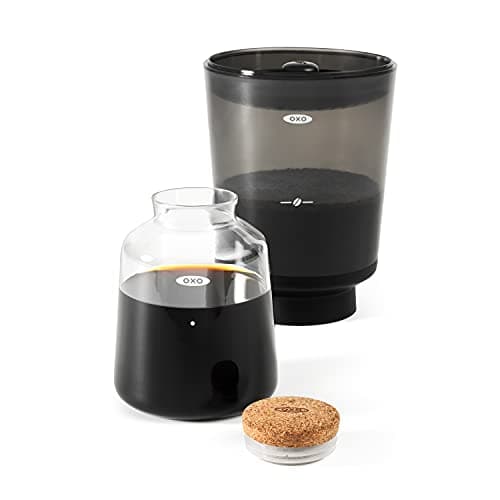
The other two solve for space at opposite ends. The County Line Kitchen Cold Brew Maker is a big 64oz glass mason jar for households that drink cold brew all summer and would rather not use plastic — half a gallon in one brew, at the cost of a large, heavy, breakable jar and no stopcock. The OXO Brew Compact Cold Brew Coffee Makergoes the other way: OXO's even-saturation concentrate in a footprint that actually fits a packed fridge or a tiny counter, ideal for solo drinkers and small kitchens.
What to skip? Don't overspend if you drink cold brew only occasionally — a simple pitcher does the basic job, and the extra parts of a deluxe maker are just more to wash. And don't buy the big glass jar if your fridge is tight; a compact maker wastes far less space for a casual habit. The recipe matters more than the vessel: get the grind and ratio right and any of these makes excellent coffee.
How to choose a cold brew maker — and brew a clean batch
The maker matters less than the grind, the ratio, and the saturation. Get those right and the differences between these come down to convenience and fridge space.
1. Concentrate or ready-to-drink
Concentrate makers (the two OXOs) brew a strong batch you dilute to taste, which is more economical and stores in less space — the right call for a daily habit. Ready-to-drink makers (the Takeya, the County Line jar) brew at normal strength you pour straight over ice, which is simpler but empties faster. Decide how much you drink before you decide anything else, because it changes which maker actually suits you.
2. Even saturation is what keeps it from tasting sour
Cold water is slow and lazy — if part of the grounds stays dry, that coffee never brews and the batch comes out weak and unbalanced. A maker that wets the whole bed evenly (OXO's "Rainmaker" lid is built for exactly this) gives you a cleaner, sweeter result. If your maker is a plain jar or pitcher, do the job by hand: add water in stages and give the grounds a good stir so everything is wet before it goes in the fridge.
3. Fridge footprint and how you pour
This is the practical decision people forget until the maker is on the shelf. A big 64oz jar brews a lot but eats a whole shelf and is heavy to lift and pour. A door-fit pitcher like the Takeya slots into wasted space. A stopcock (on the full-size OXO) lets you draw off coffee without lifting the whole vessel, which matters more the bigger and heavier it gets. Measure your fridge before you buy the big one.
4. Grind coarse, and give it time
Cold brew wants a coarse grind — coarser than drip, similar to a French press — so the long steep doesn't over-extract into bitterness, and so the filter isn't clogged by fines. A consistent burr grindermakes that coarse, even grind far better than a blade grinder's dust-and-boulders mix. Then steep 12 to 24 hours in the fridge; longer and stronger is easy to fix with dilution, so err on the patient side. Our cold brew guide walks through a starting ratio, and the best beans for cold brew get you the rest of the way.