Skip to content
Bean & Burr

HUB 01 · Espresso Machines

The Best Super-Automatic (Bean-to-Cup) Espresso Machines

Grind, brew, and froth at one touch. The bean-to-cup machines worth owning — ranked by how little convenience actually costs you in the cup.

By Stephen V.Updated How we research
#ad

We earn a commission when you buy through our Amazon links, at no extra cost to you. It never affects our rankings, and we say so when the cheaper product is the better buy. How this works.

A super-automatic — a "bean-to-cup" machine — does the whole job at one button: it grinds the beans, tamps and brews the shot, and froths the milk, then dumps the puck and rinses itself. There is no portafilter to lock in, no tamp to judge, no wand to learn. For a lot of people that is exactly the point, and this guide is for them. But it comes with one honest trade you should understand before spending the money.

Convenience is bought with control. Because the machine hides every variable, you cannot dial a shot in, you cannot pour latte art, and you accept the milk texture the machine makes. The cup is good and endlessly repeatable — it is not the ceiling a practiced hand hits on a semi-automatic. So we ranked these by how little that trade costs: how good the shot and the milk are, how simple the machine is to live with, and — because bean-to-cup machines get expensive fast — how much you actually get for the money.

The Philips 3200 LatteGowins for most people: its automatic milk carafe froths and then rinses in two clicks, the ceramic grinder is a genuine feature, and it sits at a sane price. Below it, the ranking splits by what you want — De'Longhi's bulletproof simplicity, the cheapest real bean-to-cup entry, a compact with a real steam wand, and, at the very end, the luxury Jura E8 with the caveat that decides this whole category: it makes a cappuccino most people cannot tell from the $570 machine. None of these were in our hands; we compiled the published specs, priced them live, and say plainly where each one gives ground.

The short answer

Quick picks

#ProductBest forScorePrice
01
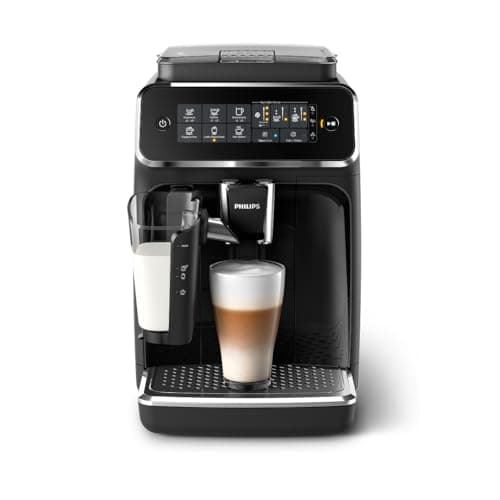
Philips Philips 3200 Series LatteGo (EP3241)
Philips 3200 Series LatteGo (EP3241)

The bean-to-cup all-rounder most people should buy — auto milk, ceramic burrs, one touch.

The best all-round super-automatic
8.4
$569.00Amazon
02
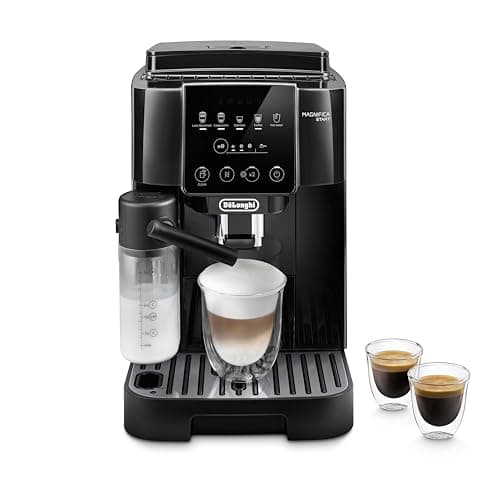
De'Longhi De'Longhi Magnifica Start (ECAM22020)
De'Longhi Magnifica Start (ECAM22020)

The simplest, most reliable way into bean-to-cup, from the brand that owns the category.

Simple, dependable one-touch coffee
8.0
$599.95Amazon
03
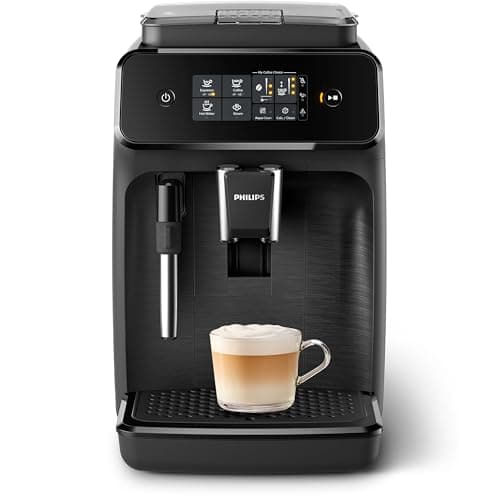
Philips Philips 1200 Series (EP1220)
Philips 1200 Series (EP1220)

The cheapest real bean-to-cup machine worth owning. Fresh-ground espresso at one button.

The budget bean-to-cup entry
7.4
$379.00Amazon
04
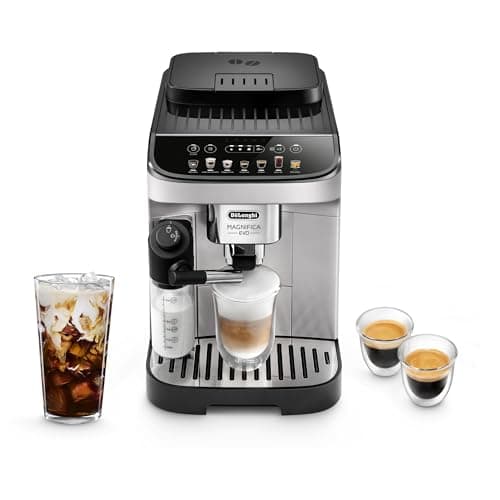
De'Longhi De'Longhi Magnifica Evo
De'Longhi Magnifica Evo

The updated Magnifica — bigger drink menu, cleaner interface — and a strong middle pick.

A refined mid-range De'Longhi
7.8
$739.95Amazon
05
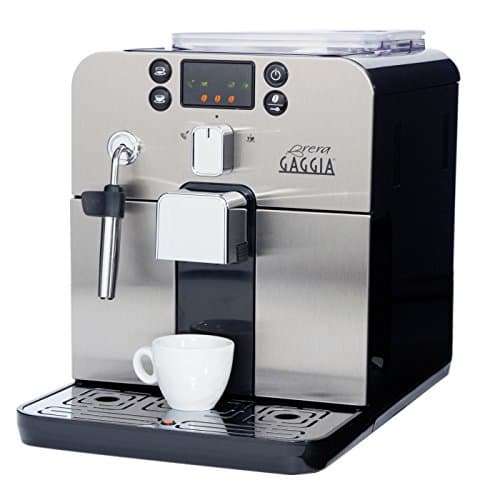
Gaggia Gaggia Brera Super-Automatic
Gaggia Brera Super-Automatic

A compact super-automatic with a real steam wand — bean-to-cup convenience, hands-on milk.

Compact bean-to-cup with milk control
7.4
$504.91Amazon
06
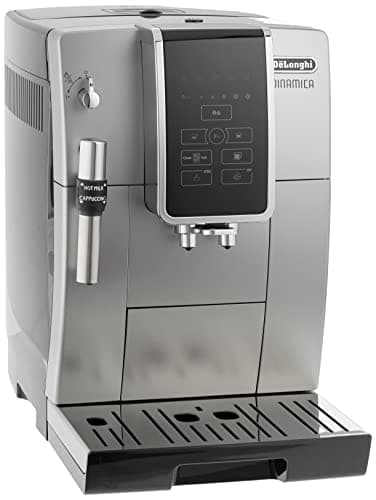
De'Longhi De'Longhi Dinamica (ECAM35025)
De'Longhi Dinamica (ECAM35025)

The feature step-up: more presets, a bigger tank, and De'Longhi's long-coffee and iced routines.

More drinks and a bigger tank
7.4
$799.00Amazon
07
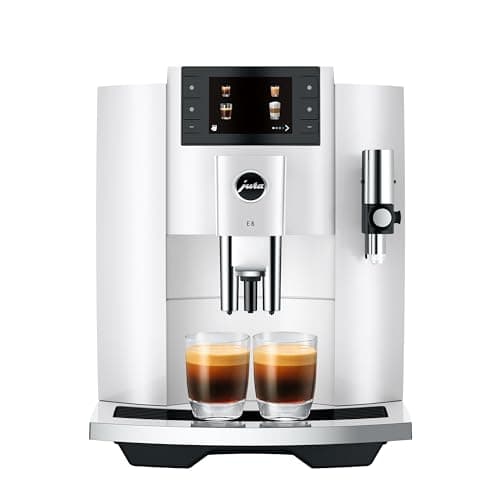
Jura Jura E8 Automatic Espresso Machine
Jura E8 Automatic Espresso Machine

The luxury bean-to-cup benchmark — beautiful, effortless, and priced like a used car.

Money-no-object, effortless café drinks
8.4
$2,799.00Amazon

#ad · Live prices from the Amazon Product API, as of Jul 28, 2026. Where we have no verified live price, we show none — we would rather leave a gap than print a number that has rotted.

In detail

The picks, in full

01
Philips Philips 3200 Series LatteGo (EP3241)

The best all-round super-automatic

Philips 3200 Series LatteGo (EP3241)

Bean-to-cupLatteGo auto milk100% ceramic grinderTouch display, 5 drinks
8.4/10

The bean-to-cup all-rounder most people should buy — auto milk, ceramic burrs, one touch.

Shot quality
7
Steam & milk
8
Ease of use
10
Build quality
8
Value
9

Pros

  • The LatteGo carafe froths milk and then rinses in two clicks with no wand technique — the feature that makes a super-automatic worth it
  • Philips rates the ceramic burrs to run cooler and last longer than steel, and there are 12 grind settings
  • The AquaClean filter cuts how often you descale, and the touch display gives five drinks at a button

Cons

  • It is a convenience machine, not a barista tool: no latte-art control and no dialing in the shot
  • The LatteGo makes light, airy foam rather than the tight microfoam a steam wand can pull

Don't buy this if…

you want to learn espresso and pour latte art. A super-automatic hides every variable by design — if the craft is the point, a semi-automatic like the Barista Express is the machine, not this.

$569.00View on Amazon

Price as of Jul 28, 2026. Prices change — Amazon's is the one that counts.

#ad · we may earn a commission from this link to Philips 3200 Series LatteGo (EP3241)

02
De'Longhi De'Longhi Magnifica Start (ECAM22020)

Simple, dependable one-touch coffee

De'Longhi Magnifica Start (ECAM22020)

Bean-to-cupManual milk frother wandSteel conical burrsCompact width
8.0/10

The simplest, most reliable way into bean-to-cup, from the brand that owns the category.

Shot quality
7
Steam & milk
7
Ease of use
9
Build quality
8
Value
9

Pros

  • De'Longhi's automatic platform is the most widely owned and serviced in the US, so parts and help are everywhere
  • Genuinely simple controls — it makes espresso and coffee without a menu to learn
  • The steam wand froths milk with a little technique, so you keep some control, and the body is narrower than most bean-to-cup machines

Cons

  • The frother is manual, so you steam milk yourself — a plus for control, a minus if you wanted pure hands-off
  • Fewer preset drinks and no touch screen next to the Philips

Don't buy this if…

you want milk drinks made entirely hands-off. The Start's wand is manual — for one-touch cappuccino, the Philips 3200 LatteGo is the fit.

$599.95View on Amazon

$749.9520% off

Price as of Jul 28, 2026. Prices change — Amazon's is the one that counts.

#ad · we may earn a commission from this link to De'Longhi Magnifica Start (ECAM22020)

03
Philips Philips 1200 Series (EP1220)

The budget bean-to-cup entry

Philips 1200 Series (EP1220)

Bean-to-cupClassic milk frother100% ceramic grinder2 drink presets
7.4/10

The cheapest real bean-to-cup machine worth owning. Fresh-ground espresso at one button.

Shot quality
6
Steam & milk
6
Ease of use
9
Build quality
7
Value
9

Pros

  • The lowest price for a genuine grind-brew-froth automatic, so it undercuts every other machine here
  • Same 100% ceramic grinder as the pricier Philips models
  • Froths milk through a simple classic wand for cappuccinos

Cons

  • Only two presets and no touch screen — it makes espresso and coffee, not a menu of drinks
  • The classic frother aerates foam rather than making microfoam, and there's no iced mode

Don't buy this if…

you want iced drinks, several milk drinks at a touch, or a display. This is the stripped-back entry — the 3200 LatteGo adds all of that.

$379.00View on Amazon

$549.9931% off

Price as of Jul 28, 2026. Prices change — Amazon's is the one that counts.

#ad · we may earn a commission from this link to Philips 1200 Series (EP1220)

04
De'Longhi De'Longhi Magnifica Evo

A refined mid-range De'Longhi

De'Longhi Magnifica Evo

Bean-to-cupMilk frother wandSteel burrs, 13 settingsMultiple one-touch drinks
7.8/10

The updated Magnifica — bigger drink menu, cleaner interface — and a strong middle pick.

Shot quality
7
Steam & milk
7
Ease of use
9
Build quality
8
Value
8

Pros

  • More drink options and a cleaner soft-touch interface than the Start
  • The well-proven Magnifica brewing unit, which is the reason De'Longhi's automatics are so reliable
  • The frother steams milk for cappuccinos, and it comes in manual and automatic-frother configurations

Cons

  • Milk frothing on the base configuration is manual, so hands-on (and latte-art-free) milk
  • Costs more than the Start for mostly interface and menu gains rather than a better shot

Don't buy this if…

budget is the priority and you're happy frothing by hand — the cheaper Magnifica Start pulls the same shots.

$739.95View on Amazon

$899.9518% off

Price as of Jul 28, 2026. Prices change — Amazon's is the one that counts.

#ad · we may earn a commission from this link to De'Longhi Magnifica Evo

05
Gaggia Gaggia Brera Super-Automatic

Compact bean-to-cup with milk control

Gaggia Brera Super-Automatic

Super-automaticPannarello steam wandCeramic burrsCompact footprint
7.4/10

A compact super-automatic with a real steam wand — bean-to-cup convenience, hands-on milk.

Shot quality
7
Steam & milk
7
Ease of use
8
Build quality
7
Value
8

Pros

  • Genuinely small for a bean-to-cup machine, so it fits where the wide ones don't
  • A real steam wand lets you texture milk yourself, which the one-touch machines take away
  • Gaggia's espresso pedigree, front-loading maintenance, and easy access to the brew group

Cons

  • An older design with a smaller drink menu and no touch screen
  • The Pannarello wand aerates milk rather than making true microfoam

Don't buy this if…

you want one-touch milk drinks. The Brera's wand is manual by design — the Philips 3200 LatteGo is the hands-off choice.

$504.91View on Amazon

Price as of Jul 28, 2026. Prices change — Amazon's is the one that counts.

#ad · we may earn a commission from this link to Gaggia Brera Super-Automatic

06
De'Longhi De'Longhi Dinamica (ECAM35025)

More drinks and a bigger tank

De'Longhi Dinamica (ECAM35025)

Bean-to-cupAdjustable manual frother13 grind settingsIced & long-coffee modes
7.4/10

The feature step-up: more presets, a bigger tank, and De'Longhi's long-coffee and iced routines.

Shot quality
7
Steam & milk
7
Ease of use
8
Build quality
8
Value
7

Pros

  • A bigger recipe menu and larger water tank than the Magnifica line
  • De'Longhi's cold/iced and long-coffee routines add genuinely useful variety
  • Solid build for the price band, on the same dependable De'Longhi platform

Cons

  • The base ECAM35025 uses a manual adjustable frother, not the automatic LatteCrema carafe of the pricier Dinamica models
  • More expensive than a Magnifica for gains some owners won't use

Don't buy this if…

you only ever make an espresso or a black coffee. The Dinamica's extra recipes are the reason to pay up — skip them and a Magnifica does the core job for less.

$799.00View on Amazon

Price as of Jul 28, 2026. Prices change — Amazon's is the one that counts.

#ad · we may earn a commission from this link to De'Longhi Dinamica (ECAM35025)

07
Jura Jura E8 Automatic Espresso Machine

Money-no-object, effortless café drinks

Jura E8 Automatic Espresso Machine

Bean-to-cupFine-foam auto frotherPulse Extraction Process17+ one-touch drinks
8.4/10

The luxury bean-to-cup benchmark — beautiful, effortless, and priced like a used car.

Shot quality
9
Steam & milk
9
Ease of use
10
Build quality
9
Value
5

Pros

  • Jura's fine-foam frother and Pulse Extraction genuinely produce better milk and shorter specialty shots than the mainstream machines here
  • Premium build, a large one-touch drink menu, quiet operation, and automatic rinse-and-clean cycles
  • The kind of object that earns its spot on a counter — if that matters to you

Cons

  • Enormously expensive — several times the price of a Philips 3200 that makes most of the same cappuccino
  • A closed, premium-priced accessory and service ecosystem

Don't buy this if…

value matters at all. The honest truth of this category: a Philips 3200 makes a cappuccino most people can't tell from the Jura's. Buy the E8 for the object and the last 10%, not because you need it.

$2,799.00View on Amazon

Price as of Jul 28, 2026. Prices change — Amazon's is the one that counts.

#ad · we may earn a commission from this link to Jura E8 Automatic Espresso Machine

How to choose a super-automatic

Four things separate these machines. In rough order of how much they change daily life:

1. Automatic vs manual milk — the real decision

This is the split that matters most. An automatic milk system(Philips's LatteGo carafe, Jura's fine-foam spout) froths straight into the cup at a touch and rinses itself — truly hands-off, at the cost of lighter, airier foam. A manual steam wand(the Magnifica Start, the Gaggia Brera) hands you back control: you texture the milk yourself, closer to real microfoam, but it's a skill and a chore. If "one touch" is the whole reason you're here, buy an automatic-milk machine. If you'd actually enjoy steaming milk, a manual wand is a feature, not a downgrade — and if you'd enjoy it a lot, question whether you want a super-automatic at all.

2. The grinder is built in — but you still buy the beans

Every machine here grinds fresh, which is most of what makes bean-to-cup coffee better than pods. But the built-in grinder is only as good as what you feed it: put in fresh whole beans for espresso, not a bag that's been open for a month. Check the machine has enough grind settings (10+) so you can adjust for your beans, and avoid oily dark roasts, which gum up the grinders on every brand.

3. Maintenance is the hidden running cost

Super-automatics have more to clean than a manual machine, not less. You descale on a schedule, rinse or run a cleaning tablet through the brew group, and replace water filters — and skipping it is the number-one cause of these machines dying early. Philips's AquaClean and De'Longhi's filters stretch the descaling interval, which is worth real money over years. Budget the upkeep the way you would with any appliance — our cleaning guide covers the routine.

4. Price tiers, and what each buys

~$350-450 gets a genuine bean-to-cup entry (Philips 1200): espresso and coffee, a basic wand, no frills. ~$500-800 is the sweet spot (Philips 3200, the Magnifica line, the Dinamica): automatic or better milk, a display, more drinks. $2,500+is luxury (Jura): a nicer object and a genuinely better milk-and-shot system, at a price that only makes sense if the money is not the point. There is no cheap way to get the Jura's last 10% — but the first 90% is available for a fifth of the cost.

Should you buy a super-automatic at all?

Be honest about which buyer you are. If you want coffee to be effortless — push a button, get a good cappuccino, never think about it — a super-automatic is exactly right, and the Philips 3200 is the answer. But if any part of you wants to learnespresso, pour latte art, or chase the best possible shot, a super-automatic will quietly frustrate you, because it's built to take those choices away. That buyer is better served — and for less money — by a semi-automatic starter machine plus a grinder. Neither path is wrong. Just buy for the relationship you actually want with the machine.
How we picked

We do not run a testing lab

We compiled published manufacturer specifications, computed what each option costs to run where relevant, and cross-referenced aggregated owner reviews, then scored each product against a published rubric. The scores are judgments from documented research — they are not measurements we took, because we do not have a lab and we are not going to pretend we do. Where a number came from a manufacturer or a standard, we name it in Sources.

Questions

Frequently asked

What's the difference between a super-automatic and a regular espresso machine?
A super-automatic (bean-to-cup) machine grinds, tamps, brews, and froths at one touch — you add beans and water and press a button. A semi-automatic makes you do those steps: grind, dose, tamp, and steam the milk by hand. Super-automatics trade control and the highest shot quality for pure convenience and repeatability.
Are super-automatic espresso machines worth it?
For a convenience-first buyer, yes — the cup is genuinely good and endlessly consistent, and it beats pods on both taste and cost-per-cup because it grinds fresh beans. Whether the price is worth it depends on the tier: the sweet spot is roughly $500-800, where you get automatic milk and a real feature set. Past $2,000 you're paying mostly for the object and the last sliver of quality.
Do super-automatic machines make good espresso?
They make good, crema-topped, repeatable espresso — better than most people expect. What they don't do is reach the ceiling a dialed-in semi-automatic hits, because you can't adjust the shot. If you want consistency without thought, that's a fair trade; if you want the best possible shot, it isn't.
Which super-automatic brand is the most reliable?
De'Longhi has the widest ownership and service network in the US, which makes parts and help easiest to find, and its Magnifica brewing unit has a long track record. Philips and Jura are also well-regarded. Whatever brand you pick, reliability depends more on maintenance — descaling and cleaning on schedule — than on the badge.
Super-automatic vs Nespresso — which should I get?
A super-automatic grinds fresh whole beans, so it makes better coffee at a lower cost per cup than a pod machine — but it costs far more upfront and needs real maintenance. Nespresso is cheaper to buy and zero-effort but locks you into pods. We break the trade down in Nespresso vs a real espresso machine.

Keep reading

Receipts

Sources

We do not run a testing lab, and we do not pretend to. Where a measured number came from a manufacturer spec sheet or a published standard, we name it and link it. Where we could not verify something, we say so on the page rather than quietly leaving it out. Read our full method.