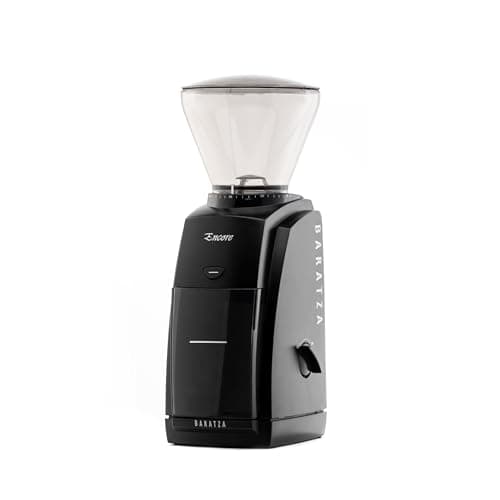
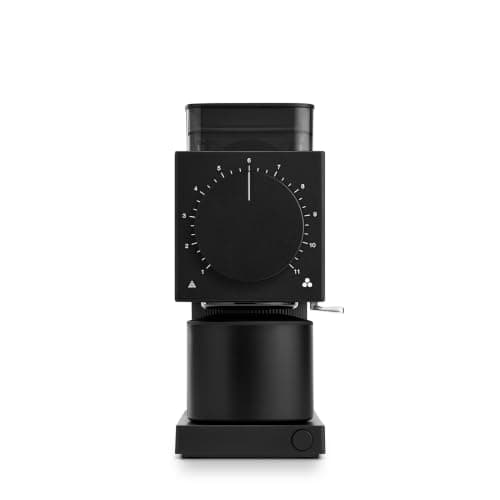
The Fellow Ode Gen 2 and the Baratza Encore are the two grinders filter drinkers keep landing on, and they could hardly be more different in philosophy. The Ode is a flat-burr, single-dose design object built to squeeze the last few percent of clarity out of drip and pour-over; the Encore is the rebuildable, do-it-all workhorse that has been the default recommendation for over a decade. Both are, in the ways that matter here, filter grinders — neither is the tool you buy for espresso — so this comparison is not about range but about design, retention, longevity, and value. Below we set out the criteria that decide it and give a clear verdict for each kind of buyer.
Take burr geometry first, because it is the headline difference. The Ode uses flat burrs — two facing rings — which Fellow positions for an even more uniform particle distribution than a typical conical grinder, the trait filter purists and light-roast drinkers prize for the extra clarity it can bring to a clean pour-over. The Encore uses conical burrs— a cone spinning inside a ring — which are efficient, quieter, cooler, and produce an even, consistent filter grind that has satisfied home drinkers for years. Neither geometry is universally "better"; the flat burrs chase the last increment of cup clarity, while the conical burrs deliver excellent everyday consistency at lower cost and noise. For most people the audible difference is smaller than the spec sheet implies, which our best burr grinders roundup discusses at length.
The second big divide is workflow and retention. The Ode is a single-dose grinder: you weigh in exactly the beans you want to brew, and Fellow designs it for near-zero retention, so almost nothing stays stuck in the grind path between doses. That matters if you switch between roasts often — the coffee you grind is the coffee you just put in, with no stale carryover — and it keeps a tidy, deliberate routine. The Encore is a hopper-fedgrinder by default: you can single- dose it, but it is happiest holding beans and grinding on demand, which is faster for a household that drinks one roast day after day, at the cost of a few grams of retention between beans. Single-dosing is a touch slower and more ritualistic; hopper feeding is faster and more casual. Which is "better" depends entirely on how you drink.
The third divide, and the Encore's trump card, is repairability and value. Baratza's entire philosophy is that you rebuild rather than replace: the company sells every internal part individually, so a worn burr or a tired motor is a cheap repair and a decade-long ownership story rather than a landfill trip. The Encore is also meaningfully less expensive than the Ode, which buys you that longevity for less up front. The Ode answers with design and refinement — it is the best-looking grinder in most kitchens, quiet, and clearly built to a higher finish — but it is a more premium outlay and not pitched as the rebuild-forever platform the Baratza is. Value shoppers and tinkerers lean Encore; those who want the object and the flat-burr grind lean Ode. The long case for the Baratza is in our Encore review, and for the Fellow in our Ode Gen 2 review.
Now the shared honest limit: neither is an espresso grinder, and buying either for espresso is the classic expensive mistake. The Ode Gen 2, even with its upgraded burrs, is built and tuned for the filter range; it is not designed to reach the very fine, finely adjustable settings a shot needs. The plain Encore likewise cannot grind fine enough for espresso — that is what the separate Encore ESP exists for. If espresso is your goal, both of these are the wrong tool, and you want the best grinders for espresso instead. Read our espresso grind sizeguide for why the espresso band is so much more demanding than filter, and do not let either grinder's quality tempt you into asking it for a job it was never built to do.
So which wins? For most filter drinkers, the Baratza Encore is the smarter buy: it grinds filter beautifully, costs less, and Baratza will keep it running for a decade with cheap parts — versatility and value in one box. For the clarity-chasing pour-over drinker who single-doses, switches roasts, and wants a genuinely gorgeous, near-zero-retention grinder, the Fellow Ode Gen 2is worth its premium and does its narrower job better. Neither should be bought for espresso. Both were assessed from the makers' published specifications and reasoned through against what each burr and workflow design does in the cup, priced live — our full method is on how we research.
How to choose between the Ode Gen 2 and the Encore
Both are filter grinders you will be happy with, so the decision comes down to four questions about how you brew, how you shop, and what you value. Answer them in order.
1. Flat burrs vs conical — how much do you chase clarity?
The Ode's flat burrsare tuned for the most uniform grind and the extra cup clarity light-roast and pour-over drinkers prize; the Encore's conical burrs give an even, consistent filter grind that has satisfied home drinkers for over a decade, more quietly and for less. If you taste single-origin light roasts on a clean pour-over and want every increment of clarity, the flat burrs earn their keep. If you drink medium roasts on drip or press, the conical Encore gives you nearly all of it and you will not miss the difference. Do not overpay for burr geometry you will not taste.
2. Single-dose vs hopper — how do you actually brew?
The Ode is built for single-dosing with near-zero retention — weigh in what you brew, grind it all, no stale carryover — which is ideal if you switch roasts often and like a deliberate routine. The Encore is happiest hopper-fed, grinding on demand, which is faster and more casual for a household that drinks one roast day after day, at the cost of a few grams of retention. Frequent roast-switchers and single-dose devotees lean Ode; one-roast households that want speed lean Encore.
3. Repairability and value — do you want to rebuild it?
This is the Encore's decisive advantage. Baratza sells every internal part, so a worn burr or tired motor is a cheap repair and the grinder is a decade-long purchase rather than a disposable appliance — and it costs less than the Ode to begin with. The Ode is the more premium, more refined object but is not pitched as the rebuild-forever platform. If value and longevity top your list, the Encore is hard to beat; if you want the finish and design and will pay for it, the Ode answers. Whichever you pick, keep it clean with our grinder cleaning guide so the burrs hold their edge.
4. Neither is for espresso — be honest about that
If there is any chance you pull shots, stop and reconsider both. The Ode Gen 2 and the plain Encore are filter grinders that cannot reach the fine, finely adjustable settings espresso needs, and buying either for espresso is the most common expensive mistake in the category. Route yourself to the best espresso grinders instead, and read espresso grind size to see why the shot is so much more demanding than filter.
The verdict, in brief
Buy the Baratza Encore if you want the best-value, most versatile filter grinder that will run for a decade on cheap parts — the right answer for most people. Buy the Fellow Ode Gen 2 if you single-dose, chase pour-over clarity with flat burrs, and want a gorgeous, near-zero-retention grinder and will pay the premium for it. See both alongside the wider field in the best burr grinders roundup and the best grinder for pour-over guide.