Cold brew and iced coffee both land in the glass cold, which is why people use the names interchangeably — but they are made in opposite ways and taste noticeably different. Iced coffee is brewed hot and then chilled, so it keeps the bright, aromatic snap of a fresh cup. Cold brew is steeped in cold water for many hours, which produces a smoother, lower-acid, mellower drink. Neither is better; they are different tools for different moods.
The whole difference flows from one variable: brew temperature. Hot water extracts coffee fast and pulls out acids and aromatic compounds along with the sweetness. Cold water extracts slowly and leaves many of those bright, acidic compounds behind. Everything else — the taste, the schedule, even the caffeine — follows from that one choice.
Side by side
| | Cold brew | Iced coffee |
|---|
| Brew temperature | Cold / room temp | Hot, then chilled |
| Brew time | 12-24 hours | Minutes |
| Acidity | Low, smooth, mellow | Bright, more acidic |
| Flavor | Chocolatey, rounded, less aromatic | Aromatic, vivid, closer to hot coffee |
| Effort | Hands-off but slow (plan ahead) | Fast but immediate (brew to order) |
| Caffeine | Often high (strong concentrate) | Similar to a normal cup once diluted |
| Best beans | Darker, chocolatey roasts | Brighter, fruitier roasts |
Taste and acidity
This is where the two drinks part ways most clearly. Cold brew's slow, cold extraction skips many of the acidic and aromatic compounds that hot water pulls out, so it tastes smooth, rounded, and low-acid, often with chocolatey or nutty notes. That gentleness is why people with sensitive stomachs often prefer it. The trade-off is that it can taste flatter and less complex — the bright, fruity, floral high notes that make specialty coffee exciting are largely a hot-extraction phenomenon.
Iced coffee keeps those high notes. Because it is brewed hot, it captures the full aromatic range of the bean and then chills it, so at its best — especially Japanese-style, brewed over ice — it is vivid, clean, and complex. The cost is that it is more acidic and needs to be brewed fresh rather than pulled from a jug in the fridge.
Caffeine
A persistent myth says cold brew is always higher in caffeine. The reality is that it depends on concentration, not the method itself. Cold brew is usually made as a strong concentrate with a high coffee-to-water ratio, so an undiluted cold brew can pack a lot of caffeine. But cold brew is typically diluted with water or milk before drinking, which brings it back down. A well-diluted cold brew and a normal iced coffee can land in a similar range. Because caffeine extraction depends on grind, dose, time, and dilution, treat any single number with suspicion — our how much caffeine is in coffee guide lays out the real ranges and the sources behind them.
Effort and convenience
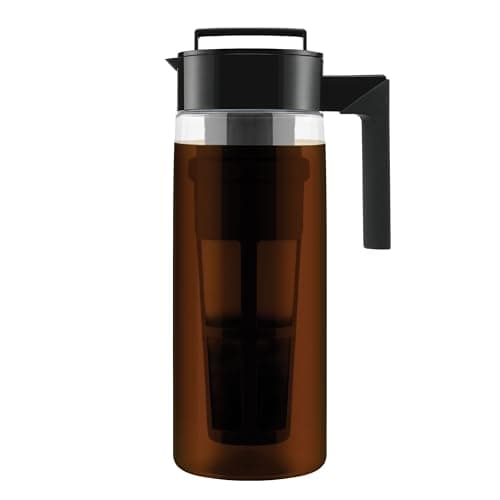
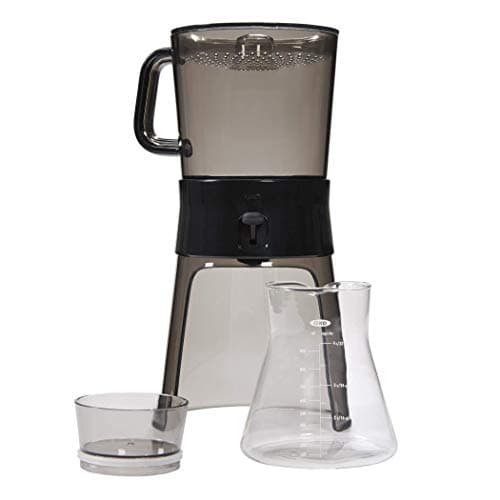
These two drinks suit different lifestyles. Cold brew is hands-off but slow: you spend five minutes combining coffee and water, then wait 12 to 24 hours while it steeps. The payoff is that a single batch gives you days of ready-to-pour coffee in the fridge — brilliant for people who want cold coffee every morning without thinking about it. Our how to make cold brew guide covers the recipe.
Iced coffee is the opposite: fast to make but made to order. You brew it in minutes, but you brew it each time. It is the better choice for someone who wants one great cold cup now and does not want to plan a day ahead, or who wants to taste a specific bright, aromatic bean at its best.
The verdict
Choose cold brew if you want smooth, low-acid coffee you can batch ahead and keep in the fridge, if acidity bothers your stomach, or if you like a rounded, chocolatey profile — and lean it toward darker, chocolatey beans. Choose iced coffee if you want a bright, aromatic cup made fresh, if you enjoy the vivid character of lighter roasts, or if you did not plan ahead and want cold coffee in the next ten minutes. Many home drinkers keep both in rotation — cold brew for weekday convenience, fresh iced coffee for when a special bean deserves it. If you want the practical builds, see how to make iced coffee and how to make an iced latte.
Picking the right cold coffee for you
Beyond the taste difference, cold brew and iced coffee ask different things of your kitchen and your schedule. Here is how to decide which fits, and how to make each one better.
Match the drink to your routine
The honest deciding factor for most people is not flavor but logistics. If mornings are rushed and you want cold coffee ready to pour, cold brew's make-ahead batch wins — brew on Sunday, drink all week. If you would rather brew fresh and chase the brightest possible cup, iced coffee is worth the few extra minutes each day. There is no wrong answer; there is just the one that survives contact with your actual mornings.
Choose beans for the method
The two methods flatter opposite beans. Cold brew mutes acidity, so it shines with darker, chocolatey, nutty roasts whose low acidity is an asset — bright beans can taste dull in cold brew. Iced coffee preserves acidity, so it rewards lighter, fruitier, more aromatic coffees whose high notes come through clean over ice. Buying a bean suited to the method matters more than most people expect; browse the coffee beans hub for options either way.
Control dilution and caffeine
Both drinks live or die on dilution. Cold brew is a concentrate — how much water or milk you add sets both the strength and the caffeine, so adjust to taste rather than trusting a fixed recipe. Iced coffee needs to be brewed stronger than a hot cup so it survives the ice. If caffeine content matters to you, remember it tracks dose and dilution far more than the hot or cold label; the caffeine guide has the ranges.