Ristretto, espresso, and lungo are the same coffee pulled to three different lengths from one dose. A ristretto is short and syrupy at roughly a 1:1 ratio; a standard espresso runs about 1:2; a lungo is long and lighter at 1:3 or more. Same grounds, different yield.
That is the entire concept: you keep the dose of dry coffee the same and change how much liquid you let flow through it before stopping the shot. Because water pulls compounds out of coffee in a rough order — bright and sour first, sweet and balanced in the middle, bitter and harsh last — the length you pull to decides which of those flavors dominate the cup. The words are Italian: ristretto means "restricted," lungomeans "long," and espresso sits in the middle.
The three shots, side by side
| | Ristretto | Espresso | Lungo |
|---|
| Ratio (dose:yield) | ~1:1 | ~1:2 | ~1:3 or more |
| Yield from an 18g dose | ~18-20g | ~36g | ~54g+ |
| Extraction time | Shortest | ~25-30 sec | Longest |
| Body | Thick, syrupy | Balanced, full | Thinner, lighter |
| Taste lean | Sweet, intense, low bitterness | Balanced sweet-and-bright | More bitter, more bright, diluted |
Ristretto: the restricted shot
A ristretto stops the shot early — around a 1:1 ratio, so roughly as much liquid out as coffee in. You capture the first, sweetest part of the extraction and cut it off before much bitterness has a chance to develop. The result is small, thick, and syrupy: intensely sweet and concentrated, with less of the sharp acidity and none of the harsh, dry bitterness of a long pull. Fans reach for it when they want the purest hit of a coffee's sweetness.
Espresso: the balanced default
A standard modern espresso pulls to about a 1:2 ratio — an 18g dose yielding roughly 36g of espresso in 25 to 30 seconds. It is the reference point every roaster dials their blends around because it balances the early sweetness and brightness against just enough of the later compounds for depth and body. It is also the base for milk drinks, from a latte to a cappuccino. If you are still learning to pull one, start with how to make espresso at home.
Lungo: the long pull
A lungo keeps flowing to a 1:3 ratio or beyond, pulling more water through the same puck. You extract more total material, including the later, more bitter compounds, and you dilute the shot into something larger and lighter-bodied. Done well it is a bigger, more drinkable coffee with more complexity; pushed too far it turns thin and bitter as the extraction scrapes the bottom of the puck. A lungo is not the same as an Americano, which is a normal shot diluted with hot water after brewing rather than pulled long.
The caffeine question
Here is the counterintuitive part. Because a lungo pushes more water through the grounds, it extracts more total caffeine than an espresso or ristretto from the same dose — the long pull dissolves more of it. So per shot, a lungo usually carries the most caffeine, a ristretto the least, with espresso in between. But the differences are modest, and if all three use the same dose the gap is smaller than the volumes suggest. For the full picture, see how much caffeine is in espresso.
How to pull each at home
The good news is you don't need three techniques — you need one shot and a scale. Because all three start from the same dose, switching between them is just a matter of when you stop the pour.
Keep the dose fixed, weigh the yield
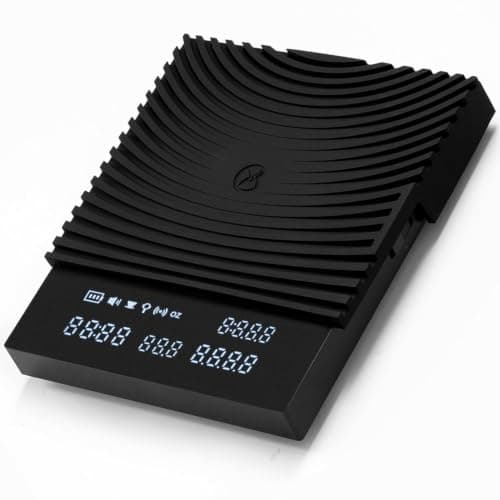
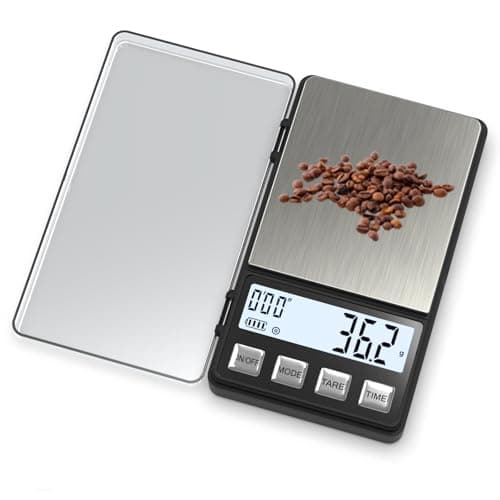
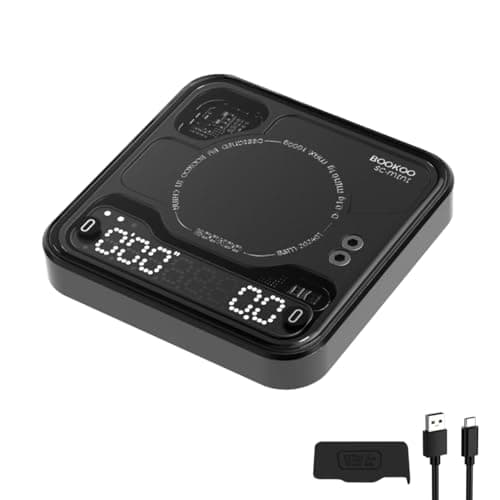
Load your usual dose — say 18g — grind and tamp as normal, and put a scale under the cup. Stop the shot at roughly the target weight: about 18-20g for a ristretto, 36g for an espresso, 54g or more for a lungo. Volume is unreliable because crema lies about how much liquid is in the cup, so weigh it. This is the same discipline that makes any shot repeatable.
Grind may need a nudge
A true ristretto pulled at a normal grind can run too fast and taste sour, so some people grind slightly finer to slow the shorter shot down; a lungo pulled at espresso-fine can choke and turn bitter, so a hair coarser can help. Start by just changing the yield — most home drinkers get a satisfying ristretto or lungo without touching the grinder at all — and only adjust the grind if the shorter or longer pull tastes off. A capable burr grinder makes those small moves possible.
Which one should you drink?
Pick by what you want in the cup, not by prestige. Want the most intense, sweetest sip and the smallest drink? Ristretto. Want the balanced all-rounder and the base for milk drinks? Espresso. Want something larger to sip black without diluting it after the fact? A lungo. There is no "correct" length — it is preference, and it is free to experiment.