Automatic drip is the workhorse of American coffee — the machine on most kitchen counters and in most break rooms — and it is also the most forgiving way to brew. That forgiveness is exactly why the bean matters more than the box it goes in: a drip machine won't rescue a flat, stale coffee, but it also won't fight a good one. Get the bean right and even an inexpensive drip maker pours a genuinely excellent cup, morning after morning.
We ranked these five on the things that actually decide a drip pot: balance first, because drip extracts evenly at a moderate temperature and rewards a bean that isn't pulling in extremes; then versatility, so the bag earns its place if you also brew another way; then value per pound and how fresh you can realistically buy it. Tasting descriptions stay close to what each roaster publishes rather than invented notes, and prices render live, so every value call reflects what a bag costs today rather than a number typed once and left to go stale.
So what makes a bean good for drip? Start with the roast. A drip machine showers water over a medium grind for a few minutes at a steady temperature, which is the most even, hands-off extraction there is — and that plays best with a balanced roast. A very light roast can read thin or sour when a machine doesn't hit a high enough brew temperature; a very dark roast can turn flat and ashy in a big batch. A medium roastsits in the sweet spot: enough origin sweetness and acidity to taste like something, enough roasted body to fill out a mug, and enough forgiveness to survive a machine that isn't a barista. That is why four of our five picks are mediums, and the one dark roast earns its spot for people who specifically want a bold, milk-friendly pot.
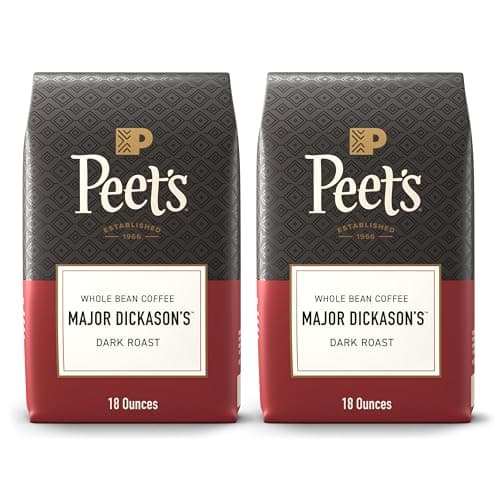
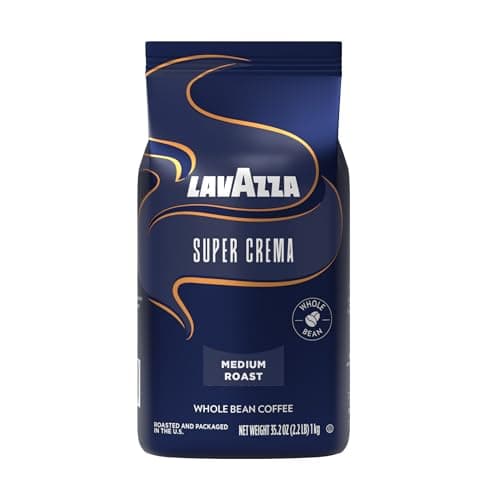
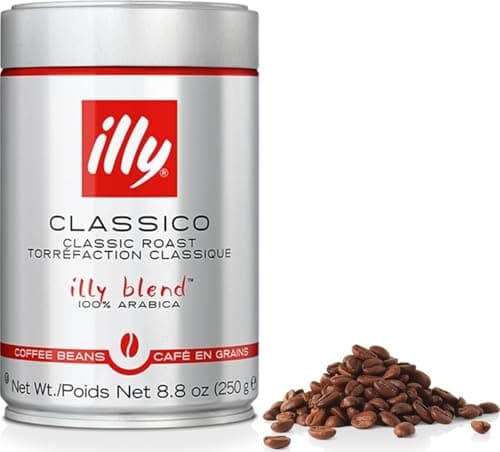
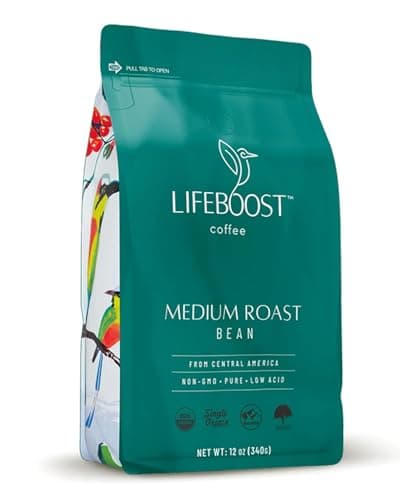
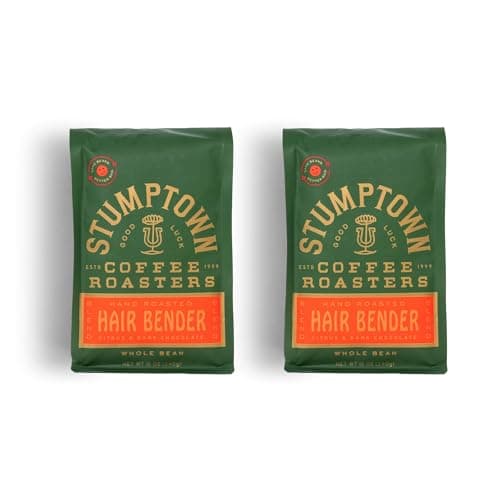
Stumptown Hair Bender takes the top spot as the drip bean that shows what a plain drip machine can really do: a genuine specialty medium with real complexity — Stumptown publishes citrus brightness over dark-chocolate depth — that stays balanced and sweet through a full pot rather than collapsing into one flat note. It is the step up to specialty for anyone who has only ever run supermarket cans through their maker. Peet's Major Dickason's is the pick for dark-roast drinkers: a deep, rich, full-bodied dark roast that punches through milk and satisfies anyone who finds lighter coffee too thin — just know that dark roasting flattens the origin, so you taste the roast more than the bean. Lavazza Super Crema is the value all-rounder — technically an espresso blend, but mild, nutty, and low-acid enough to make a pleasant, forgiving drip pot, and cheap by the pound in a big 2.2 lb bag. Illy Classico is the consistency pick: a smooth 100% Arabica medium whose pressurized can tastes the same every single time, which is exactly what some people want from a daily drip. And Lifeboost Organic Medium Roast rounds it out as the low-acid, third-party-tested choice — a smooth, mild, easy-to-drink-black medium that is the one to try if a regular pot of coffee upsets your stomach.
The single biggest upgrade you can make to drip coffee costs less than a bag of beans: buy whole bean and grind medium right before you brew. Pre-ground coffee starts losing aroma within days of the bag opening, and a drip machine has no way to make up for that lost flavor — it simply washes stale grounds. A modest burr grinder set to a medium, sandy texture does more for your cup than trading up to a fancier machine. Grind too fine and the water pools and over-extracts into bitterness; grind too coarse and it rushes through weak and sour. Medium is the target, and it is the one setting a drip pot lives or dies on.
After grind, dial the strength. Most weak drip coffee isn't a bean problem, it is a ratio problem — people simply use too little coffee for the water. A good starting point is roughly two tablespoons of grounds per six ounces of water, then adjust to taste; our coffee-to-water ratio guide has the numbers if you want to weigh it properly. Any of these five will taste stronger and rounder the moment you stop under-dosing.
The honest limits, pick by pick. Hair Bender costs more per ounce than the grocery cans, and its brighter character rewards fresh grinding — buy it stale and you throw away exactly what you paid extra for. Major Dickason's is bold by design, so if you chase light, fruity flavors it will taste heavy and roasty in a filter. Super Crema is deliberately mellow and built for espresso first; it makes a smooth, forgiving pot but not a bright, third-wave one. Illy comes in smaller cans, so the price per pound runs higher than a big bag. And Lifeboost carries a real premium for its low-acid, tested credentials — if acidity doesn't bother you, you are paying for a benefit you may not need. Match the compromise you can live with to the cup you want.
Not sure which to load into the basket? Buy Hair Bender to taste what specialty coffee does in an ordinary machine; Major Dickason's if you like your pot dark, bold, and good with milk; Super Crema if you want the most coffee per dollar and a forgiving, mellow cup; Illy if you value the exact same cup every morning; and Lifeboost if a regular pot is hard on your stomach. Whichever you choose, buy whole bean, grind medium, and use enough of it — those three habits matter more than the name on the bag.
How to choose coffee for a drip machine
Drip is the easiest brewer to get right because it does most of the work for you — but a handful of choices still separate a great daily pot from a merely fine one. Here is what actually moves the cup, in order.
1. Favor a balanced medium roast
A drip machine extracts evenly at a moderate temperature, which flatters a balanced bean and exposes an extreme one. A medium roast keeps enough origin sweetness and acidity to taste interesting while adding enough body to fill a mug, and it forgives a machine that doesn't brew as hot as a barista would. Light roasts can turn thin or sour in drip; very dark roasts can flatten into ash over a full pot. If you want to understand where your preference sits, our light vs dark roast guide maps the whole spectrum, and our medium-roast roundup goes deeper on the sweet spot.
2. Buy whole bean and grind medium
This is the cheapest upgrade in coffee and the one drip drinkers skip most. Pre-ground coffee stales within days; whole beans hold for weeks, and a drip machine can only brew what you give it. A burr grinderset to a medium, sandy texture is the target — fine enough to extract fully, coarse enough that the water doesn't pool and turn bitter. If you must buy ground, buy the smallest bag you'll finish quickly and keep it sealed. Our whole bean vs ground guide lays out why the math favors grinding fresh.
3. Dial the ratio before you blame the bean
Most disappointing drip coffee is under-dosed, not badly chosen. A machine full of water and a stingy scoop of grounds makes weak, sour coffee no matter how good the bag is. Start near two tablespoons of grounds per six ounces of water and adjust; weighing it is more reliable still. The coffee-to-water ratio guide has the numbers. Fix the ratio first, then judge the bean.
4. Single origin or blend
At medium roast the difference is real. A single origin like Hair Bender or Lifeboost showcases one coffee's particular character and rewards paying attention. A blend like Super Crema or Illy is engineered for a consistent, dependable cup, and Illy in particular is built to taste identical every time. Neither is better — a single origin is more distinctive, a blend is more reliable — so buy for whether you want to notice differences or want the same good pot every morning.
5. Match roast to milk
How you drink it should steer the roast. If you take your coffee black, a balanced or low-acid medium (Hair Bender, Illy, Lifeboost) lets the flavor come through clean. If you drink it with a lot of milk or cream, a bolder bag stands up better — Major Dickason's is built to punch through, and even Super Crema's blend has enough body to hold its own in a milky mug. A delicate medium can vanish under heavy milk, so size the roast to the cup you actually drink.
6. Mind the water and the brew temperature
Two things a drip machine controls quietly shape the cup as much as the bean. Coffee is over 98% water, so if your tap water tastes off, the pot will too — filtered water makes a noticeably cleaner cup. And brew temperature matters: the best extraction happens with water just off the boil, and cheaper machines that never get hot enough are a common reason a good medium roast comes out thin and sour. If a pot tastes weak despite a fresh bag, a sound ratio, and a medium grind, a machine that brews too cool may be the culprit rather than the beans.
7. Freshness beats pedigree
The best bag on this page, bought stale, will lose to a lesser bag bought fresh. Look for a roast date rather than a distant "best by," buy a size you'll finish inside a month, and store it airtight, away from light and heat. A clean machine helps too — old coffee oils in the basket and carafe turn every pot rancid, so rinse them regularly. Get freshness and cleanliness right and a modest drip maker will out-brew a neglected expensive one.