If you can only own one bag of coffee, make it a medium roast. Medium sits in the middle of the roasting spectrum on purpose: it keeps enough of the bean's origin character — the sweetness, the fruit, the acidity that make one coffee taste different from another — while adding just enough roasted body and caramelization to be smooth and forgiving. Light roasts can be brighter and more distinctive; dark roasts can be bolder and more comforting; but medium is the one that does the most things well, which is why it is the roast level we recommend to almost everyone starting out.
We ranked these four on flavor, versatility across brew methods, and value per pound — the three things that decide whether a medium earns a permanent spot on your shelf. Because "medium" covers so much ground, we deliberately picked four that taste very different from one another, so the ranking is less about which is objectively best and more about which suits you. Tasting notes stay close to what each roaster publishes rather than invented ones, and prices render live rather than being typed in to go stale.
The real argument for medium is versatility across brew methods. A bright light roast rewards a careful pour-over and can turn thin or sour under espresso pressure; a heavy dark roast shines in a press or with milk but flattens the origin in a delicate filter. A medium roast is the coffee that works in all of them — pull it as espresso, run it through a drip machine, steep it in a press — without fighting you. When you brew more than one way, or you are buying a single bag for a household with different tastes, medium is the answer that keeps the most people happy.
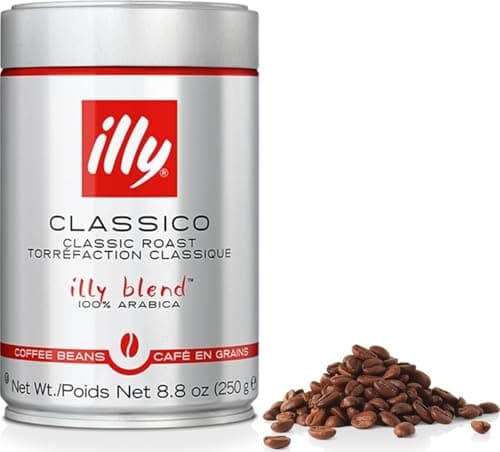
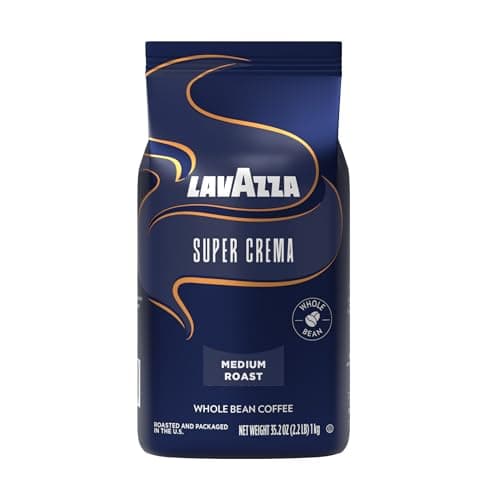
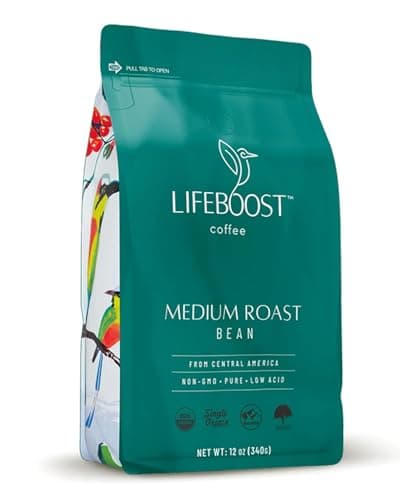
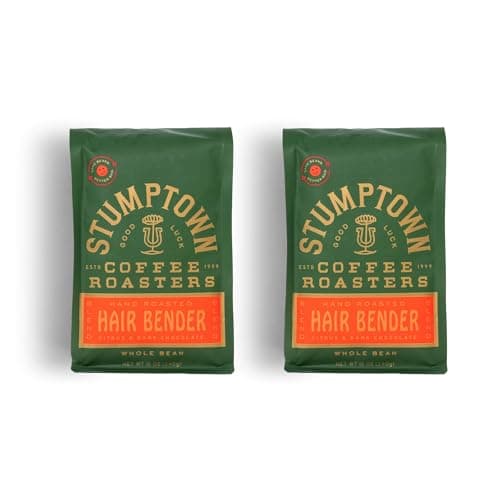
Stumptown Hair Bender takes the top spot as the medium roast that shows what the level can do at its best: a genuine specialty coffee with real complexity — Stumptown publishes citrus brightness over dark-chocolate depth — versatile enough to shine as espresso or pour-over, and roasted by a house whose freshness and sourcing sit a cut above the grocery blends. It is the step up to specialty for someone who wants to taste why people make a fuss. Illy Classicois the smooth, consistent all-Arabica option: illy's published notes run to caramel and blossom, its consistency is legendary, and the pressurized can keeps it fresh on the shelf — the choice when you want the same clean cup every single time. Lavazza Super Cremais the forgiving crowd-pleaser: an Arabica-Robusta blend whose Robusta builds a thick, stable crema that flatters a rough espresso shot, mild and low-acid enough to drink black, and cheap by the pound (there's a full Super Crema review if you want the detail). Lifeboost Organic Medium Roast rounds it out as the low-acid, third-party-tested pick — a smooth, mild, organic single origin that is the one to try if regular coffee upsets your stomach.
Notice how different those four are while all being "medium." That is the point: the roast level is a comfort zone, not a flavor. Hair Bender is bright and complex; Super Crema is mellow and creamy; Illy is clean and consistent; Lifeboost is smooth and gentle. The label tells you the coffee will be forgiving and versatile — it does not tell you which one you will like, so buy for the character you want inside that safe band. If you want to understand where medium sits relative to the extremes, our light vs dark roast guide maps the whole spectrum.
As always, the bag matters less than the freshness. A fresh medium roast, ground right before you brew with a decent burr grinder, will beat an expensive bag that has been open for two months every time. Buy whole bean, buy a size you will finish inside a month, and store it airtight — that does more for your cup than agonizing over which of these four to choose.
The honest limits, pick by pick. Hair Bender costs more per ounce than the grocery blends and its brighter profile is less forgiving of sloppy espresso technique, so a total beginner may find it punishing before their shots are dialed in. Super Crema is deliberately mellow — buy it for forgiveness and value, not for bright, third-wave character. Illy is sold in smaller cans, so the price per pound runs higher, and its all-Arabica cup makes a thinner crema than the Lavazza blend. Lifeboost carries a real premium for its low-acid, tested credentials; if acidity doesn't bother you, you are paying for a benefit you may not need. Match the compromise you can live with to the cup you want.
One more thing medium roast does well: it lets a coffee's origin come through. Because the roast is stopped before char flavors take over, a single-origin medium like Hair Bender or Lifeboost still tastes of where it was grown, while a blend like Super Crema is tuned for consistency and body rather than origin expression. Neither approach is better — a single origin is more distinctive and a blend is more dependable — but medium is the roast level where that choice actually shows up in the cup. If you want to explore origin character, a medium single origin is the place to start; if you want the same reliable cup every morning, a medium blend is built for it.
Not sure which to reach for? Buy Hair Bender to taste what specialty coffee is about; Illy if you want the same clean, consistent cup every time; Super Crema if you make milk drinks or you're learning espresso and want maximum forgiveness; and Lifeboost if regular coffee is hard on your stomach. Any of the four will handle whatever brewer you own — that flexibility is the whole reason to keep a medium on the shelf.
Getting the most from a medium roast
Medium is the easiest roast to buy well because it forgives the most — but a few choices still separate a great daily cup from a merely fine one.
Decide what "medium" you want
Because medium spans so much ground, the roast level alone won't pick your bag. Want brightness and complexity? A specialty medium like Hair Bender leans toward the light end and rewards a careful brew. Want smooth, mellow, and forgiving? A crema blend like Super Crema or a low-acid single origin like Lifeboost leans the other way. Want dead-consistent and clean? Illy's all-Arabica cup is the same cup every time. Match the character to your taste, not just the word on the front.
Arabica, Robusta, or a blend
Most specialty mediums — Hair Bender, Illy, Lifeboost — are 100% Arabica, which reads as sweeter, cleaner, and more complex. Super Crema adds Robusta, which is harsher on its own but builds the thick crema that makes espresso forgiving for a beginner. For black filter coffee, favor the Arabica picks; for crema-heavy espresso while you are still learning, the Robusta blend genuinely helps. Our arabica vs robusta explainer covers why.
Medium is the do-everything brew choice
This is the practical reason to keep a medium on hand. It handles espresso, drip, pour-over, press, and even a cold steep without needing a different bean for each — the versatility a single-purpose light or dark roast can't match. If you brew espresso, Super Crema and Hair Bender both feature in our best beans for espresso; if you make cold brew, a smooth medium works there too, though our cold brew guide notes darker beans edge it for that method.
Freshness and grind, every time
The one rule that never changes: buy whole bean, check the roast date rather than a distant "best by," and grind right before brewing. A medium roast is forgiving of brew technique but not of age — a stale medium tastes as flat as any other stale coffee. Buy the size you will finish in a month and store it airtight, and the roast level's natural balance will do the rest.
Single origin or blend
At medium roast the difference is real. A single origin — Hair Bender, Lifeboost — showcases one coffee's particular character and rewards paying attention. A blend — Super Crema — is engineered for a consistent, balanced, forgiving cup and, in Lavazza's case, for crema. If you like the idea of tasting differences between coffees, buy single origin; if you want a bag that is the same and good every time, buy a blend. Illy is the interesting middle case: a blend built specifically for consistency, so it drinks like a dependable single note.
Where a medium isn't the answer
Versatile does not mean best at everything. If you drink only big milky lattes, a dark roast will punch through the milk better than most mediums. If you chase the brightest, most delicate single-origin flavors, a light roast will out-sparkle a medium in a careful pour-over. And if your only goal is maximum caffeine, roast level barely matters — dose more coffee instead. Medium is the best default and the best single bag, but the extremes exist because they each do their one job better. Buy a medium unless you have a specific reason not to.