Here is the short answer, because it is the one most pages bury: there is no such thing as an espresso bean. No plant produces them, no species is reserved for them, and no certification body defines them. Espresso is a brewing method — hot water forced through a compacted bed of fine grounds at around nine bars of pressure — and any coffee on earth can be put through it. When a bag says espresso, that word is describing what the roaster had in mind, not what the tree grew.
That does not make the word useless. It is a real, if loose, signal about roast level, blend composition and grind recommendation, and it is worth learning to read. But it is a signal with no enforcement behind it, which is why the same word ends up on bags that have almost nothing in common. The rest of this page is about what it reliably tells you, what it doesn't, and which bag you should actually put in your grinder.
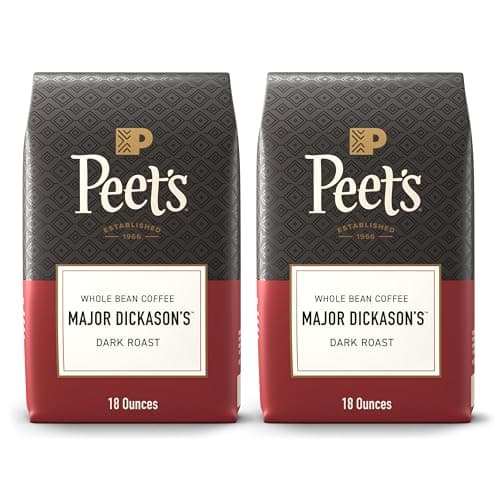
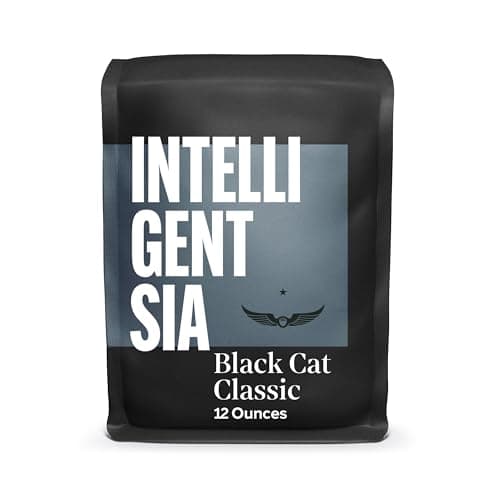
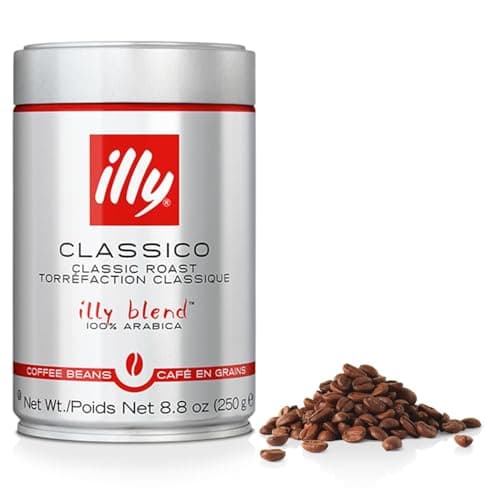
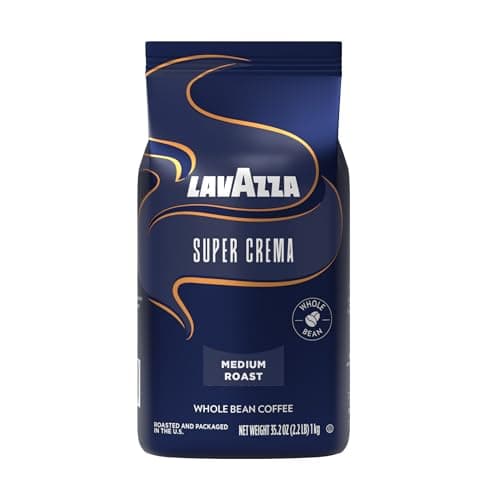
The cleanest way to show the gap between the label and the contents is to read the listings themselves. When we resolved these five bags against Amazon's live catalog on August 17, 2026, every one came back in stock, and this is what the sellers called them. Lavazza Super Cremais sold as a "Medium Espresso Roast, Arabica and Robusta Blend." Intelligentsia Black Cat — a blend built specifically for espresso machines, and named for it — is listed as a light roast. illy Classico, an Italian espresso staple, is listed as a medium roast, with no mention of espresso in the roast description at all. And Peet's Major Dickason's Blend, which is not marketed as an espresso coffee, is a dark roast— darker than every espresso-labeled bag above it. If "espresso beans" meant "darker beans," that list would be in the opposite order.
What the word espresso on a bag actually promises
Strip the marketing away and the label is making three claims, in descending order of reliability.
The first and most dependable is blend intent. An espresso-labeled coffee is usually a blend rather than a single origin, and it has been assembled so the components taste balanced when they are concentrated. Espresso extracts roughly ten times more dissolved coffee per ounce than a drip cup, which magnifies everything — sweetness, body, and any sharp edge the coffee has. A blend built for the shot is one where somebody has already done the work of making sure that concentration lands as syrupy rather than sour or harsh. Intelligentsia's own page for Black Cat is explicit about this: it lists the components as Costa Rican and Salvadoran, gives an espresso recipe on the page — 18g in, 45g out — and names the espresso machine as the recommended method. That is a genuine, checkable promise about how the coffee was designed.
The second claim is roast level, and it is much weaker than people assume. The tendency is real: espresso-labeled coffee skews medium to medium-dark, because roasting further mellows acidity, and acidity is the thing pressure exaggerates most. But it is a tendency, not a rule, and nothing enforces it. Roasters do have an objective vocabulary for roast color — the Specialty Coffee Association publishes a roast-color classification, and serious roasters measure against it — but "espresso" is not a point on that scale. It is a word on a bag. Our light vs dark roast guide covers what roast level genuinely changes in the cup; that page is the one to read if roast is your actual question, because it is a much better predictor of taste than the espresso label is.
The third claim is grind recommendation, and it only matters if you are buying pre-ground. A bag sold "ground for espresso" has been milled far finer than a drip grind. This is the one place where the espresso label describes a physical difference you can see — and it is also the one you should most avoid relying on, because espresso is the brew method least tolerant of a grind you cannot adjust. More on that below.
Crema, robusta, and the thing the espresso label is really selling
The specific quality most espresso blends are engineered for is crema— the tan foam that sits on a fresh shot. It is dissolved carbon dioxide from roasting, forced out of solution by the pressure drop as the coffee leaves the basket, and it is the visual cue almost everyone uses to judge whether a shot "worked."
The traditional lever for more of it is robusta, the second commercial coffee species. Robusta produces a thicker, more persistent crema than arabica and carries substantially more caffeine — commonly reported at roughly double, around 2.2 percent by dry weight against arabica's 1.2 percent. It also tastes woodier and more rubbery, which is why specialty coffee spent decades treating it as a defect. Used well, in the small proportions Italian houses use it in, it is not a defect at all: it is a stabilizer that makes a shot forgiving. Lavazza Super Crema is the clearest example on this page — its live listing says arabica and robusta blend in the title, and the crema it produces is exactly what a beginner needs while their technique is still rough. We go through the full trade in arabica vs robusta.
The honest caveat is that crema is a freshness gauge, not a quality score. A bag two days off the roaster will produce spectacular crema and a shot that tastes thin, because the same CO2 that makes the foam is interfering with extraction. Scott Rao, one of the more careful voices on roasting, describes pulling shots from very freshly roasted coffee as producing "massive amounts of crema and lower extractions" than the same coffee several weeks later. If you have been judging beans by their foam, that is worth sitting with — and our what is crema explainer takes it further.
The difference that actually matters: how long ago it was roasted
If you take one practical thing from this page, take this. The gap between an espresso-labeled bag and a regular bag is small. The gap between a bag roasted three weeks ago and a bag roasted seven months ago is enormous, and it is the one nobody puts on the front of the package.
Coffee releases CO2 for days to weeks after roasting, and espresso is the brew method most disturbed by it, because the gas physically resists the pressurized water trying to pass through the puck. Too fresh and shots gush or channel unpredictably; too old and the aromatic compounds have simply gone. Rest windows are genuinely contested — Rao's own conclusion is that "there is no one size fits all resting period," and that roast level, the roasting machine and storage all move it — so we are not going to hand you a number and pretend it is settled. What is not contested is the direction: espresso wants coffee that has rested, and filter methods forgive both extremes more easily.
Which turns the buying decision practical. A roast date on the bag is worth more than the word espresso on the bag. Specialty roasters print one; supermarket blends usually print a best-by date instead, which tells you when the seller stops being responsible, not when the coffee was good. Neither is disqualifying — Lavazza and illy are built to survive a supply chain, and illy's pressurized can is a genuine engineering answer to the problem rather than a marketing one — but it does change what you should expect. Our guide to how long coffee beans last is the fuller version of this argument.
Grind: the real difference, and it is not in the bag
Espresso needs a much finer grind than drip, and it needs it to be adjustable in very small steps, because grind size is the main control you have over how fast water moves through the puck. Change the bean, the roast, or even the weather, and the setting moves.
This is the strongest argument against buying anything pre-ground for espresso, whatever the label says. A bag ground "for espresso" is one fixed size chosen by a factory that has never met your machine, and when your shot runs fast and sour you have no way to respond. Whole beans plus a grinder that steps finely is not a refinement; for espresso it is the difference between being able to fix a shot and not. It is also, dose for dose, a bigger upgrade than changing beans at all — see whole bean vs ground for the surface-area math, and the best grinders for espressofor what "steps finely" costs.
The mirror image is also true and less often said: an espresso-labeled bag is completely fine in a French press, a drip machine or a pour-over. You are brewing a medium-to-dark blend coarser, which is a normal thing to do. It will taste bolder and less bright than a coffee chosen for filter, and that is a preference, not a mistake. Nothing breaks.
Caffeine, and the myth that goes with it
Espresso is often assumed to be the more caffeinated drink because it is the more intense one. Per ounce, yes — dramatically. Per serving, usually not: a single shot is about an ounce of liquid and an eight-ounce drip cup typically carries more total caffeine. The bean plays a part, since a robusta-containing blend brings more caffeine than a 100 percent arabica one like illy Classico, but the dominant variable is how much liquid you drink, not what the bag says. We put real figures against this in how much caffeine is in espresso.
Roast level barely moves it. Darker roasts lose a little caffeine, but the effect is small enough to be swamped by how you dose. If maximum caffeine is genuinely the goal, the lever is the species and the serving size, not the word on the label.
So which bag should you buy?
If you are new to espresso and want the machine to be kind to you, Lavazza Super Crema is the pick, and it is the cheapest per pound here by a wide margin. Robusta in the blend gives thick, stable crema, the medium espresso roast is mellow enough to survive a mistake, and the bag is large enough that you can afford to waste shots learning. That last point matters more than it sounds.
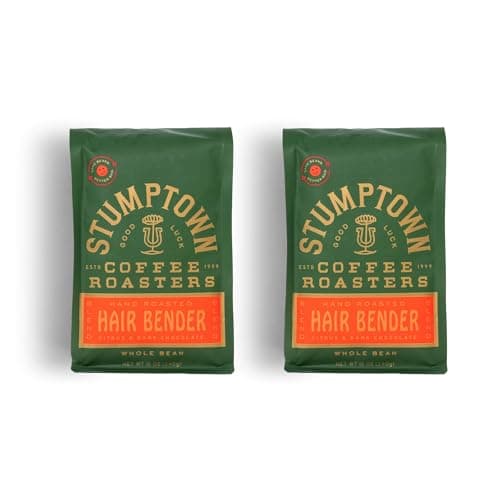
If you want one bag that does both jobs — espresso in the morning, pour-over at the weekend — Stumptown Hair Bender is the answer, and it is the reason the espresso-versus-regular framing falls apart. It is a medium roast, sold with citrus and dark chocolate notes, and it is genuinely good pulled as a shot or brewed in a cone. It is also the most expensive coffee on this page by a distance, and it is less forgiving than the Lavazza when your grind is off.
If you like dark, rich, milk-friendly coffee and do not care what the label says, Peet's Major Dickason's Blend is the honest recommendation, and it makes the point better than any argument could: it is not sold as an espresso coffee and it is darker than every espresso bag here. It is superb through milk and widely stocked. If you drink your coffee black and chase brightness, it is the wrong bag.
If your setup is dialed in and you want to see what an espresso blend can actually do, Intelligentsia Black Catis built for the shot by people who publish the recipe. It is also the bag that most decisively disproves "espresso means dark": Amazon lists it as a light roast, and Intelligentsia's own page skips the light-medium- dark vocabulary entirely, rating it two out of three for brightness. Expect it to punish a sloppy grind.
And if you want smoothness and absolute consistency above all, illy Classico is 100 percent arabica in a pressurized can, and it tastes the same every time you open one. You pay for that in price per ounce and give up some crema thickness in exchange for a cleaner cup.
None of these bags has been through a cupping table of ours. We resolved every one against Amazon's live catalog on the day this was written, confirmed each was in stock and priced before featuring it, read the roasters' own published descriptions, and quoted the retailer's roast designation rather than assigning one ourselves. Where a rest window or a caffeine figure is contested, we have said so instead of picking the tidiest number. That is the method described on how we research.
How to choose between an espresso bag and a regular one
In order of how much each one changes your cup — which is not the order the packaging implies.
1. Roast date, then everything else
A bag roasted within the last few weeks beats a perfectly chosen bag that has been on a shelf since spring, and it is not close. Look for a printed roast date; treat a best-by date as a much weaker signal. If the coffee is going into an espresso machine, give it some rest rather than pulling it the day it lands — very fresh coffee gasses hard, gushes unpredictably, and gives you a photogenic crema on top of an under-extracted shot. Exactly how long is genuinely disputed and depends on the roast and the roaster, so trust your palate over any number, including ours.
2. Whole bean, always, and especially for espresso
Buy whole beans. For drip or press, pre-ground is a compromise you can live with. For espresso it is close to unworkable, because grind size is your only fast control over shot speed, and a factory grind is a single fixed setting chosen for nobody's machine in particular. Every bag on this page is sold whole for that reason. If you do not own a grinder yet, that purchase outranks every choice on this page — start with the best grinders for espresso.
3. Match roast level to your palate, not to your machine
The espresso label is a poor proxy for roast level, so ignore it and read the roast. Medium to medium-dark is the forgiving middle for shots: enough sweetness, not enough acidity to turn sour when the grind drifts. Light roasts pulled as espresso can be extraordinary and are demanding, which is why Black Cat rewards a dialed-in setup and frustrates a new one. Dark roasts are the most forgiving and the best through milk, at the cost of origin character. Our roast level guide is the fuller version of this decision.
4. Decide whether you want crema or clarity
These pull in opposite directions. A robusta-containing blend like Super Crema gives thick, durable crema and a rounder, nuttier cup that stands up to milk. A 100 percent arabica coffee like illy Classico or Black Cat gives a thinner crema and a cleaner, more articulate one. If you drink cappuccinos, crema and body are worth more to you. If you drink shots straight, clarity is. Neither is the better bean; they are answers to different questions, which is the argument in arabica vs robusta.
5. Do the arithmetic on bag size
Price per bag hides a wide range in price per pound here — a 2.2 lb Lavazza bag and an 8.8 oz illy can are four times apart in weight before you compare anything else. Work in dollars per pound, and factor in how fast you drink it, because a large cheap bag you finish inside a month is a better buy than a small expensive one that goes stale on the counter. Espresso drinkers get through beans faster than they expect — an 18 gram dose is a lot per drink, and learning costs you shots. Prices on this page are pulled live and change daily, so compare them at the moment you buy rather than from a number you read somewhere.
6. Ignore "espresso beans" as a category, and buy the coffee
The word is a hint about a roaster's intent and it is often a helpful one. It is not a specification, it is not audited, and on the evidence of these five listings it does not even reliably predict roast color. Read the roast level, read the blend, read the date, and consider what you actually like to drink. Then buy that bag and grind it to suit your brewer. That is the whole method, and it works whether the front of the package says espresso or nothing at all.