Skip to content
Bean & Burr

HUB 06 · Learn

Arabica vs Robusta

One is 'better,' the other is stronger, cheaper and makes more crema — and good espresso blends have quietly used both for a century.

By Stephen V.Updated How we research

Virtually all coffee is one of two species. Arabica (~60-70% of world production) is the aromatic one — sweeter, more acidic, more complex, grown high and picky. Robusta is the tough one — hardier, cheaper to farm, harsher and more bitter in the cup, with roughly double the caffeine. "100% Arabica" became a marketing badge because commodity robusta tastes rubbery and flat. But the honest story is more interesting than good-species/bad-species.

The differences that matter

 ArabicaRobusta
FlavorSweet, aromatic, complex, brighter acidityStrong, earthy, bitter, heavy body
Caffeine~1.2-1.5% by weight~2.2-2.7% — about double
CremaModerateAbundant, thick, stable
PriceHigher (high-altitude, delicate)Lower (hardy, high-yield)
Where you meet itSpecialty bags, single originsItalian espresso blends, instant coffee

The espresso-blend truth

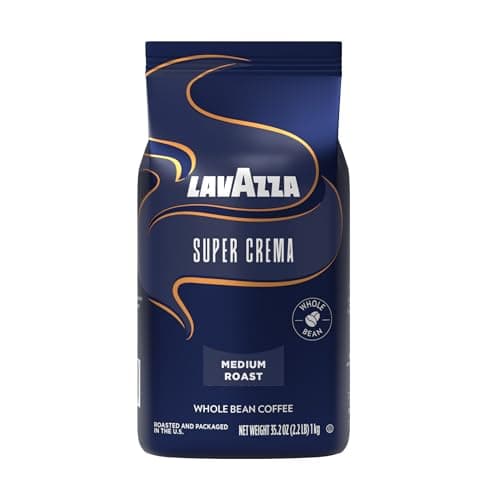
Here is what the "100% Arabica" badge doesn't tell you: classic Italian espresso blends have included 10-30% qualityrobusta for a century, on purpose. Robusta's contribution to espresso is real — thicker, more stable crema, a heavier body that punches through milk in a cappuccino, and the caffeine kick the Italian bar counter is built on. A bag like Lavazza's crema blends behaves the way it does partly because of the robusta. Commodity robusta earned the species its bad name; well-processed robusta is a legitimate ingredient.

What to buy

Drinking black, chasing flavor complexity — filter, pour-over, light-roast espresso: arabica, and the specialty bags that showcase it. Milk-drink espresso households wanting fat crema and traditional bar flavor: an arabica-robusta blend is genuinely the right tool (our espresso bean picks flag which is which). Maximum caffeine per cup: robusta-forward wins on chemistry — see the caffeine numbers. There is no wrong species, only wrong pairings.

Questions

Frequently asked

Is arabica better than robusta?
For aromatic, complex, sweet coffee — yes, decisively. But 'better' hides real robusta advantages: about double the caffeine, thicker crema, heavier body that survives milk, and lower cost. Specialty coffee is arabica's world; traditional espresso blends use robusta on purpose. Better-for-what is the honest question.
Does robusta really have twice the caffeine?
Roughly, yes — robusta runs about 2.2-2.7% caffeine by weight against arabica's 1.2-1.5%. Caffeine is a natural pesticide and robusta evolved more of it (part of why the plant is so hardy). It's also part of why robusta tastes more bitter: caffeine itself is bitter.
How do I know which species my bag is?
Specialty bags say "100% Arabica" loudly, and single-origin bags are essentially always arabica. Blends that don't specify — especially Italian-style espresso blends and anything emphasizing crema or intensity — usually include robusta. Thick, long-lasting crema from a modest machine is the tell in the cup.

Keep reading

Receipts

Sources

We do not run a testing lab, and we do not pretend to. Where a measured number came from a manufacturer spec sheet or a published standard, we name it and link it. Where we could not verify something, we say so on the page rather than quietly leaving it out. Read our full method.