The French press is the most honest brewer in the kitchen. There is no paper filter to catch your mistakes and no pressurized basket to force a result — just coffee steeping in hot water for four minutes, then a metal mesh pushed down to hold the grounds back. That simplicity is the whole appeal, and it is also why the press is merciless about one thing above all others: the grind. Get the grind right and a press makes a rich, heavy, deeply satisfying cup. Get it wrong and you drink mud.
French press wants a coarsegrind — coarser than almost anything else you brew, closer to coarse sea salt than to table salt. The reason is the mesh filter. A paper cone traps fine particles; a metal screen lets them through. Grind too fine and two bad things happen at once. First, the fines slip past the plunger and settle in the bottom of your cup as gritty silt — the "sludge" every press skeptic complains about. Second, those same tiny particles have enormous surface area, so across a long steep they over-extract into harsh bitterness while the coffee is still sitting in the water. A coarse, even grind keeps the particles above the mesh and extracting at a civilized pace.
This is exactly where a blade grinder wrecks a French press. A blade grinder does not grind to a size — it chops beans into a random mix of dust and boulders, and the press punishes both halves of that mess. The dust pours straight through the mesh and over-extracts into bitterness; the boulders sit there barely touched and give up nothing but sourness. You end up with a cup that is bitter, sour, andfull of silt, which is why so many people decide they "don't like French press" when what they actually don't like is a blade grinder. A burr grinder fixes all three faults at once with a single coarse setting you can dial in and repeat — we make the full case in burr vs blade.
It is worth being precise about how coarse. For a standard press you want particles around the size of coarse sea salt or raw sugar — grains you can see and feel individually, not a powder; cold brew goes coarser still. But coarseness on its own is not the goal, evenness at that coarseness is. A cheap grinder set to coarse can still throw a spray of fines alongside the big particles, and those fines are what cloud the cup and turn it bitter. That is the real gap between the grinders on this page and the bargain-bin burr grinders that look similar on a spec sheet: these hold their consistency when you open the burrs up wide, which is exactly where a press asks them to work.
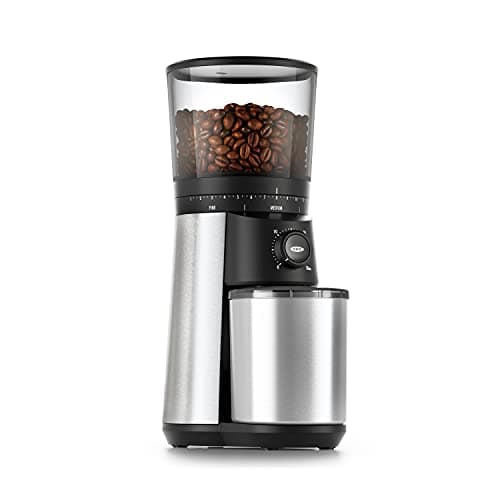
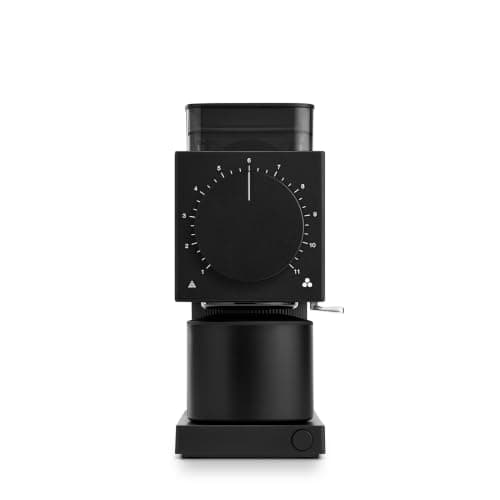
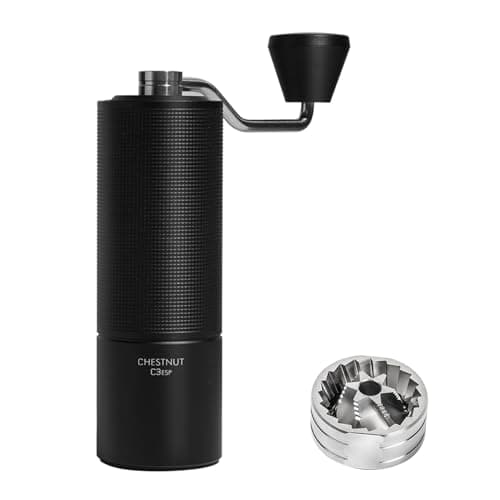
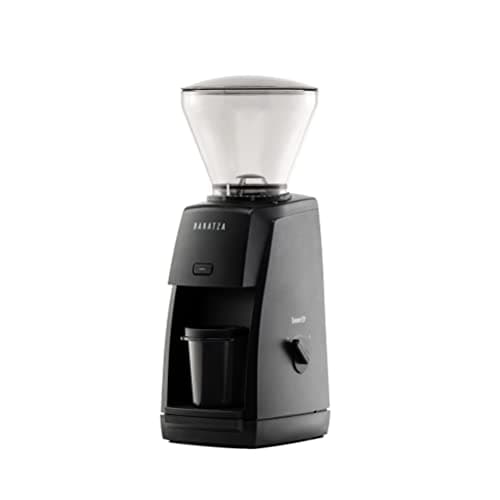
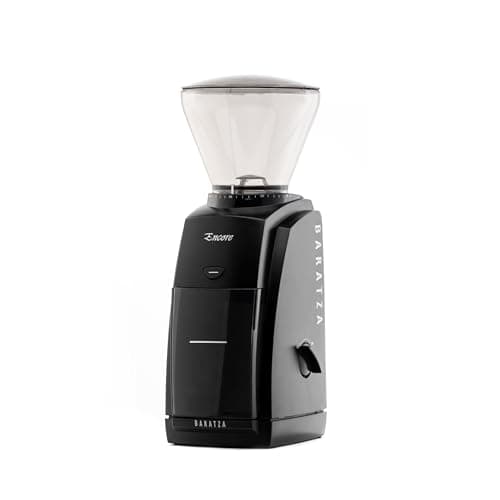
We ranked these five on the two things a press grinder is actually for: a genuinely coarse range, and consistency at that coarse end, because a lot of grinders get sloppier the coarser you push them. The plain Baratza Encore leads as the definitive filter-and-press workhorse — coarse, consistent, repairable, and priced for a first grinder. The OXO undercuts it as the cheapest sensible way off a blade grinder. The Fellow Ode Gen 2 is the splurge for press-and-pour-over obsessives who want flat-burr clarity and almost no fines. The TIMEMORE Chestnut C3 proves a hand grinder can out-grind electric boxes twice its price if you do not mind the crank. And the Encore ESP closes the list for anyone who wants their press grinder to also pull espresso someday.
None of these passed through our hands. We compiled the manufacturers' published specifications, reasoned through what each burr design does to a coarse grind, and priced everything live. Where a grinder's strength or weakness is a matter of design rather than a lab measurement — a filter grinder that will not reach espresso fineness, say — we say so plainly rather than pretend we ran it in a lab. Our full method is on how we research.
How to choose a grinder for French press
Once you have accepted that it must be a burr grinder, three things separate a great press grinder from a merely adequate one. Here they are, in the order that matters.
1. It has to reach a genuinely coarse grind
French press sits at the coarse end of the grind spectrum — well beyond drip or pour-over. Most burr grinders can technically get there, but a surprising number run out of useful travel at the top of their range, so "coarse" on the dial is really only medium-coarse in the cup. Every grinder on this page has real coarse range, which is the first box to tick. If you also make cold brew, you want that coarse range even more, because cold brew is coarser still.
2. Consistency at the coarse end, not just the middle
Here is the spec nobody prints. A lot of grinders are most consistent in the middle of their range and get sloppier toward coarse, throwing more fines exactly where a press can least afford them. This is where burr quality earns its keep. The Fellow Ode's 64mm flat burrs produce the cleanest coarse grind here with the fewest fines, which is why press purists pay for it; the Baratzas and the TIMEMORE are close behind and cost far less; the OXO is the honest budget floor. A cheap grinder that looks fine for drip can still dump silt into your press.
3. Do you brew anything other than press?
This is the money question, because a press-only grinder and a do-everything grinder cost different amounts. If you only ever brew filter methods — press, drip, pour-over, cold brew — the plain Encore or the OXO is all you need, and you can skip espresso range entirely. If there is any chance espresso enters your life, buy the Encore ESP now: a press grinder that also reaches espresso fineness is cheap insurance against buying a second grinder later, and the plain Encore and the OXO simply cannot grind fine enough for a shot. If value or travel is the priority, the TIMEMORE C3 hand grinder out-grinds electric boxes at the price and packs into a bag, at the cost of a morning arm workout.
Dialing in your press once the grinder is sorted
A good burr grinder does most of the work, but a few habits get the best out of it. Start coarse — coarser than you think you need — and only go finer if the cup tastes weak or thin. Weigh your coffee and water rather than eyeballing scoops; a press is forgiving, but starting around one gram of coffee to fifteen grams of water lands you in the zone, and you adjust from there with a simple ratio. Give it a four-minute steep, break the crust and skim the foam if you want a cleaner cup, then plunge slowly and stop just above the bed of grounds — driving the plunger all the way to the bottom stirs the fines you worked to avoid right back into the pour. Finally, keep the grinder clean: stale grounds and oils build up in the burrs and drag down both flavor and consistency over time, so clean it on a schedule. Coarse, even, weighed and gently plunged is the whole recipe — the grinder is simply what makes "even" possible.
The five picks, in brief
Baratza Encore — the workhorse and our top press pick. Consistent across the whole filter range, repairable for years, and priced as a sensible first grinder. Buy it if you brew by gravity and want the last grinder decision you make for a decade.
OXO Brew Conical — the budget champion. A real burr grind for less than the Baratza, with a built-in timer for repeatable dosing. It is the cheapest sane way off a blade grinder for press and drip; just do not expect it to do espresso.
Fellow Ode Gen 2 — the splurge. Its 64mm flat burrs give the cleanest, most fines-free coarse grind on this page, and single-dosing means almost no stale carry-over. It is a filter specialist that refuses to do espresso — and it is better for it.
TIMEMORE Chestnut C3 — the value and travel pick. A hand grinder whose stainless burrs shame electric boxes twice the price, coarse enough for a great press and fine enough for espresso in the ESP version. You are the motor, which is the whole catch — the full case is in our Chestnut C3 review.
Baratza Encore ESP — the do-both option and our overall top grinder. Everything the plain Encore does for filter, plus the fine range to actually pull espresso; our Encore ESP review has the full verdict. Buy it over the plain Encore the moment there is any chance a machine joins your kitchen. Whatever you pick, keep it clean — old grounds and oils blunt both flavor and consistency, so clean your grinder regularly, and dial in your brew with a sensible coffee-to-water ratio.