Espresso and drip coffee both start with ground coffee and hot water, but almost everything after that is different. Espresso forces hot water through finely ground coffee under high pressure in about half a minute, producing a tiny, intense, concentrated shot. Drip coffee lets hot water fall through a bed of medium-ground coffee under nothing but gravity, producing a full, mild mug you can drink by the cupful. They are not really competitors so much as two different answers to the question of how you want your coffee — and this guide lays out exactly how they differ on method, grind, strength, caffeine, and cost.
The quick answer
Espressois a small, concentrated, high-pressure shot — intense flavor and body in 1 to 2 ounces, topped with crema, and the base for lattes and cappuccinos. Drip coffeeis a larger, milder, gravity-brewed mug — smooth and easy to drink black, made in bigger batches with far less equipment. Espresso is more concentrated per ounce, but because a drip cup is so much bigger, a full mug of drip usually carries more total caffeine than a single shot. Neither is simply better; they suit different habits.
How each is made: pressure vs gravity
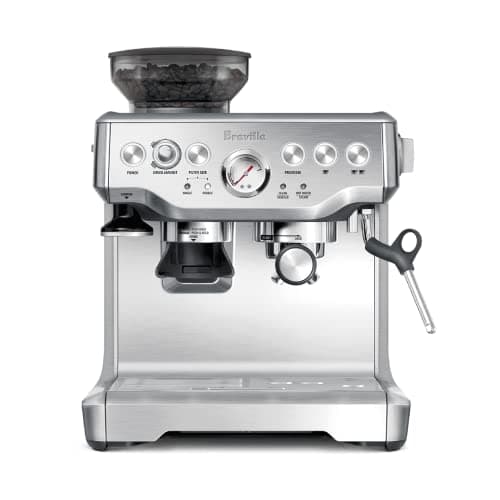
This is the core difference. Espresso uses pressure — an espresso machine forces hot water through a compacted puck of finely ground coffee at roughly nine bars of pressure, extracting a shot in about 25 to 30 seconds. That pressure pulls out a concentrated dose of flavor, body, and oils, and produces the layer of crema on top. Drip coffee uses gravity — a drip coffee maker heats water and lets it fall slowly through medium-ground coffee in a filter, dripping into a carafe below over several minutes. No pressure, no crema, just a clean, gentle extraction.
Grind
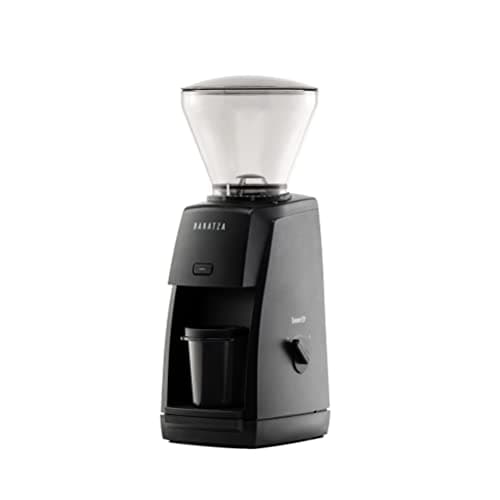
The methods demand very different grinds. Espresso needs a finegrind so the compacted puck creates enough resistance for the pressurized water to build against — too coarse and the shot gushes through weak and sour. Drip needs a mediumgrind, roughly the texture of table salt, so gravity-fed water flows through at the right pace — too fine and it clogs and over-extracts, too coarse and it runs through thin. A capable grinder that can hit both settings is one of the best upgrades for either method, since grind consistency drives quality more than almost anything else.
Strength and concentration
"Strong" means two different things here. Espresso is far more concentrated— a lot of dissolved coffee packed into a small volume, which is why it tastes so intense and syrupy. Drip coffee is more diluteper ounce but served in a much larger volume, so the total amount of coffee you drink can be similar or greater. Sip for sip, espresso is bolder and more concentrated; cup for cup, a mug of drip delivers more liquid and often more total caffeine. This is exactly why calling one "stronger" than the other is misleading — it depends on whether you mean per ounce or per serving.
Caffeine per serving
The numbers follow the volume. Per ounce, espresso is very caffeine-dense: USDA FoodData Central lists a 1-ounce espresso at around 63 mg, so a 2-ounce double shot lands near 125 mg. But a serving of espresso is tiny. A drip cup is much larger — the FDA notes that a typical 8-ounce cup of coffee contains roughly 80 to 100 mg of caffeine, and many people drink 12 ounces or more at once. So while espresso wins on caffeine per ounce, a full mug of drip usually carries as much or more total caffeine than a single shot. Our how much caffeine is in espresso and how much caffeine is in coffee guides break down the figures.
Cost and equipment
The gear gap is real. A capable drip coffee maker is inexpensive and easy to live with, and even a good one plus a grinder is an affordable setup. Espresso is the pricier path: a machine that holds pressure and temperature, plus a grinder that can produce a fine, even, adjustable grind, adds up to a bigger investment — and espresso is far less forgiving, so a cheap grinder undermines the whole thing. That said, pulling your own shots at home is dramatically cheaper per drink than buying lattes out. Drip wins on upfront cost and simplicity; espresso costs more to set up but unlocks the whole world of milk drinks.
Side by side
| | Espresso | Drip coffee |
|---|
| Brew force | ~9 bars of pressure | Gravity |
| Grind | Fine | Medium |
| Brew time | ~25-30 seconds | A few minutes |
| Serving size | 1-2 oz shot | 8-12+ oz mug |
| Concentration | Very high per ounce | Milder, larger volume |
| Caffeine per serving | ~63 mg per oz (USDA); ~125 mg per double | ~80-100 mg per 8 oz (FDA); more in a big mug |
| Cost to set up | Higher (machine + capable grinder) | Lower and simpler |
The verdict: which should you choose?
Choose espresso if you love an intense, concentrated shot, if you want to make lattes, cappuccinos, and other milk drinks at home, and if you are willing to invest in a machine and a good grinder and learn to dial in a shot. Choose drip coffeeif you want an easy, affordable way to brew several good cups at once, prefer a milder mug you can drink black by the cupful, and value simplicity and low cost. Many households happily keep both — a drip maker for everyday volume and an espresso setup for milk drinks and weekend shots. For the broader picture of how brew method shapes the cup, see our coffee vs espresso comparison.
Setting yourself up for each
Espresso and drip need very different equipment and budgets. Here is what to prioritize depending on which you want — or both.
If you want espresso
Espresso is the more demanding setup. It stands on an espresso machine that holds steady pressure and temperature and a grinder that can produce a fine, even, adjustable grind. Of the two, the grinder is often the higher-leverage upgrade, because espresso is unforgiving of uneven grounds. Once you have the gear, dial in a sweet shot with our how to make espresso at home guide.
If you want drip
Drip is the affordable, low-fuss winner. A good drip coffee maker brews several cups at once with almost no technique, and pairing even a modest machine with a burr grinder and fresh beans gets you a genuinely great mug. The main variables are a medium grind and a measured coffee-to-water ratio, both easy to control.
Beans for each
Both taste best with fresh, whole beans, but you can lean the roast to the method. Espresso often shines with a medium to darker roast that gives body and sweetness under pressure, while drip is happy across the roast spectrum — a medium roast is a versatile default. Grind fine for espresso and medium for drip, and explore roasts in our coffee beans guide.