Puck prep is everything you do to the coffee between the grinder and the tamp — and it is where more shots are saved or lost than most beginners realize. The goal is one thing: a uniform bed of grounds so that when the pump pushes water through, it meets even resistance everywhere and flows through the whole puck at the same rate. When the bed is uneven — clumpy, tilted, or dense in one spot — water does what water always does and finds the path of least resistance, blasting a channel through the weak point and barely touching the rest. That is channeling, and it is the single most common cause of a sour, thin, disappointing shot from good beans and a good machine. The tools on this page all attack that problem, but they do not attack it equally, so we have ranked them by honest impact rather than by price or novelty.
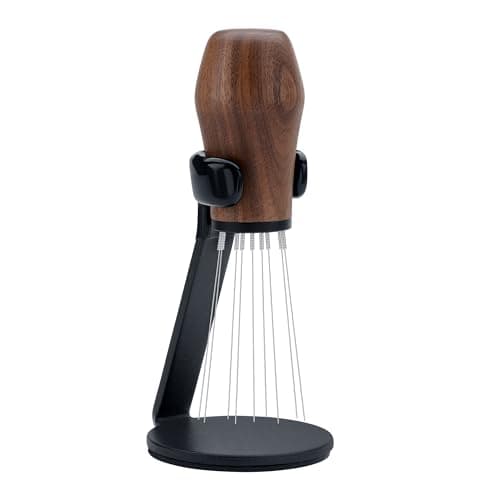
The most important tool by a wide margin, and our top pick, is a WDT tool — the Normcore WDT Distribution Tool here. WDT stands for the Weiss Distribution Technique, and the tool is simply a cluster of very fine needles you stir gently through the dry grounds in the basket before you tamp. That stirring breaks up the clumps that grinders throw out and dissipates the static that makes grounds stick together, leaving a fluffy, evenly distributed bed with no dense knots for water to avoid. Breaking up those clumps is the biggest single anti-channeling win available, which is why the WDT tool is the highest impact-per-dollar upgrade in all of espresso. It works with any machine and any basket size, so it is never obsolete, and it costs very little. Its only real downsides are that it adds a few seconds of prep to every shot and that the fine needles will bend if you are rough with them. If you buy one thing from this page, buy this.
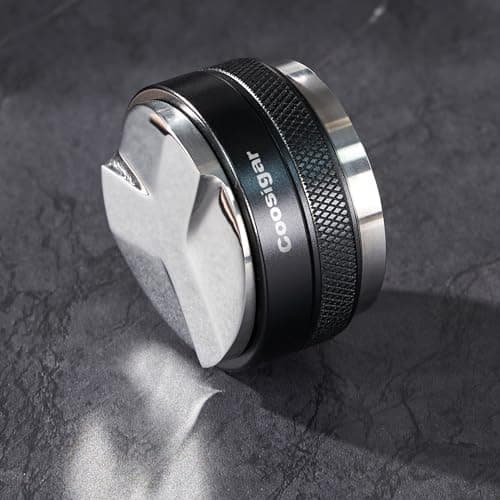
Second is a distributor or leveler — the 58mm Dual-Head Distributor & Leveler here. This is a shallow spinning tool you set on top of the basket and twist, and it evens out the surface of the coffee bed, flattening the mound the grinder leaves and gently compacting the top so your tamp lands square. That is a genuine, cheap improvement — a level surface tamps more evenly than a sloped one — but it is important to be honest about its limit: a distributor works on the top of the bed and does not reach the clumping underneath. It smooths the surface; it does not fix the internal structure the way a WDT tool does. That is why it ranks second and why it is best thought of as a partner to a WDT tool rather than a replacement for one. Its adjustable depth lets you match it to your dose, and it costs little; the trade-off is that once you already own a WDT tool and a good tamper, a distributor adds the least of the three.
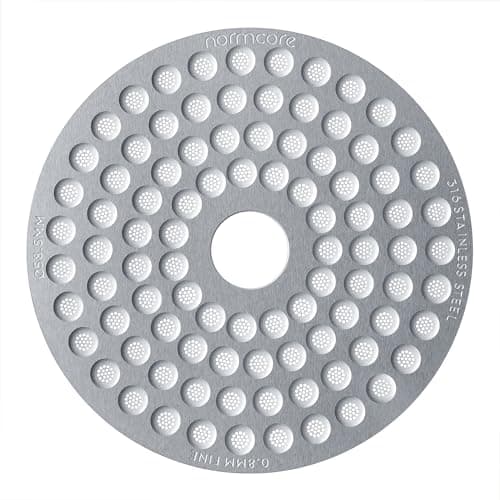
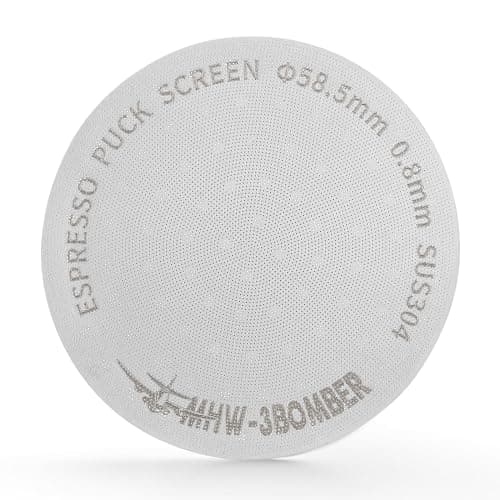
Third and fourth are puck screens, and here is where expectations need managing most, because they are the tool people most often misunderstand. A puck screen is a thin, reusable steel disc you place on topof the tamped puck before you lock in the portafilter. What it actually does is keep the group head clean: it stops coffee grounds from migrating up onto the machine's shower screen, so there is far less to wipe and backflush after each shot, and it can marginally even out the last of the flow at the very top of the puck. That is a real, worthwhile convenience — but it is convenience, not a taste fix. A puck screen will not rescue a channeling shot, fix a bad grind, or make a sour espresso sweet. Anyone buying one hoping for a flavor upgrade will be disappointed; buy it to keep your machine cleaner with less effort, which it genuinely does.
Between the two puck screens, the Normcore 58.5mm Puck Screen is the pick if you want the more refined build — cleanly finished 316 stainless that will last effectively forever. The MHW-3BOMBER 58.5mm Puck Screen is the value choice: it does the identical core job — a cleaner group head and less backflushing — for a little less, is often sold in multipacks so you always have a spare, and its dual-layer steel holds up fine to daily use. Honestly, for a disc that lives hidden under the group head and only has to survive being rinsed, the MHW does the same work as the Normcore; pick the Normcore if a nicer finish matters to you, the MHW if you would rather save the money. Both come in the 58.5mm size for standard 58mm baskets, so check that your machine takes that before you buy.
Put the honest order together and it makes spending decisions easy. The WDT tool is the one that changes how your espresso tastes, because it attacks channeling at its root — buy it first, and if you only ever buy one puck-prep tool, make it this. A distributor is a nice, cheap second step that levels the surface and squares up your tamp, most worthwhile if your grinder leaves a very uneven mound. A puck screen is the third-tier, keep-it-clean convenience item — pleasant to own, easy to justify at the price, but never confuse it for a shot fix. And remember that all of this is puck prep, not magic: no tool here can compensate for an inconsistent grinder or an untuned recipe. Puck prep makes a good grind pour evenly; it cannot turn a bad grind into a good shot. Pair these tools with a proper espresso grinder, a calibrated tamper, and a dialing-in routine, and the whole puck — top to bottom — starts working with you instead of against you.
How to choose puck-prep tools — in the order that matters
The whole point of ranking these by impact is that it tells you what to buy and when. Work down the list in order; do not skip to the shiny disc before you own the tool that actually changes the shot.
1. Start with a WDT tool — always
If your budget stretches to exactly one puck-prep tool, it is a WDT tool, no debate. Breaking up clumps and static before you tamp is the single biggest anti-channeling win in espresso, and it delivers it for the lowest cost of anything here. Look for fine needles (thinner needles stir more gently and distribute better than thick ones), a stand so it is not rolling around your bench, and a comfortable handle. The tool is universal — it fits any basket size and any machine — so it never goes out of date when you upgrade your gear. The only technique note: stir gently and reach the bottom of the bed without gouging, and do not force the fine needles or they bend.
2. Add a distributor only if your bed is uneven
A distributor or leveler is a worthwhile second buy, but be clear on what it fixes: it evens the surface of the bed and squares up your tamp, and it does nothing for the clumping underneath that the WDT tool already handled. It earns its place most if your grinder dumps a lumpy, sloped mound into the basket. Two things to check before buying: size(it must match your basket — a 58mm tool is useless on a 54mm Breville or a 51mm De'Longhi) and adjustable depth (so you can set it to your dose rather than over-compressing a light one). If you already run a WDT tool and a calibrated tamper, a distributor adds the least of the three — buy it for the level surface, not expecting a big change in the cup.
3. Treat a puck screen as cleanliness, not flavor
Buy a puck screen for the right reason and you will be happy; buy it as a taste upgrade and you will not. Its real job is keeping grounds off your machine's shower screen, so you wipe and backflush far less — a genuine daily convenience and, being reusable steel, one that pays for itself against constant cleaning. It can slightly even the flow at the very top of the puck, but it will not fix channeling, a bad grind, or a sour shot; those are jobs for the grinder and the WDT tool. If your priority is a cleaner group head with less effort, a puck screen is an easy yes. If your priority is a better-tasting espresso, spend the money higher up this list first.
4. Match every tool to your basket size
This is the mistake that fills the returns bin. A distributor, a tamper, and a puck screen are all size-specific, and the three common sizes are 58mm (most prosumer machines and the Normcore and MHW screens here), 54mm (Breville / Sage), and 51mm(many budget De'Longhi and Casabrews machines). Measure your portafilter basket before you buy anything that sits inside or on top of it — a 58mm leveler will not work in a 54mm basket, and the wrong-size tamper is the single most returned espresso accessory there is. A WDT tool is the happy exception: it works in any basket, which is one more reason it is the safe first buy.
5. Spend in order of impact, not novelty
The clean summary: WDT tool first because it fixes channeling at the root and changes the cup; distributor next for a level surface and a square tamp, most useful with a mound-throwing grinder; puck screen last for a cleaner machine and less backflushing. None of these substitutes for the fundamentals — a consistent grind, an even tamp, and a dialed recipe do the heavy lifting, and puck-prep tools make a good grind pour evenly rather than turning a bad one good. Buy in this order, skip anything that does not match your basket, and you will feel each purchase earn its keep instead of stacking a drawer of gadgets that all promise the same shot. For the tamping half of the equation, our espresso tamping guide is the next read.