Skip to content
Bean & Burr

HUB 05 · Coffee Beans

The Best Coffee for a Moka Pot

A moka pot brews at one or two bar, not nine, and that single fact decides which beans work in it. Seven that do, and the grind and heat rules that matter more than the bag.

By Stephen V.Updated How we research
#ad

We earn a commission when you buy through our Amazon links, at no extra cost to you. It never affects our rankings, and we say so when the cheaper product is the better buy. How this works.

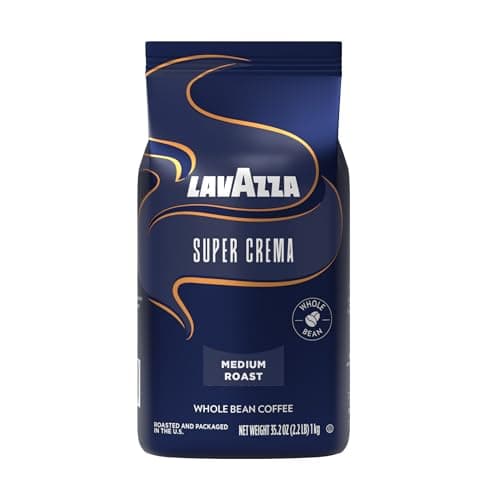
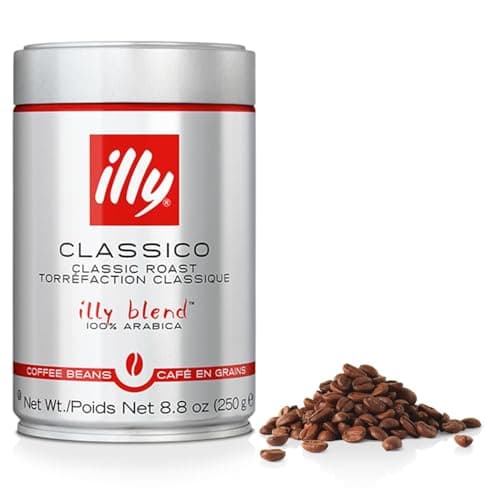
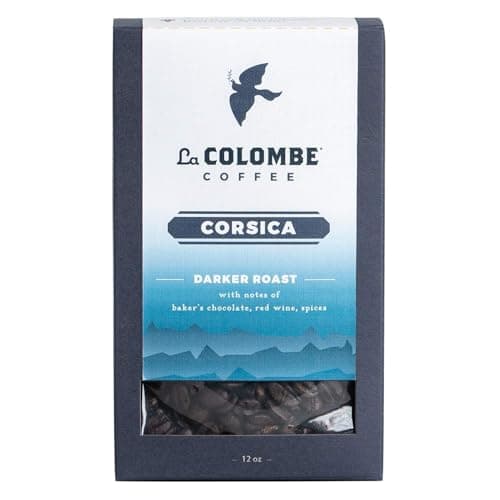
Buy Lavazza Super Crema if you want one bag that makes good moka coffee without any thought: it is a medium espresso roast with Robusta in the blend, which is exactly the profile a moka pot flatters, and it is forgiving of the heat mistakes everyone makes at first. If you find Robusta blends heavy, Illy Classicois the smoother all-Arabica answer and arrives in a pressurized can that keeps it fresh longer than a paper bag. And if you want a specialty roaster's version of the same idea, La Colombe Corsica is a dark roast with real nuance rather than char.

Here is the mechanical fact that decides this entire page, and most moka-pot bean guides skip it: a moka pot is not an espresso maker.Steam pressure in the base pushes water up through the grounds at roughly one to two bar. Espresso is brewed at about nine. That lower pressure, combined with water that arrives hot and keeps climbing while it brews, produces a concentrated, heavy, slightly roasty cup with no real crema — and it means the beans that shine in a moka pot are not the same as the beans that shine in a pour-over. Moka pot vs espresso machine is the full comparison if you are still deciding between them.

Three consequences follow, and they are the whole buying rule:

1. Medium to dark espresso roasts work best.A moka pot's brew is short, concentrated and brewed hot, which emphasizes body and roast character and does very little for delicate acidity. Beans roasted for espresso are blended to taste balanced under exactly those conditions. That is why four of the seven picks below are explicitly espresso blends, and why the roasters themselves describe them that way.

2. Light, bright single origins usually disappoint.This is the most common moka pot complaint we see and it is almost always a bean mismatch rather than a brewing failure. A light-roasted Ethiopian is built around floral and citrus acidity that a moka pot cannot articulate; brewed this way it reads as thin and sharp, and the obvious response — more heat, finer grind — pushes it to harsh instead. If you love those coffees, brew them in a pour-over and keep an espresso blend for the moka.

3. A little Robusta is an advantage here, not a compromise.In specialty coffee Robusta has a poor reputation, much of it earned. In a moka pot its thicker body and more stable foam are genuinely useful, and its lower perceived acidity suits the brew method. Lavazza's Super Crema and Gran Crema both use it deliberately, and both are among the most popular moka coffees in Italy for that reason.

The seven, and who each is for

Lavazza Super Cremais the default and the pick for most people. Medium espresso roast, Arabica with Robusta, mild and nutty and low in acid, in a 2.2 lb bag that makes the per-pound cost one of the best here. Its forgiveness is the point: moka pots punish inattention, and this bean tastes pleasant even when you leave it on the heat thirty seconds too long. The honest con is the other side of the same coin — mild means it does not have much to say, so if you want character, look further down.

Illy Classicois the smooth pick. 100% Arabica gives a cleaner, less bitter cup than the Robusta blends, illy's consistency is genuinely remarkable from can to can, and the pressurized can is a real freshness advantage over bags that have sat on a shelf. Against: the price per pound is higher, and the cup is lighter in body than a moka drinker who likes it thick might want.

La Colombe Corsicais the pick if you love dark roast but hate burnt. It is a specialty roaster's dark — deep and chocolatey with the full body a moka pot loves, but cleaner and less charred than commodity dark blends. It costs more than the grocery-shelf darks and it is unapologetically a dark roast, so brightness is subdued by design.

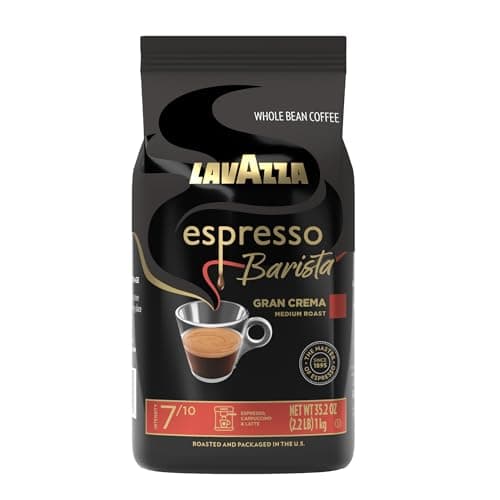
Lavazza Gran Cremais Super Crema's slightly bolder sibling: a bit more body and intensity, the same forgiving crema, the same big-bag value. The two are close enough that the sensible advice is to buy whichever is cheaper the week you order.

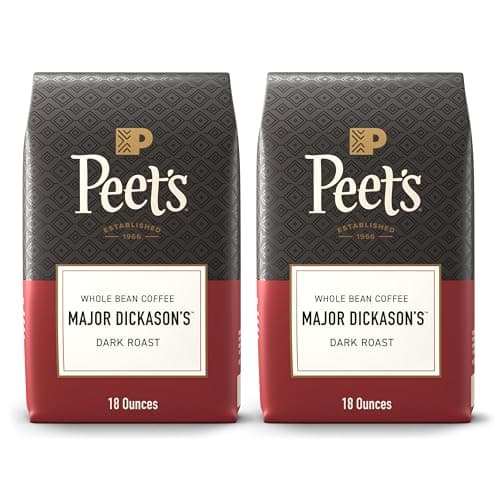
Peet's Major Dickason's Blendis the dark-roast benchmark and the pick for milk. If your moka pot output goes into a mug with hot milk — which in Italy is most of it — you want a coffee that still tastes of coffee through dairy, and this is the most reliably available bean that does. Dark roasting flattens origin character, so you taste roast more than bean; that is the trade. It is also the right bag for a cafe au lait, which is the same idea scaled up.

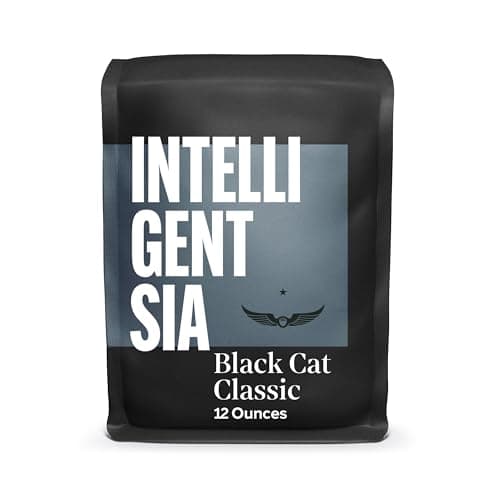
Intelligentsia Black Cat Classic Espressois the specialty pick. It is blended and roasted specifically for espresso, so it is sweet and syrupy under pressure rather than sour or ashy, and it has enough complexity to reward a careful brew. It is less forgiving than the Lavazza blends — sloppy heat management shows — and it is at its best within a few weeks of roasting.

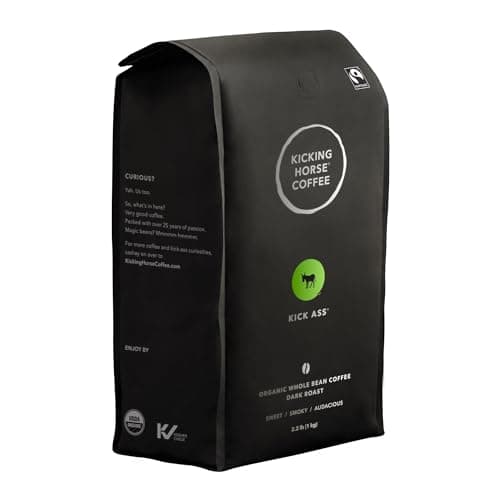
Kicking Horse Kick Ass closes the list as the certified-organic answer: organic and Fairtrade, a bold chocolatey dark roast, in a 2.2 lb bag at a fair price. It is bold enough that under-dosing leaves it tasting harsh, which in a moka pot means filling the basket properly rather than scooping light.

What we did not pick, and why.We have not recommended a light-roast single origin for a moka pot, because we do not think one belongs there — see the reasoning above, and light vs dark roastfor the broader version. We also have not recommended pre-ground "espresso" coffee, including the moka-specific grinds sold in Italian supermarkets. They are convenient and they are stale: ground coffee loses most of what makes it interesting within days of the bag opening, and the moka pot's short, concentrated brew shows that off clearly. Whole bean vs ground has the arithmetic. If low acidity is your specific reason for asking, our best low-acid coffee page and the Lifeboost reviewcover that separately — a dark espresso blend is usually the cheaper route to the same result.

The short answer

Quick picks

#ProductBest forScorePrice
01
Lavazza Lavazza Super Crema Whole Bean (2.2 lb)
Lavazza Super Crema Whole Bean (2.2 lb)

The default first espresso bean. Forgiving, creamy, cheap by the pound, and everywhere.

Your first espresso beans
8.3
$21.49Amazon
02
illy Illy Classico Whole Bean
Illy Classico Whole Bean

The polished, consistent 100% Arabica option. Smoother and cleaner than the Robusta blends.

A smooth all-Arabica espresso
7.8
$12.81Amazon
03
La Colombe La Colombe Corsica (Dark Roast)
La Colombe Corsica (Dark Roast)

A specialty take on dark roast — chocolatey and full-bodied without the burnt edge.

Dark-roast depth with specialty quality
8.0
$10.96Amazon
04
Lavazza Lavazza Gran Crema Whole Bean (2.2 lb)
Lavazza Gran Crema Whole Bean (2.2 lb)

Super Crema's slightly bolder sibling — a touch more intensity, same forgiving crema.

A bolder everyday espresso blend
8.3
$22.99Amazon
05
Peet's Coffee Peet's Major Dickason's Blend (Dark Roast)
Peet's Major Dickason's Blend (Dark Roast)

The dark-roast benchmark. Big, rich, and built to punch through milk in any brewer.

Dark-roast lovers and milk drinks
8.3
$26.30Amazon
06
Intelligentsia Intelligentsia Black Cat Classic Espresso
Intelligentsia Black Cat Classic Espresso

A specialty espresso bean built for the shot. Sweet, syrupy, and genuinely great in a machine.

Specialty espresso, dialed for the machine
8.3
$13.05Amazon
07
Kicking Horse Kicking Horse Kick Ass (Dark Roast, Organic)
Kicking Horse Kick Ass (Dark Roast, Organic)

A punchy organic dark roast that's become the default certified-organic pick for a reason.

The best all-round organic coffee
8.5
$31.99Amazon

#ad · Live prices from the Amazon Product API, as of October 7, 2026. Where we have no verified live price, we show none — we would rather leave a gap than print a number that has rotted.

In detail

The picks, in full

01
Lavazza Lavazza Super Crema Whole Bean (2.2 lb)

Your first espresso beans

Lavazza Super Crema Whole Bean (2.2 lb)

Medium espresso roastArabica + Robusta blend2.2 lb bagMild & creamy
8.3/10

The default first espresso bean. Forgiving, creamy, cheap by the pound, and everywhere.

Flavor
7
Espresso suitability
9
Versatility
8
Value
9

Pros

  • The Robusta in the blend gives a thick, stable crema that's very forgiving while you learn to dial in
  • Mild, nutty, and low-acid — it makes a pleasant shot even when your technique is still rough
  • A 2.2 lb bag is excellent value, and it's stocked almost everywhere so you're never out

Cons

  • Forgiving and mild also means it lacks the bright, complex character of a specialty single origin
  • Supermarket bags can sit a while — check the roast date when you can

Don't buy this if…

…you want bright, fruity, third-wave flavors. Super Crema is deliberately mellow — for character, buy fresher specialty beans like Stumptown or Intelligentsia.

$21.49View on Amazon

$26.9920% off

Price as of October 7, 2026. Prices change — Amazon's is the one that counts.

#ad · we may earn a commission from this link to Lavazza Super Crema Whole Bean (2.2 lb)

02
illy Illy Classico Whole Bean

A smooth all-Arabica espresso

Illy Classico Whole Bean

100% ArabicaMedium roastPressurized canNotes of caramel & blossom
7.8/10

The polished, consistent 100% Arabica option. Smoother and cleaner than the Robusta blends.

Flavor
8
Espresso suitability
8
Versatility
8
Value
7

Pros

  • 100% Arabica gives a smoother, cleaner, less bitter shot than the Robusta-blended crema beans
  • illy's consistency is legendary — the can tastes the same every time, which some people value above all else
  • The pressurized can keeps the beans fresh longer than a paper bag on a shelf

Cons

  • All-Arabica means a thinner, more delicate crema than the Lavazza blends
  • Sold in smaller cans, so the price per pound is higher

Don't buy this if…

…you want maximum crema for milk drinks on a budget. The Robusta in Lavazza Super Crema makes thicker crema for less money — illy is about smoothness, not thickness.

$12.81View on Amazon

$14.9915% off

Price as of October 7, 2026. Prices change — Amazon's is the one that counts.

#ad · we may earn a commission from this link to Illy Classico Whole Bean

03
La Colombe La Colombe Corsica (Dark Roast)

Dark-roast depth with specialty quality

La Colombe Corsica (Dark Roast)

Dark roastWhole beanBaker's chocolate & red wine notesFull-bodied
8.0/10

A specialty take on dark roast — chocolatey and full-bodied without the burnt edge.

Flavor
8
Espresso suitability
8
Versatility
8
Value
8

Pros

  • The specialty-roaster version of a dark roast — deep and chocolatey but cleaner and less charred than commodity dark blends
  • Full body makes it excellent in espresso and superb with milk
  • A refined step up from Peet's for people who love dark but want more nuance

Cons

  • Pricier than the grocery dark roasts
  • Still a dark roast, so origin brightness is deliberately subdued

Don't buy this if…

…you want bright, acidic, fruity coffee. Corsica is firmly in dark-and-chocolatey territory — a light roast like Intelligentsia Black Cat is the other direction.

$10.96View on Amazon

$12.8915% off

Price as of October 7, 2026. Prices change — Amazon's is the one that counts.

#ad · we may earn a commission from this link to La Colombe Corsica (Dark Roast)

04
Lavazza Lavazza Gran Crema Whole Bean (2.2 lb)

A bolder everyday espresso blend

Lavazza Gran Crema Whole Bean (2.2 lb)

Medium espresso roastBlend2.2 lb bagFuller body
8.3/10

Super Crema's slightly bolder sibling — a touch more intensity, same forgiving crema.

Flavor
7
Espresso suitability
9
Versatility
8
Value
9

Pros

  • A bit more body and intensity than Super Crema while staying easy to pull
  • Same generous crema that flatters a beginner's shot and cuts through milk
  • Same strong per-pound value in a big bag

Cons

  • Still a mellow commercial blend, not a bright specialty coffee
  • Very close to Super Crema — the choice between them is a small matter of taste

Don't buy this if…

…you already like Super Crema. The difference is marginal — don't overthink it, just buy whichever is cheaper that week.

$22.99View on Amazon

Price as of October 7, 2026. Prices change — Amazon's is the one that counts.

#ad · we may earn a commission from this link to Lavazza Gran Crema Whole Bean (2.2 lb)

05
Peet's Coffee Peet's Major Dickason's Blend (Dark Roast)

Dark-roast lovers and milk drinks

Peet's Major Dickason's Blend (Dark Roast)

Dark roastWhole bean blendBold & full-bodiedWidely stocked
8.3/10

The dark-roast benchmark. Big, rich, and built to punch through milk in any brewer.

Flavor
8
Espresso suitability
8
Versatility
9
Value
8

Pros

  • A deep, rich, full-bodied dark roast that stands up to milk and works in espresso, drip, or press alike
  • The go-to for anyone who finds lighter roasts too sour or thin
  • Reliable, everywhere, and reasonably priced for the quality

Cons

  • Dark roasting flattens the origin character — you taste the roast more than the bean
  • Too bold and roasty for anyone chasing bright, fruity notes

Don't buy this if…

…you like light, bright, fruit-forward coffee. Major Dickason's is the opposite by design — reach for Intelligentsia Black Cat or Stumptown instead.

$26.30View on Amazon

$33.7222% off

Price as of October 7, 2026. Prices change — Amazon's is the one that counts.

#ad · we may earn a commission from this link to Peet's Major Dickason's Blend (Dark Roast)

06
Intelligentsia Intelligentsia Black Cat Classic Espresso

Specialty espresso, dialed for the machine

Intelligentsia Black Cat Classic Espresso

Espresso-focused100% ArabicaSweet & syrupySpecialty roaster
8.3/10

A specialty espresso bean built for the shot. Sweet, syrupy, and genuinely great in a machine.

Flavor
9
Espresso suitability
9
Versatility
7
Value
8

Pros

  • Blended and roasted specifically for espresso, so it's balanced and sweet as a shot rather than sour or ashy
  • Enough complexity to reward a dialed-in setup while staying approachable
  • A specialty roaster's espresso at a price that undercuts a lot of the competition

Cons

  • As a specialty medium it's less forgiving of bad technique than a Robusta crema blend
  • Freshness matters — it's at its best within a few weeks of roasting

Don't buy this if…

…you want thick crema and total forgiveness while you learn. This rewards a decent setup — begin on Lavazza Super Crema and come here once your shots are consistent.

$13.05View on Amazon

$14.9913% off

Price as of October 7, 2026. Prices change — Amazon's is the one that counts.

#ad · we may earn a commission from this link to Intelligentsia Black Cat Classic Espresso

07
Kicking Horse Kicking Horse Kick Ass (Dark Roast, Organic)

The best all-round organic coffee

Kicking Horse Kick Ass (Dark Roast, Organic)

Dark roastOrganic + Fairtrade + Kosher2.2 lb bagWhole bean
8.5/10

A punchy organic dark roast that's become the default certified-organic pick for a reason.

Flavor
8
Espresso suitability
8
Versatility
9
Value
9

Pros

  • Certified organic and Fairtrade at a genuinely fair price, in a big 2.2 lb bag
  • A bold, chocolatey dark roast that works everywhere from drip to espresso
  • One of the most trusted organic brands, widely stocked

Cons

  • A dark roast, so origin brightness is subdued — not for light-roast fans
  • Bold enough that under-dosing leaves it tasting harsh

Don't buy this if…

…you want a light, bright organic coffee. Kick Ass is firmly dark — reach for a lighter organic single origin instead.

$31.99View on Amazon

$43.9927% off

Price as of October 7, 2026. Prices change — Amazon's is the one that counts.

#ad · we may earn a commission from this link to Kicking Horse Kick Ass (Dark Roast, Organic)

The grind, the dose and the heat — which matter more than the bag

You can buy the best bean on this page and make bad coffee with it. These four habits fix more moka pot complaints than switching beans ever will.

1. Grind finer than drip, coarser than espresso

This is the single most important setting and it has a narrow window. Too coarse and water rushes through at low pressure, giving a weak, hollow cup. Too fine and the basket chokes, pressure builds, and the pot spits bitter coffee — the classic moka failure. Aim for something like fine table salt: visibly finer than drip grind, clearly coarser than the flour-like powder espresso wants. Our coffee grind size chart puts moka next to every other method on one page, and a burr grinderis what makes the setting repeatable — a blade grinder produces both extremes at once, which is why blade-ground moka coffee is simultaneously weak and bitter.

2. Fill the basket level, and do not tamp

Fill the funnel basket to the top and level it off with a finger. Do not tamp it: a moka pot generates one to two bar, and a compressed puck at that pressure chokes the flow instead of improving extraction. Under-filling is the other common error — a half-full basket leaves headroom that lets steam blow past the coffee, which gives you a thin cup from a good bean.

3. Start with hot water and use medium heat

Filling the base with already-hot water is the most effective single change most people can make. It shortens the time the coffee spends sitting above a heating boiler, which is where the stewed, bitter flavors come from. Then keep the burner at medium rather than high: you want a slow, steady stream climbing into the top chamber, not a violent sputter. The National Coffee Association puts the useful extraction window at 195 to 205°F, and a moka pot run hard overshoots it.

4. Take it off the heat before it gurgles

The gurgle is steam arriving after the water has gone, and everything it pushes through is harsh. Pull the pot off at the first sound — or just before — and run the base under a cold tap for a second or two to stop the brew. If the coffee tastes burnt rather than merely strong, this and the heat setting are the two causes, in that order, long before the beans are to blame.

5. Clean the pot, and never with soap-and-forget

Coffee oils build up in a moka pot's funnel, gasket and column and go rancid, and a stale pot taints every brew regardless of bean. Rinse it with hot water after each use, dry it so the aluminum does not corrode, and replace the rubber gasket when it hardens — a tired gasket leaks pressure and is a quiet cause of weak coffee. How to clean a moka pot is the full routine.
How we picked

We do not run a testing lab

We compiled published manufacturer specifications, computed what each option costs to run where relevant, and cross-referenced aggregated owner reviews, then scored each product against a published rubric. The scores are judgments from documented research — they are not measurements we took, because we do not have a lab and we are not going to pretend we do. Where a number came from a manufacturer or a standard, we name it in Sources.

Questions

Frequently asked

What kind of coffee should I use in a moka pot?
A medium to dark roast blended for espresso, ground finer than drip but coarser than espresso, and bought whole-bean. The reason is mechanical: a moka pot brews at roughly one to two bar with water that keeps heating as it brews, which rewards body and roast character and does little for delicate acidity. Lavazza Super Crema is the safest first bag; Illy Classico is the smoother all-Arabica alternative. Light, bright single origins are the main thing to avoid — see light vs dark roast.
Can I use espresso beans in a moka pot?
Yes - and you generally should. 'Espresso beans' are not a different bean, they are beans roasted and blended to taste good brewed short and concentrated under pressure, which is close enough to what a moka pot does that the match works well. What you must not do is use espresso-GRIND coffee: that is far too fine for a moka pot and will choke the basket and produce bitter, spitting coffee. Buy the espresso blend whole and grind it coarser.
What grind size is right for a moka pot?
Roughly the texture of fine table salt — finer than a drip grind, noticeably coarser than espresso. If the pot takes a long time and sputters, you are too fine; if the coffee is weak and watery despite a full basket, you are too coarse. A burr grinder is what makes that setting repeatable, and our coffee grind size chart places moka against every other brewing method on one page.
Why is my moka pot coffee bitter?
Four causes, in order of likelihood: the grind is too fine, the heat is too high, you left it on past the gurgle, or the pot is dirty and its oils have gone rancid. Notice that none of the first four are the beans. Fix them in that order — start with hot water in the base and medium heat, pull the pot at the first gurgle — and only then try a different bag. Our guide to why coffee tastes bitter covers the chemistry.
Is moka pot coffee the same as espresso?
No, and the gap is larger than the marketing suggests. Espresso is brewed at about nine bar, which emulsifies oils into the thick, stable crema that defines a shot. A moka pot manages roughly one to two bar, so you get a concentrated, heavy, roasty coffee with no true crema. It is excellent coffee on its own terms and it is not a shot — which is why a cappuccino made from moka coffee tastes different from one made on a machine. The full comparison is here.
Which coffee is best for a moka pot with milk?
A dark roast with real body, because milk flattens everything subtle in a coffee and you need something that still reads as coffee through it. Peet's Major Dickason's Blend is the most widely available bean that does this well; La Colombe Corsica is the specialty-roaster version at more money. This is the Italian default use for a moka pot - strong coffee cut with hot milk - and it is also the reason the forgiving Robusta-containing Lavazza blends are so popular for it.
Should I buy coffee labelled 'for moka' from an Italian brand?
Those bags are a reasonable signal about the roast profile and a bad idea in one respect: they are almost always sold pre-ground. Ground coffee stales within days of the bag being opened, and a moka pot's short concentrated brew shows that clearly - it is the main reason people describe supermarket moka coffee as flat. Buy the same roaster's whole-bean espresso blend and grind it yourself; you get the profile the label promised and the freshness it cannot.

Keep reading

Receipts

Sources

We do not run a testing lab, and we do not pretend to. Where a measured number came from a manufacturer spec sheet or a published standard, we name it and link it. Where we could not verify something, we say so on the page rather than quietly leaving it out. Read our full method.