Grind size is the one coffee variable that changes everything else, and the rule behind the whole chart is simple: the less time water spends with the coffee, the finer the grind has to be. Espresso contacts the coffee for about 25 to 30 seconds, so it wants a powder. Cold brew sits for twelve hours or more, so it wants gravel. Every method in between falls on that line, and once you see it that way you can work out a starting point for a brewer you have never used.
Why it matters so much: grinding coffee finer increases the total surface area the water can reach, so more of the coffee's soluble material dissolves in a given time. Get it right and you extract the sugars and the aromatics. Grind too coarse for your method and you stop short — the cup is thin, sour and salty-tasting, which is under-extraction. Grind too fine and you keep going past the good part into the harsh, drying compounds, which is over-extraction. The National Coffee Association puts the useful brewing window at 195 to 205°F and the Specialty Coffee Association publishes brew-ratio standards; grind is the dial that makes a given temperature and ratio land correctly.
The chart
Household comparisons are the practical part — grind a small amount, tip it into your palm, and compare. Microns are given as the ranges the industry generally works to and are a guide rather than a specification; no home grinder is calibrated in microns.
| Method | Grind | Feels like | Rough microns |
|---|
| Turkish / ibrik | Extra fine | Powdered sugar, almost flour | ~100–200 |
| Espresso | Fine | Powdery, clumps when squeezed | ~200–400 |
| Moka pot | Fine–medium | Fine table salt | ~350–500 |
| AeroPress (short brew) | Fine–medium | Table salt | ~400–600 |
| Pour-over (V60, cone) | Medium–fine | Coarse sand | ~500–700 |
| Drip / flat-bottom | Medium | Sand, slightly gritty | ~600–800 |
| Chemex | Medium–coarse | Rough sand to raw sugar | ~700–900 |
| French press | Coarse | Sea salt, breadcrumbs | ~900–1200 |
| Percolator | Coarse | Visibly chunky | ~900–1200 |
| Cold brew | Extra coarse | Cracked peppercorns | ~1200+ |
How to tell from the cup which way to move
You do not need to measure anything. Taste the coffee and apply one rule.
Sour, thin, watery, a bit salty, and it brewed fast? Under-extracted. Grind finer. This is the most common fault in espresso and pour-over, and the reason a shot running in twelve seconds tastes like sharp water.
Bitter, drying, hollow, ashy, and it brewed slowly? Over-extracted. Grind coarser. This is the most common fault in French press and moka pots. Our guides to why coffee tastes bitter and sour versus bitter espresso go deeper on telling the two apart, which is the only diagnostic skill in home coffee that really matters.
Change one thing at a time, and change grind before you change anything else — it has more leverage than dose, temperature or time. Then keep the rest of the recipe fixed so you can actually attribute the difference, which means weighing the coffee and the water rather than scooping; the coffee-to-water ratio guide has the numbers for each brewer.
Why a blade grinder cannot hit any row of this chart
A blade grinder is a propeller in a cup. It does not grind to a size; it smashes beans for as long as you hold the button, producing boulders and dust simultaneously, and no amount of technique separates them. That matters because the dust over-extracts while the boulders under-extract in the same brew, so the cup is bitter andweak at the same time — a combination that confuses people for years because neither fix works. Burr grinders crush the beans between two surfaces set a fixed distance apart, which is what makes a target grind size a real thing you can return to. Burr vs blade has the full comparison.
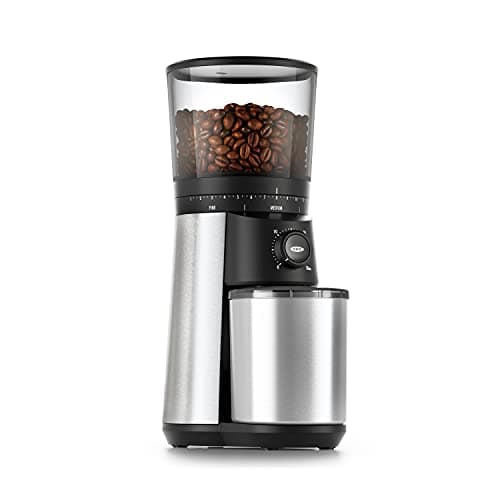
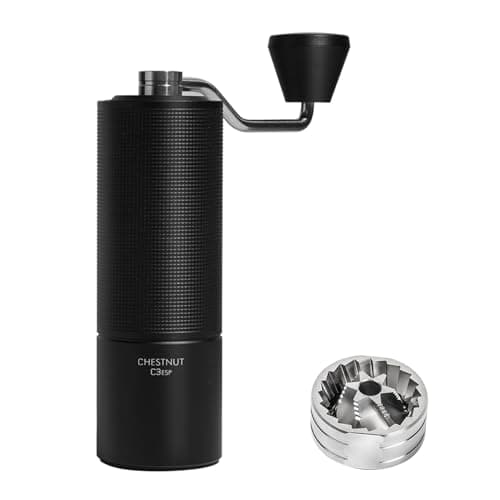
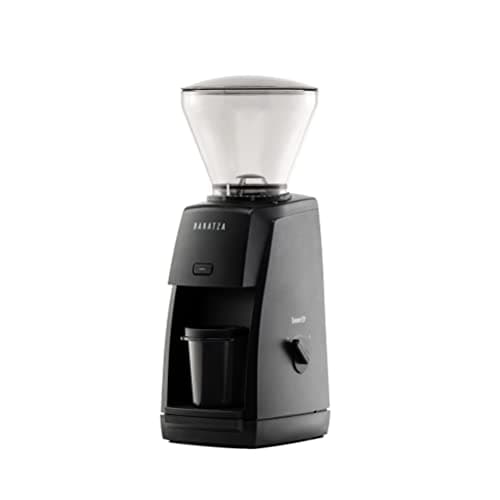
That is the whole reason the three picks below are on this page. The Baratza Encore ESPis the grinder to buy if you need to reach both ends of the chart — it has the fine range for espresso and the coarse range for press — and Baratza sells every part individually, so it is repairable rather than disposable. The OXO Brew Conical is the cheapest sensible option if you only ever brew filter; it is honest about not grinding fine enough for espresso. The TIMEMORE Chestnut C3 ESPis the manual answer, and at its price the consistency embarrasses electric grinders costing considerably more — the cost is your arm, and about 30 to 60 seconds per dose. If you want to spend less than any of them, the JavaPresse hand grinder review covers the budget end honestly, and best grinders under $100 ranks that bracket.
Method-by-method notes the chart cannot hold
Espresso is the narrow one
Every other method on the chart has a usable range of a few hundred microns. Espresso has a window so tight that a single click on a stepped grinder can move a shot by several seconds, which is why dedicated espresso grinders offer stepless adjustment. It is also the method where grind alone is not enough: clumping and uneven distribution cause channeling even at the right size. Espresso grind size and how to dial in espresso are the espresso-specific versions of this page.
Turkish coffee is the one grinder-dependent method
Turkish coffee needs coffee ground finer than espresso — genuinely flour-like, because the grounds stay in the cup and must settle. Most home grinders, including good ones, do not go that fine, which is why traditional Turkish mills exist as a separate category. If you want to brew it, how to make Turkish coffee covers what to do about the grind.
Moka pots sit in a gap people miss
A moka pot is not an espresso maker — it brews at roughly one to two bar — and espresso-fine coffee chokes it, which produces the bitter, sputtering brew people blame on the pot. Fine table salt is the target. Pair it with the right roast and most moka complaints disappear; our best coffee for a moka pot page covers both halves.
Cold brew is the forgiving one
With twelve to twenty-four hours of contact, grind size stops being critical and becomes a filtration question: extra-coarse keeps the liquid clean and the filter unclogged, while finer grinds make sludge and can over-extract even in cold water. If you are brewing something more involved, nitro cold brew has the same grind requirement and a different finish.
French press: coarse, and let it settle
Coarse grind in a press is about the filter as much as the extraction — a metal mesh lets fines straight through into the cup, which is where muddy press coffee comes from. If your press coffee is gritty, grind coarser before you blame the brewer. How to use a French press has the technique, and French press vs drip explains why the same coffee tastes so different between the two.
Drip machines mostly want medium, with one exception
Flat-bottom baskets take a medium grind and cone-shaped baskets want slightly finer, because the cone deepens the coffee bed and changes how water moves through it. If your drip machine makes weak coffee at a medium grind, the problem is more likely brew temperature than grind — see why coffee tastes weak and watery.