Lifeboost is a coffee you have probably met through an ad before you ever met it in a cup. It is marketed hard — low acid, organic, single origin, third-party tested, gentle on your stomach — and that kind of health-forward, direct-to-consumer pitch rightly makes careful buyers suspicious. So this review sets the marketing to one side and asks the only questions that matter: is it actually a good low-acid coffee, who genuinely benefits from it, and is it worth the premium price for everyone else?
Because this is our low-acid pick, we judged it on the thing it claims to solve first — how gentle and smooth the cup actually is — then transparency and sourcing, then flavor, then value, which is where a premium coffee has the most to prove. Tasting descriptions here stay close to what the roaster publishes and how the coffee is widely reviewed, rather than notes we invented, and the price renders live on the page so the value call tracks what a bag costs today rather than a stale figure.
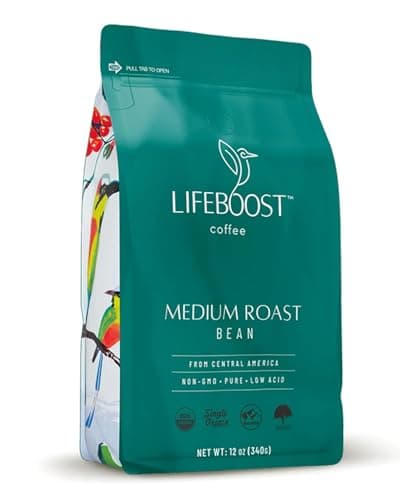
What is in the bag: a single-origin, organic medium roast that is marketed and widely reviewed as low-acid, and that is third-party tested for mycotoxins and pesticides. The low-acid claim is the headline, and it is a real benefit for the people it is aimed at — plenty of drinkers find regular coffee harsh on the stomach, and a genuinely smoother, gentler cup is the difference between enjoying coffee and giving it up. The cup itself is smooth and mild, easy to drink black, which is exactly what an acid-sensitive drinker is after.
The transparency is the part that earns the most goodwill. Lifeboost being organic, single-origin, and third-party tested for mycotoxins and pesticides is real, checkable detail about what is in the bag, not a vague wellness slogan — and that testing is unusual enough at this level to be a genuine differentiator. Single origin also means the coffee comes from one source rather than being blended down from many, which is part of why the cup stays smooth and consistent. If you have ever wondered what is actually in your coffee, a bag that publishes lab testing answers a question most brands leave open, and for an acid-sensitive drinker that reassurance is worth as much as the low acidity itself.
Now the honest cautions, because a coffee sold this aggressively deserves them. First, the price: this is a premium 12-ounce bag, among the most expensive coffees per ounce we cover. Second, the marketing. Lifeboost's direct-to-consumer machine leans hard on health framing and urgency, and it is worth separating the genuinely useful facts — low acid, tested, organic — from the surrounding sales pressure. The facts hold up; the hard sell is just a sales channel, and you should buy on the facts, not the funnel. Third, flavor trade-off: the very smoothness that helps sensitive stomachs comes at the cost of some of the brightness and punch that specialty-coffee enthusiasts chase. Gentle and mild is the whole design, so if you want a vivid, complex cup, this deliberately is not it.
To get the most from it, treat it like any good whole-bean coffee: buy it whole bean and grind it fresh with a burr grinder right before you brew, and store it well — our how to store coffee beans guide covers the basics. A smooth medium roast rewards a clean, even grind and a sensible brew; because it is mild by design, it is more pleasant as a gentle everyday cup than as a bold, concentrated one.
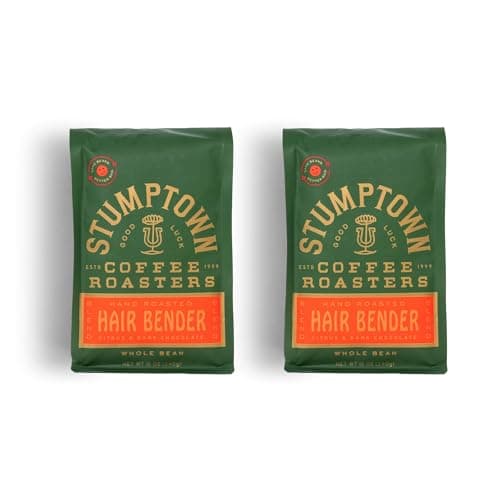
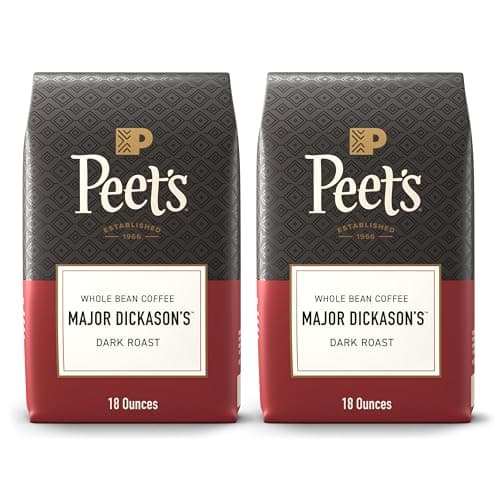
The alternatives on the page split by what you actually want. If it is complexity and value you are after rather than low acidity, Stumptown Hair Bender is the pick — a specialty medium roast with citrus brightness over dark-chocolate depth, more expressive and less expensive per ounce, though its brighter profile is the opposite of gentle. If it is a smoother, lower-acid cup you want but the premium price stops you, Peet's Major Dickason's Blend is the pragmatic route: a bold dark roast is naturally lower in acidity than a bright coffee, and it costs a fraction of Lifeboost — you lose the tested-low-acid single-origin credentials, but you gain a smooth, milk-friendly cup for far less.
So who should buy Lifeboost, and who should skip it? Buy it if acidity genuinely bothers you — if regular coffee upsets your stomach and you have been looking for a gentler cup, this is one of the clearest picks on the low-acid shelf, and the third-party testing is a real bonus. Skip it if acidity does not bother you and you are price-sensitive, because you would be paying a big premium for a benefit you do not need — a standard medium roast or a bold dark roast costs far less. As always, we did not test this in a lab — we worked from what the roaster publishes, how the coffee is widely reviewed, and a live price, and where the marketing outruns the substance we say so, per our how we research page.
Who should buy Lifeboost — and who shouldn't
Buy it ifacidity genuinely bothers you. If regular coffee leaves your stomach unhappy, Lifeboost's low-acid, smooth, mild single-origin medium roast is one of the clearest picks on the low-acid shelf, and the organic, third-party-tested sourcing means you know what is in the bag. For the acid-sensitive drinker, the premium buys a benefit they will feel in every cup.
Skip it if acidity does not bother you and you are price-sensitive. This is a premium 12-ounce bag, among the priciest per ounce we cover, and if you do not need the low-acid benefit you would be paying for it anyway — a standard medium roast costs far less. Skip it too if you want a bright, complex, vivid cup: the smoothness that helps sensitive stomachs comes at the cost of exactly the brightness enthusiasts chase, so a specialty coffee like Stumptown Hair Bender will suit you better.
Read past the marketing
Lifeboost is sold with a lot of health framing and urgency, so separate the checkable facts from the sales pitch. The facts — low acid, organic, single origin, third-party tested for mycotoxins and pesticides — are real and genuinely useful. The countdown-timer, wellness-cure energy around them is just a direct-to-consumer sales channel. Buy on the substance, not the funnel, and judge the coffee on whether it solves your problem.
How to brew it well
Buy it whole bean and grind it fresh with a burr grinder right before brewing. A smooth medium roast rewards an even, clean grind and a sensible recipe, and because it is mild by design it shines as a gentle everyday cup rather than a bold, concentrated one. Store it properly to keep it fresh — see how to store coffee beans.