Pour-over is a clarity machine. Water poured by hand through a paper filter and a medium-fine grind produces one of the cleanest cups you can make — bright, articulate, and transparent about exactly what's in the bean. That transparency cuts both ways: it rewards a complex, well-roasted coffee, and it lays bare a flat or stale one. So the bean matters more here than in almost any other method, and the ones that shine are a little different from the crema-and-body beans you'd reach for on an espresso machine.
We ranked these four on flavor complexity first, because pour-over exists to show it off; then on how well the bean handles the method's bright, high-clarity extraction; then on value and freshness. Tasting descriptions stay close to what each roaster publishes rather than invented notes, and prices render live, so the value calls track what a bag costs today rather than a stale figure.
What makes a bean good for pour-over? The method favors brighter, more complex coffees— typically lighter-to-medium specialty roasts where the origin character survives the roast. Because a pour-over extracts cleanly and highlights acidity and aroma, a bean with something to say tastes vivid, while a heavy dark roast can dominate the cup with roast flavor and mute the nuance the method is built to reveal. That doesn't mean dark roasts are off-limits — some people love a full, chocolatey pour-over — but the sweet spot for the technique leans bright and articulate.
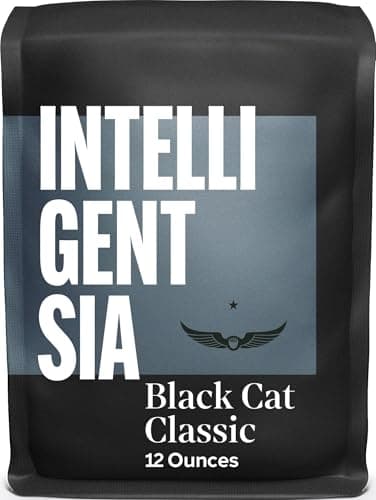
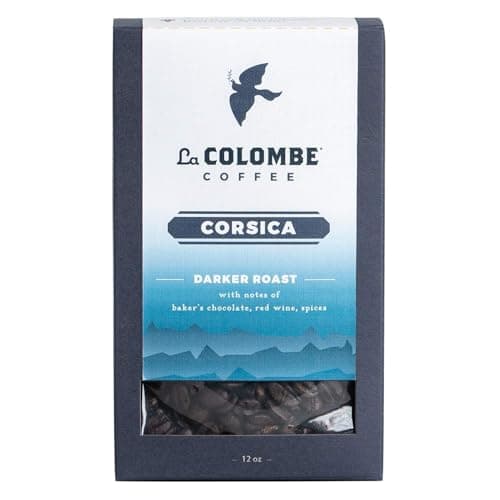
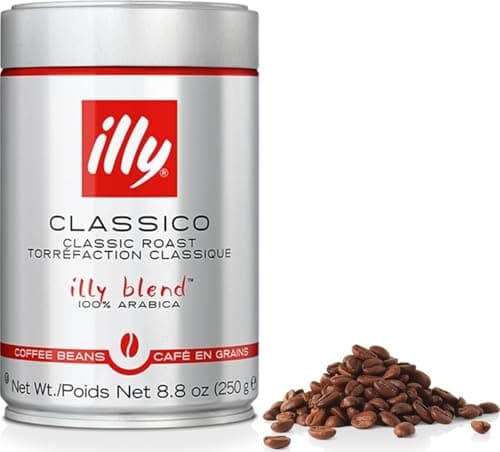
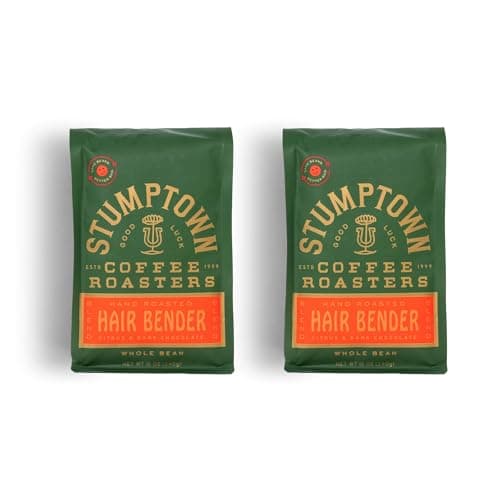
Stumptown Hair Bendertakes the top spot as the pour-over bean that plays exactly to the method's strengths: a genuine specialty medium with real complexity — Stumptown publishes citrus brightness over dark-chocolate depth — that a clean paper filter renders vivid and layered rather than muddy. It is the most complete demonstration here of why people pour by hand. Intelligentsia Black Catis the sweet, balanced pick: it's blended and roasted for espresso, but its sweet, syrupy balance and 100% Arabica cleanliness translate into a full, satisfying pour-over — a fuller-bodied, rounder cup than a bright single origin, and the choice if you like your filter coffee with more sweetness than sparkle. La Colombe Corsicais the dark-roast option for people who want depth in the cone: deep and chocolatey but cleaner and less charred than commodity dark blends, so it holds up in a filter better than most dark roasts — just know it trades the method's signature brightness for body. And Illy Classico is the smooth, consistent everyday pour-over: a 100% Arabica medium with published notes of caramel and blossom that pours the same clean, dependable cup every time, ideal if you want reliability over adventure.
Grind is where most pour-overs are won or lost. Aim for medium-fine — finer than drip, coarser than espresso, roughly the texture of table salt. Too coarse and the water rushes through, leaving the cup thin and sour from under-extraction; too fine and it clogs, the pour stalls, and the cup turns bitter from over-extraction. Because the whole point of pour-over is clarity, a quality burr grindermatters more here than in any forgiving method — inconsistent grounds produce a cup that's simultaneously sour and bitter. Our best grinder for pour-over guide covers what to look for.
Technique does the rest, and it's not hard. Start with a gentle bloom — pour a little water to wet the grounds and let them degas for thirty seconds — then pour slowly and steadily in stages. A reliable starting ratio is around 1 gram of coffee to 16 grams of water; our coffee-to-water ratio guide has the numbers, and our how to make pour-over coffee guide walks through the pour itself. Fresh beans, a medium-fine grind, and a steady pour will make any of these four sing.
Two variables beyond the bean quietly decide a pour-over, and both are worth getting right once. The first is water temperature: pour-over extracts best with water just off the boil, roughly 195 to 205 degrees Fahrenheit, because the clean method needs the heat to pull the brighter compounds fully — water that's too cool leaves even a great bean tasting thin and sour, which people wrongly blame on the bag. The second is the filter. A paper filter is what gives pour-over its signature clarity by trapping oils and fine particles, but a dry filter can add a faint papery taste, so rinse it with hot water before you add the grounds and it preheats the cone at the same time. Neither step costs anything, and together they do as much for the cup as trading up to a pricier bag would.
The honest limits, pick by pick. Hair Bender costs more per ounce than grocery blends and rewards fresh grinding — its brightness is exactly what stales first, so buy it fresh or waste what you paid for. Black Cat is built for espresso, so as a pour-over it leans fuller and rounder rather than bright and delicate; if you specifically want a sparkling, fruit-forward filter cup, a purpose-built light roast will out-shine it, and it's at its best within a few weeks of roasting. Corsica is a dark roast, so it deliberately subdues the origin brightness pour-over is prized for — buy it only if you want depth over sparkle. And Illy comes in smaller cans, so the price per pound runs higher, and its all-Arabica medium is smooth and consistent rather than complex and adventurous.
Not sure which to reach for? Buy Hair Bender to taste what a great pour-over can do; Black Cat if you want a sweeter, fuller cup and don't chase bright acidity; Corsica if you love dark and chocolatey and want it clean in a filter; and Illy if you value the same dependable cup every morning. Whichever you choose, grind medium-fine, keep it fresh, and pour slow — the method rewards care more than almost any other. And if a cup ever comes out flat, resist blaming the bag first: nine times out of ten it's the grind, the water temperature, or a rushed pour, and all three are free to fix.
How to choose coffee for pour-over
Pour-over is the method that most rewards a good bean and most punishes a careless one. Here is how to buy and grind so the cup comes out clean, bright, and worth the effort.
Favor brighter, more complex beans
A paper filter and a hand pour produce a clean, high-clarity cup that highlights acidity and aroma — so a bean with complexity tastes vivid, while a flat one has nowhere to hide. Reach for lighter-to-medium specialty roasts where the origin character survives, like Hair Bender or Black Cat. A dark roast can work if you want body over brightness — Corsica is the clean one to choose — but understand you're trading away the sparkle the method exists to show. Our light vs dark roast guide maps the trade-off.
Grind medium-fine, and grind well
Pour-over wants a medium-fine grind — roughly table-salt texture, finer than drip and coarser than espresso. Too coarse and the water runs through fast and sour; too fine and it clogs and turns bitter. Clarity is the whole point, so grind consistency matters more here than anywhere: a good burr grinder for pour-over produces even grounds that extract evenly, while a cheap blade grinder makes a cup that's sour and bitter at once. If you upgrade one thing for pour-over, upgrade the grinder — and if you want the top of that particular range, the flat-burr Fellow Ode Gen 2 is the filter specialist these bright coffees were made for.
Buy whole bean and buy it fresh
Pour-over exposes staleness more than any forgiving method, so freshness isn't optional here. Buy whole bean, look for a roast date rather than a distant "best by," and grind right before you pour. The bright aromatics that make pour-over worthwhile are exactly the first thing to fade, so a specialty bag bought stale loses the very quality you paid for. Our whole bean vs ground guide explains why grinding fresh matters most for the brightest coffees.
Nail the ratio and the pour
Even a great bean tastes thin if you under-dose or rush the pour. Start near 1 gram of coffee to 16 grams of water, bloom the grounds for about thirty seconds first, then pour slowly in steady stages. The coffee-to-water ratio guide has the numbers and the pour-over method guide walks through the technique. Consistency in the pour is what turns a good bag into a great cup.
Single origin or blend
Pour-over is where single origins earn their reputation — the clean extraction showcases one coffee's particular character, which is why Hair Bender is such a natural fit. Blends like Black Cat and Illy trade some of that distinctiveness for balance and consistency, which many people prefer day to day. If you want to taste what makes a specific coffee special, buy single origin; if you want a reliable, well-rounded cup every morning, a blend is the safer bet.
Get the water and filter right
The bean gets the credit, but the water does a lot of the work. Because pour-over is such a clean, revealing method, it's unforgiving of cool water: aim for just off the boil, roughly 195 to 205 degrees Fahrenheit, so the brighter compounds extract fully instead of leaving the cup thin. Water that tastes good on its own matters too, since coffee is mostly water — filtered is worth it if your tap runs hard or chlorinated. And rinse the paper filter with hot water before brewing to wash out any papery taste and warm the cone. None of it is fussy, but skipping it is a common reason a good bag makes a disappointing pour-over.
Match the gear to the bean
The bean is only half the setup. A steady hand and a decent pour-over dripper let a bright bean express itself, and a quality grinderkeeps the grounds even. You don't need expensive equipment, but you do need consistency — an uneven grind or a sloppy pour will muddy even the best bag. Get the fundamentals steady and the picks above will reward you with the clearest cup in your kitchen.