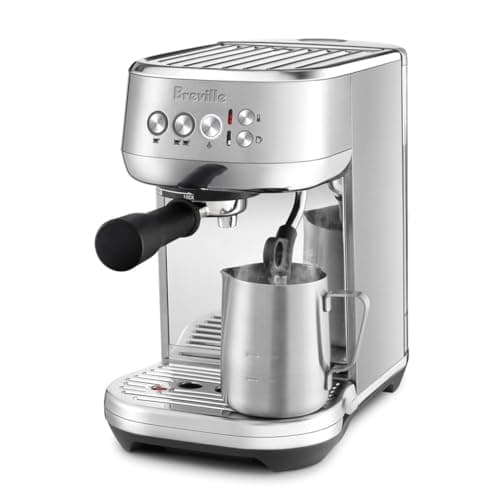
A latte is roughly a third espresso and two-thirds milk, so the machine that makes the best latte is not the one that pulls the best shot — it is the one that handles the milk best for the way you like to work. That single fact reorders everything. A machine can make superb espresso and still make a mediocre latte if its milk system fights you, and a modest shot wrapped in silky, well-textured milk is the drink most people actually want. So we ranked these five on milk first and the shot second.
Milk on a home machine comes in three flavors, and picking the right one matters more than the ranking does. An automatic milk carafe— the Philips 3200's LatteGo — froths the milk and pours it for you in a couple of clicks with zero technique, producing light, airy foam and asking nothing of you. An automatic steam wand — the Breville Bambino Plus — uses a real steam wand but textures to a set temperature and foam level on its own, which gets you close to café-grade microfoam without the learning curve. A manual steam wand — the La Specialista, the Magnifica Start, the Barista Express — hands you the wand and the control: you learn to texture proper microfoam and can pour latte art, but you do the work every time. One is a shortcut, one is a craft, and the middle option quietly gives you most of both.
The Bambino Plus takes the top spot because it threads that needle better than anything else here for the price. Its automatic milk-texturing wand froths to a set temperature and texture with no technique, but because it is a real steam wand rather than a carafe, the milk comes out closer to the tight microfoam a latte actually wants — the airy foam of a carafe is fine for a cappuccino but thin for latte art. You get the ease of automation and the quality of a wand, in a machine the size of a toaster. If you want to understand what "good milk" even means before you buy, our guide to steaming milk is the honest primer — and budget a few dollars for a properly sized milk pitcher, because any wand-equipped machine on this list is only as good as the jug you steam in.
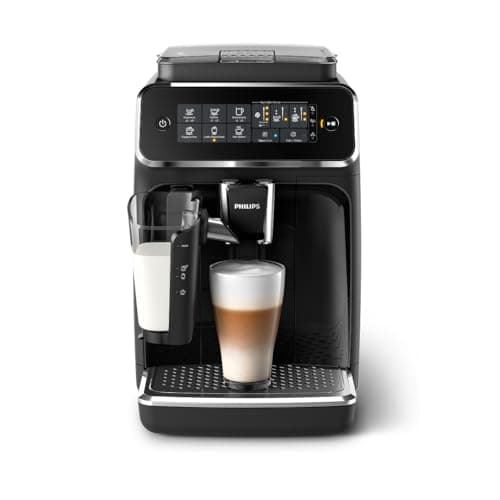
The Philips 3200 LatteGo ranks second and is the right answer for a very specific person: the one who wants a latte at a button press and never wants to touch a wand. Its carafe froths and rinses in two clicks, and the whole shot-and-milk sequence is hands-off — you are drinking before a manual machine has finished warming up. The trade is honest: the foam is light and airy rather than dense microfoam, and there is no latte art in your future. For a busy household that just wants the drink, that is a feature, not a flaw, and it is why it leads our super-automatic roundup too.
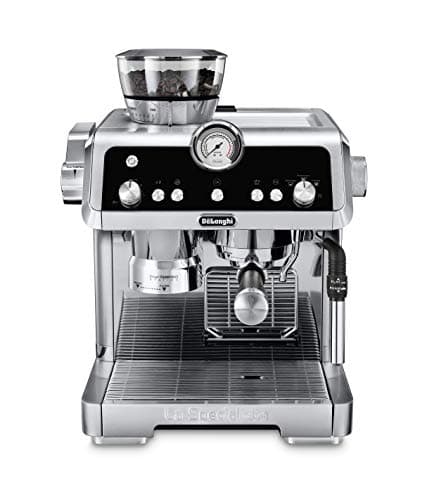
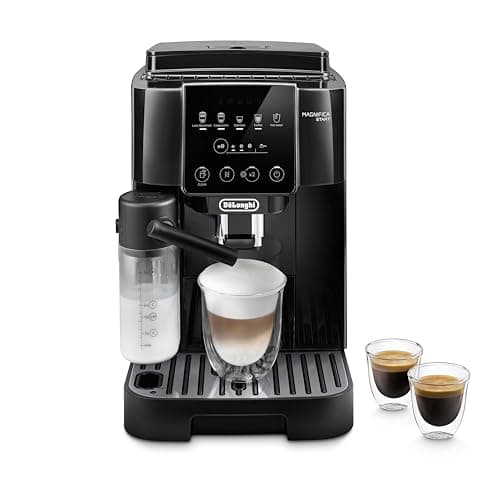
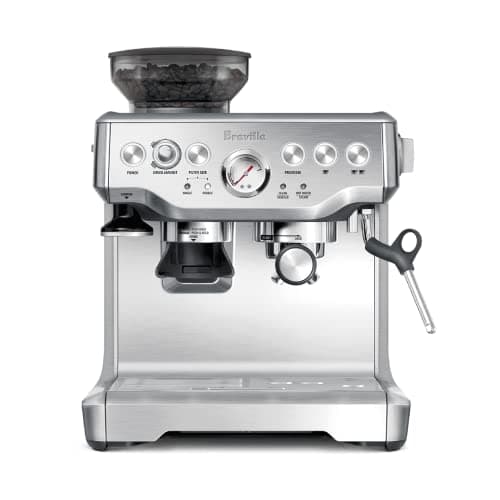
The bottom three are all manual-wand machines that reward technique with a better latte than any automatic system can make — if you are willing to learn. The De'Longhi La Specialista sits third as the most guided of them, with a real steam wand on a semi-automatic that also grinds and helps you tamp. The De'Longhi Magnifica Start ranks fourth as the odd one out: it is a bean-to-cup machine that automates the whole shot but keeps a manualfrother wand, so you get push-button espresso and hands-on milk — a strange but genuinely useful split for someone who wants convenience on the coffee and control on the foam. The Breville Barista Express rounds out the list as the enthusiast's latte machine: a fully manual wand with the most control here and a grinder built in, but the steepest learning curve, so it is last for ease and near the top for ceiling.
None of these were in our hands. We compiled the manufacturers' published specifications, reasoned through what each milk system can and cannot do, and priced everything live. Where a machine's milk reputation rests on a documented trait — the LatteGo's airy foam, the Bambino's auto-texturing, the Barista Express's fully manual wand — we say so rather than pretend we measured the microfoam ourselves. If you want the full method, our how we research page lays it out.
How to choose an espresso machine for lattes
Because a latte is mostly milk, the milk system is the decision — but a few other things change the daily experience enough to matter. Here is how to choose, in the order that actually changes what ends up in the cup.
1. Decide how you want to make the milk — this is the whole choice
Everything else is secondary to this fork. If you want a latte with zero technique and zero fuss, an automatic system is the answer: the Philips 3200's LatteGo carafe froths and pours for you, and the Bambino Plus's automatic wand textures on its own. If you want the best possible milk and are willing to learn, a manual wand — La Specialista, Magnifica Start, Barista Express — gives you microfoam and latte art in exchange for practice. Be honest about which person you are before you look at anything else. Our guide to making a latte at home walks through both paths so you can picture your real mornings.
2. Carafe vs wand: airy foam vs microfoam
The two automatic paths are not the same drink. An automatic carafe like the LatteGo pulls air through the milk and produces a light, bubbly foam — perfect on top of a cappuccino, a little thin for the glossy, paint-like microfoam a latte wants. A steam wand, whether automatic (Bambino) or manual (the rest), heats and textures the milk into denser microfoam that pours smoothly and holds latte art. If the look and mouthfeel of a proper latte matters to you, lean toward a wand; if you just want a warm, foamy milk drink at a button, the carafe is the easier life. Neither is wrong — they are different drinks that share a name.
3. The Bambino's middle path — why it wins here
The reason the Bambino Plus tops a latte list despite being the cheapest machine on it is that it refuses the usual trade-off. Automatic-carafe machines give you ease but airy foam; manual wands give you microfoam but demand skill. The Bambino's automatic milk-texturing wand gives you a real steam wand's microfoam quality on an automatic setting, so a beginner gets latte-grade milk without a month of practice. It is the closest thing to "good milk, no effort" in the category, and the full case is in our Bambino Plus review. If you later want to pour art, the same wand can be run manually as you learn.
4. Bean-to-cup with a manual wand — the Magnifica's split personality
The Magnifica Start is worth understanding on its own because it does something unusual: it automates the entire shot — grind, dose, tamp, brew — like any super-automatic, but keeps a manual frother wand for the milk. That suits a specific person perfectly: someone who finds pulling shots tedious but enjoys texturing milk, or who wants push-button coffee on a weekday and a hands-on latte on a Sunday. If you would rather the milk be automatic too, the Philips 3200 is the fit; if you want the shot manual as well, look at the wand machines below it. Match the automation to the step you actually care about.
5. Speed, warm-up, and your real mornings
A latte you can make in ninety seconds gets made; one that takes ten minutes of setup gets skipped for drip. The Bambino Plus heats in about three seconds, so it suits a rushed routine. The Philips 3200 and Magnifica Start are bean-to-cup and grind fresh on demand, so a milk drink still takes a little time but needs no attention. The manual-wand semi-automatics ask you to pull the shot and steam the milk yourself, which is the part enthusiasts look forward to and the part a busy household resents. Picture a real Tuesday, not an idealized Sunday, and buy for the Tuesday.
6. Milk-system cleaning is part of the deal
Milk is the messiest thing you put through an espresso machine, and every system here needs upkeep. The LatteGo carafe is designed to come apart and rinse in a couple of clicks, which is part of why the Philips ranks where it does. A steam wand — automatic or manual — must be purged and wiped after every drink or milk dries inside it. None of it is onerous, but a milk machine you do not clean makes worse milk and fails sooner, so buy the upkeep you will actually keep up with. If a standalone frother would fit your kitchen better than a wand, our milk frother guide covers that path.
7. Don't forget the shot underneath the milk
Milk decides the ranking, but a latte still starts with espresso, and thin, sour, or bitter espresso ruins a latte no matter how good the foam is. The semi-automatics reward a fresh, fine grind and let you dial the shot — our dialing-in guide is the reference — while the bean-to-cup machines hide the shot behind automation and give you a consistent, if less adjustable, base. If you are pairing a grinder-less machine like the Bambino Plus with a separate grinder, spend on the grinder before the last of the budget on the machine — it is the highest-impact dollar in espresso, latte or not.
8. Be honest about latte art
A lot of buyers want latte art in theory and never practice it in reality, and that daydream steers people toward the wrong machine. If pouring a rosetta is genuinely a goal you will work at, buy a manual wand — the Barista Express or La Specialista — and accept the learning curve, because no automatic system will ever pour art for you. If you are honest that you just want a good, warm, foamy latte with minimal fuss, the Bambino's automatic wand or the Philips carafe will make you happier every single morning than a manual wand you never master. The best latte machine is the one whose milk routine you will actually keep doing.