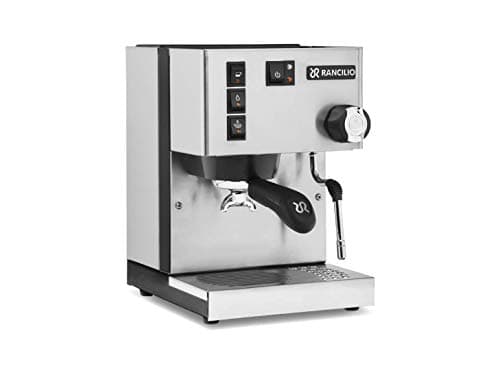
The Rancilio Silvia is the machine people buy to learn espresso properly, on hardware built to outlast most of the kitchen around it. It has been a fixture of home espresso for decades for one reason: it puts genuinely commercial-grade parts — a real 58mm group and portafilter, a powerful steam wand, a brass boiler — into a home machine, and then asks you to supply the skill. That is its whole personality, and the right way to review it is to be clear about what that trade gives you and what it deliberately withholds.
Start with the part that earns the reputation: the commercial-style 58mm portafilter. Fifty-eight millimeters is the size cafes use, and fitting it in a home machine has two big consequences. First, accessories are everywhere — bottomless portafilters, precision baskets, tampers, distribution tools all fit without hunting for oddball sizes. Second, and more important, your skills transfer straight up: everything you learn dialing in a shot on the Silvia carries directly to prosumer and commercial gear, so it's a machine you grow with rather than out of. Rancilio also builds it around a brass boiler and a heavy, repairable body, which is why Silvias routinely run for a decade or more and have a mod and parts community that runs just as deep.
The steamis the other standout. The Silvia's wand is a real commercial-style one with meaningful power behind it, so you can texture proper microfoam by hand — the dense, paint-like milk that pours latte art — rather than the airy foam a weak entry machine produces. That's a genuine capability advantage over the cheaper machines most people start on, and it's a large part of why the Silvia is a machine you learn milk on for real. The catch is bound up with the machine's core limitation, which is where the honesty has to start.
Here is the trade you cannot avoid: the Silvia is a single boiler. It uses one boiler for both brewing and steaming, at different temperatures, so you can't pull a shot and steam milk at the same time — you pull the shot, then wait for the boiler to climb to steam temperature, then steam. Worse for a beginner, a single boiler makes brew temperature drift, so consistent shots require "temperature surfing" — timing your shot to the boiler's heat cycle — unless you add a PID controller. Fitting a PID is, unsurprisingly, the single most common Silvia modification, precisely because the stock machine leaves that job to you. None of this is a defect; it's the honest cost of a commercial group at a home price, and it's exactly what separates a learner's machine from a plug-and-play one.
The other omission is just as important: there is no grinder, so the Silvia is only half a setup. And because it's so unforgiving — it rewards good grinding and good technique and punishes neither gently — the grinder you pair with it matters more than it would on a friendlier machine. A weak grinder wastes a Silvia entirely. Budget for a proper espresso grinder from the start, not as an afterthought; our best grinders for espresso is the reference, and the pairing is non-negotiable at this level.
So who should buy it? The person who wants to learn espresso as a craft and keep learning — someone who sees temperature surfing and dialing in not as chores but as the point, and who wants hardware that will still be running long after a plastic all-in-one has died. If you intend to move up to the prosumer tiereventually, the Silvia is the ideal on-ramp, because nothing you learn is wasted. It is a deliberate, hands-on teacher, and for the right owner it's one of the most rewarding machines you can buy.
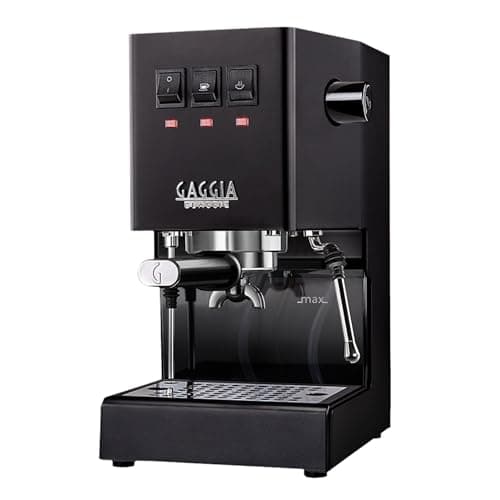
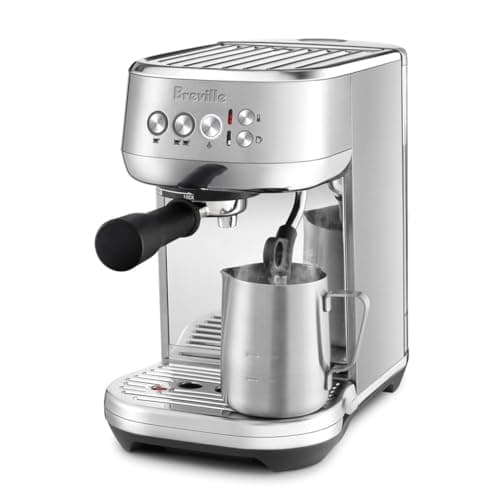
Who should skip it? Anyone who wants convenience or easy milk drinks. If your goal is a reliable latte every morning with no fuss, the Silvia's single boiler, manual everything, and demand for a good grinder will frustrate you — a super-automatic or a guided machine like the Breville Bambino Plus, whose automatic wand textures milk for you, is the opposite and correct choice. Skip it too if you won't add a PID and can't stomach temperature surfing, or if you want the machine to include a grinder. The Silvia gives you a ceiling; it doesn't hand you the climb. If you want the same 58mm learning path in a smaller, cheaper body, the Gaggia Classic Pro is the direct alternative — we compare them head to head in our Gaggia Classic Pro vs Rancilio Silvia guide.
As always, the Silvia was not in our hands. We worked from Rancilio's published specifications, the deeply documented behavior of single-boiler machines and the Silvia's decades-old mod community, and priced it live. Where a claim rests on the machine's design — the commercial 58mm group, the single-boiler temperature behavior, the PID mod — we say so rather than pretend we measured shot temperatures ourselves, in line with our research method.
Who the Rancilio Silvia is really for
The Silvia is a specialist, and buying it well means being honest about the kind of coffee person you are — in the order that actually decides whether you'll love it or resent it.
1. Do you want to learn, or be helped?
This is the whole decision. The Silvia teaches espresso; it does not do espresso for you. If the idea of dialing in a shot, timing your steam, and eventually adding a PID sounds like a rewarding hobby, it's the right machine. If it sounds like homework, it's the wrong one, and no amount of build quality will change that. Everything below is downstream of this answer, so give it honestly before you spend.
2. The 58mm group is why skills transfer
The Silvia's commercial-size 58mm portafilter is its signature. It means the accessory ecosystem is enormous and, more importantly, that the technique you build carries straight into prosumer and commercial machines. If there's any chance you'll step up to the prosumer tier later, the Silvia is the on-ramp that wastes nothing — a genuine long-term advantage over a machine with an oddball basket size.
3. Single boiler — the wait and the temperature surf
Being clear-eyed about the single boiler saves disappointment. You cannot brew and steam at once, so milk drinks involve a pause; and brew temperature drifts, so consistent shots mean either temperature surfing to the boiler's cycle or adding a PID. If back-to-back milk drinks and hands-off consistency matter to you, this is a real limitation — the sort the super-automatic tier removes entirely. On the Silvia, it's part of the craft.
4. Budget for the PID mod (or accept the surf)
The most common Silvia modification is adding a PID controller for steady brew temperature, and it exists precisely because the stock machine leaves that to you. Decide up front whether you'll add one — it makes the machine far more consistent and beginner-friendly — or whether you're happy to temperature-surf. Either is valid; buying blind to the choice is not.
5. The grinder is not optional
The Silvia has no grinder and is unforgiving of a bad one, so the real price is machine plus a proper espresso grinder — and the grinder decides more of the cup than most owners expect. Never pair a Silvia with a cheap grinder or pre-ground coffee; it wastes the machine. Put serious money into the grinder and keep fresh beans for espresso on hand. This is the single most important thing to get right alongside the machine.
6. Build and the long view
Where the Silvia pays you back is longevity. The brass boiler, heavy body, commercial group, and decades-deep parts community mean it's designed to be repaired and kept for years rather than replaced — the opposite of a feature-packed plastic all-in-one that's uneconomical to fix. If you value hardware you can keep running and improving, that's a real reason to choose it over a more convenient machine that won't age the same way.
7. Learn the milk — the steam is worth it
The Silvia's powerful steam wand is one of its best features, but it's manual, so the microfoam is only as good as your technique. That's a plus for anyone who wants to pour latte art and a hurdle for anyone who doesn't want to practice. Our guide to steaming milkis the fast way to get good on it, and once you are, the manual wand's ceiling is far higher than any automatic one.