Skip to content
Bean & Burr

HUB 03 · Grinders

The Best Espresso Grinders Under $500

This is the bracket where a grinder stops being the weak link in your setup. Six worth buying, and a straight account of what each extra hundred dollars actually changes.

By Stephen V.Updated How we research
#ad

We earn a commission when you buy through our Amazon links, at no extra cost to you. It never affects our rankings, and we say so when the cheaper product is the better buy. How this works.

The Baratza Encore ESP is the one to buy for most people in this bracket: it grinds fine enough for real espresso, coarse enough for filter, and Baratza sells every internal part individually, so it is a decade-long purchase rather than an appliance. If espresso is all you make and you want the biggest jump in the cup, the MiiCoffee DF64 II puts 64mm flat burrs and stepless adjustment on your counter for well under the $500 ceiling. And if you only make a shot or two a day, the TIMEMORE Chestnut C3 ESPhand grinder beats electric grinders costing three times as much — you just have to turn the handle.

Under $500 is the most interesting bracket in grinders, because it is where the money finally starts buying the cup instead of the convenience. Below about $150 you are buying a grinder that is better than a blade grinder and still the limiting factor in your espresso. Above about $800 you are buying refinements most home drinkers will not reliably taste. In between — roughly this page — three things change in ways you can actually detect, and they are the only three specs worth reading.

The three specs that matter, and why

Burr type and size.Conical burrs crush beans down a cone; flat burrs shear them between two parallel rings. At a given price flat burrs generally produce a narrower spread of particle sizes, which for espresso shows up as a shot that is easier to dial in and tastes more even. Size matters because a bigger burr set does the same work with less heat and fewer passes. In this bracket you are choosing between roughly 40mm conical (Encore ESP), 50mm conical (Eureka), and 64mm flat (DF64) — and that is the single biggest difference between them.

Adjustment: stepped or stepless.A stepped grinder clicks between fixed positions. Espresso is sensitive enough that the right setting sometimes sits between two clicks, which is exactly the frustration people describe as "I cannot get it dialed." A stepless collar lets you land anywhere, and it is the main reason a dedicated espresso grinder feels different from a do-everything one.

Retention. Every grinder holds some ground coffee in its path. That coffee is stale by the next morning, and it comes out at the front of your next dose. Hopper-fed grinders with retention are fine for filter and mildly annoying for espresso; single-dose grinders like the DF64 are designed so that what you weigh in is what you brew. If you switch beans often, this is the spec that bothers you most.

The six, compared

Specs as the makers publish them on each grinder's live listing. Prices in the table above come from the live price layer and were current when this page last refreshed — every grinder here sat comfortably under $500 at that check, but a grinder's price can move, and the number you see is the number we verified rather than the number we remembered.

GrinderBurrsAdjustmentDosingAlso good for filter?
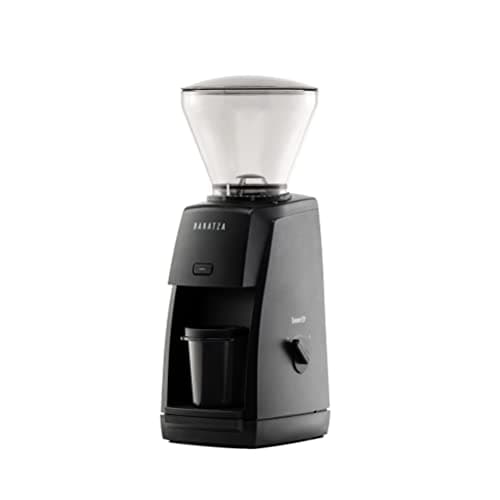
Baratza Encore ESP40mm conicalStepped, espresso + filter rangeHopperYes — the reason to buy it
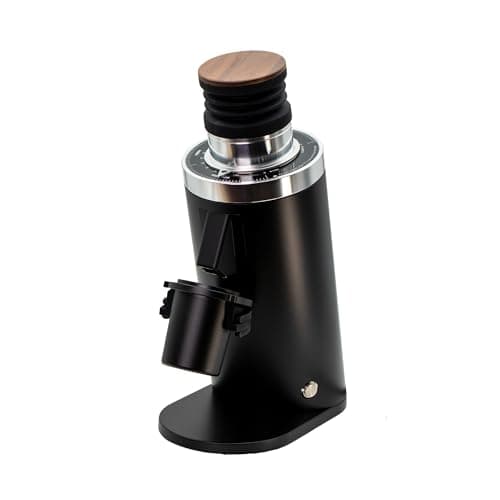
MiiCoffee DF64 II64mm flatSteplessSingle-dose, low retentionPossible, but espresso-tuned
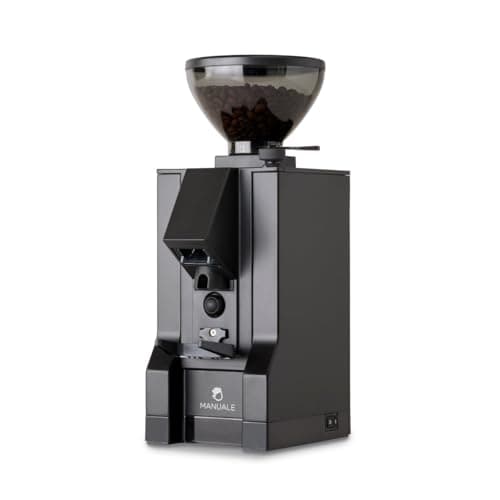
Eureka Mignon Notte50mm steelStepless micro-adjustGrind on demandLimited coarse range
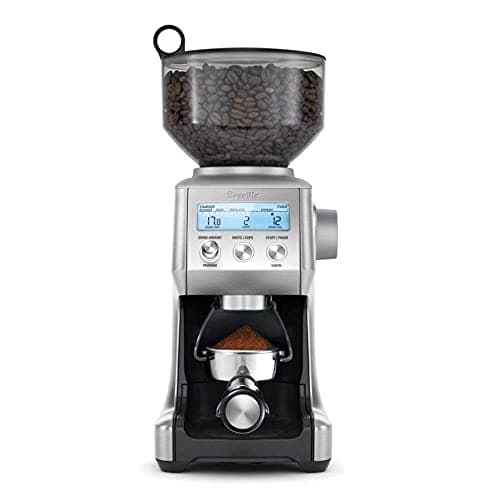
Breville Smart Grinder ProConical60 stepped settingsTimed dose to portafilterYes, to French press
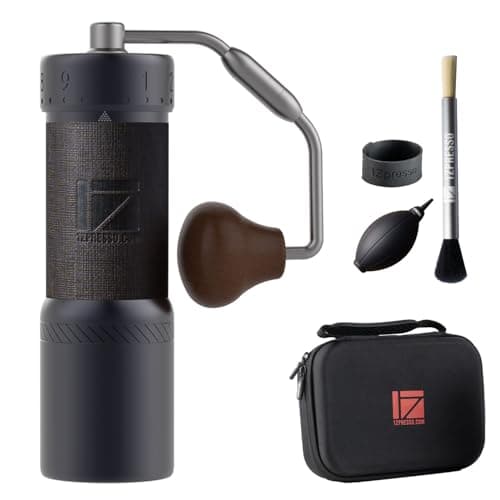
1Zpresso J-UltraConical, manualExternal numbered dialSingle-dose by handYes, but overkill
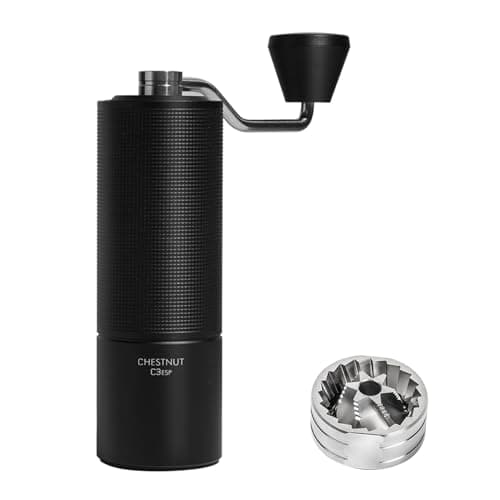
TIMEMORE Chestnut C3 ESPStainless S2C, manualStepped, espresso-capableSingle-dose by handYes, to French press

The Baratza Encore ESPis the pick for most buyers and the easiest recommendation on the page. The plain Encore has been the default first burr grinder for over a decade but cannot grind fine enough for espresso; the ESP version adds that range, which means one grinder covers espresso and pour-over instead of forcing a choice. The thing that actually justifies it, though, is Baratza's model: every part is sold individually and the grinder is designed to be rebuilt, so it does not become landfill when a burr dulls or a gearbox wears. Honest cons: it is stepped rather than stepless, and it retains a little coffee, so a few stale grams carry between bean changes. If you will only ever brew filter, the cheaper plain Encore does that job just as well.

The MiiCoffee DF64 IIis the grind-quality pick, and the reason is the burr set: 64mm flats and stepless adjustment at a price that used to buy 40mm conicals. It is single-dose and low-retention, so each shot is ground from exactly the beans you chose, and it has become a genuine platform — an active community, documented burr upgrades, parts available. The trade is fuss: single-dosing means weighing beans in every time, and there is chaff and a little grind retention to manage. It is also overkill if you mostly brew filter. Our DF64 review is the long version.

The Eureka Mignon Notteis the dedicated-espresso pick. Its stepless micro-adjustment is finer than anything stepped can manage, the 50mm steel burrs come from a respected Italian maker building for shot-after-shot use, and it is notably quiet — which matters more than people expect in a kitchen at 6am. It grinds on demand straight into the portafilter. The limit is honest and is the reason it is not first: its useful range does not extend to coarse filter grinds, so it is a specialist. See the Eureka Mignon review for the detail.

The Breville Smart Grinder Prois the workflow pick, and specifically the one to buy if you own a Breville machine. It grinds directly into the portafilter on a timed dose, which is the tidiest everyday espresso routine on this page, and its 60 settings genuinely span espresso to French press. It is stepped rather than stepless, and it is not built to be rebuilt the way a Baratza is — it is a good appliance rather than a platform. Encore vs Smart Grinder Pro settles that trade directly.

The 1Zpresso J-Ultra and TIMEMORE Chestnut C3 ESPare the two manual grinders here, and they are on this page for a reason that surprises people: at this price, a good hand grinder out-grinds a comparable electric one, because none of your money went into a motor. The J-Ultra is the premium one — machined build, an external numbered dial that makes returning to an espresso setting trivial, consistency that rivals electrics costing far more. The C3 ESP is the value one, and it is the best value on the whole page: stainless burrs, a tight build, and a fine enough range for real espresso for roughly a third of what the electrics cost. The catch for both is physical. Grinding espresso-fine by hand, every morning, is genuine work, and the dose capacity is one or two cups. If you make four milk drinks before school, buy an electric. Our hand grinder vs electric page is the honest version of that argument, and best hand grinders for espresso ranks the manual field properly.

What we deliberately left out. The Fellow Ode Gen 2 is the obvious absence: it is a beautiful 64mm flat-burr single-dose grinder inside this budget, and it is a filter grinder. Fellow tunes it for brewed coffee, and buying it for espresso is the classic expensive mistake in this category — our Fellow Ode Gen 2 review explains where it does belong. We also left out the cheap stepped electrics around the $100 mark; they are real burr grinders and a huge upgrade on a blade grinder, but they do not adjust finely enough for espresso, which is what best grinders under $100 covers instead. And we have not ranked the single-dose grinders above this bracket; those sit on the single-dose page.

The short answer

Quick picks

#ProductBest forScorePrice
01
Baratza Baratza Encore ESP
Baratza Encore ESP

The grinder to buy first. It does espresso AND filter, and Baratza will sell you every part.

The best all-round first grinder
8.4
$199.95Amazon
02
MiiCoffee MiiCoffee DF64 II Single-Dose Grinder
MiiCoffee DF64 II Single-Dose Grinder

The enthusiast espresso grinder that punches way above its price. 64mm flat burrs, single-dose.

Serious home espresso on a real burr set
8.0
$399.00Amazon
03
Eureka Eureka Mignon Notte Espresso Grinder
Eureka Mignon Notte Espresso Grinder

The Italian espresso grinder that steps up from 'entry' to 'proper'. 50mm burrs, stepless.

Dedicated espresso, a rung above entry
7.6
$299.00Amazon
04
Breville Breville Smart Grinder Pro (BCG820)
Breville Smart Grinder Pro (BCG820)

The grind-into-the-portafilter convenience grinder, and the natural partner to a Bambino.

Breville espresso owners
8.0
$159.95Amazon
05
1Zpresso 1Zpresso J-Ultra Manual Grinder
1Zpresso J-Ultra Manual Grinder

A premium hand grinder built for espresso — external numbered dial, fine steps, and a consistency that rivals grinders costing far more.

Serious manual espresso
8.2
$169.15Amazon
06
TIMEMORE TIMEMORE Chestnut C3 ESP Hand Grinder
TIMEMORE Chestnut C3 ESP Hand Grinder

The hand grinder that punches absurdly above its price. Espresso-capable, and it feels premium.

The best-value manual grinder
8.0
$99.00Amazon

#ad · Live prices from the Amazon Product API, as of October 7, 2026. Where we have no verified live price, we show none — we would rather leave a gap than print a number that has rotted.

In detail

The picks, in full

01
Baratza Baratza Encore ESP

The best all-round first grinder

Baratza Encore ESP

Conical burrEspresso + filter range40mm burrsFully rebuildable
8.4/10

The grinder to buy first. It does espresso AND filter, and Baratza will sell you every part.

Grind consistency
8
Grind range
9
Ease of use
8
Build quality
8
Value
9

Pros

  • Unlike the plain Encore, the ESP has the fine range to actually grind for espresso — one grinder covers both worlds
  • Baratza's whole model is repairability: every part is sold individually, so this grinder is a decade-long purchase
  • Consistent enough to make the machine, not the grinder, your limiting factor at this price

Cons

  • Not a single-dose grinder — a little retention means a few stale grams between beans
  • For espresso-only use, dedicated espresso grinders offer finer adjustment (at a higher price)

Don't buy this if…

…you will only ever make filter coffee. Then you don't need the espresso range — the cheaper plain Encore does the filter job just as well.

$199.95View on Amazon

Price as of October 7, 2026. Prices change — Amazon's is the one that counts.

#ad · we may earn a commission from this link to Baratza Encore ESP

02
MiiCoffee MiiCoffee DF64 II Single-Dose Grinder

Serious home espresso on a real burr set

MiiCoffee DF64 II Single-Dose Grinder

64mm flat burrsSingle-doseStepless adjustmentLow retention
8.0/10

The enthusiast espresso grinder that punches way above its price. 64mm flat burrs, single-dose.

Grind consistency
9
Grind range
8
Ease of use
6
Build quality
8
Value
9

Pros

  • 64mm flat burrs and stepless adjustment deliver espresso grind quality that used to cost twice as much
  • Single-dose and low-retention, so each shot is ground from exactly the beans you want
  • A hugely popular platform with an active community and easy burr upgrades

Cons

  • Single-dosing plus a bit of grind-retention chaff means more hands-on fuss than a hopper grinder
  • Overkill for anyone brewing only filter coffee

Don't buy this if…

…you're a beginner who wants plug-and-play. This rewards fiddling — if you don't want to enjoy that, the Baratza Encore ESP gets you 90% of the way with none of the fuss.

$399.00View on Amazon

Price as of October 7, 2026. Prices change — Amazon's is the one that counts.

#ad · we may earn a commission from this link to MiiCoffee DF64 II Single-Dose Grinder

03
Eureka Eureka Mignon Notte Espresso Grinder

Dedicated espresso, a rung above entry

Eureka Mignon Notte Espresso Grinder

50mm steel burrsStepless micro-adjustGrind-on-demandQuiet
7.6/10

The Italian espresso grinder that steps up from 'entry' to 'proper'. 50mm burrs, stepless.

Grind consistency
9
Grind range
5
Ease of use
8
Build quality
9
Value
7

Pros

  • Stepless micro-adjustment gives the fine espresso control the stepped entry grinders can't match
  • 50mm steel burrs from a respected Italian maker, built for shot-after-shot use
  • Notably quiet for an espresso grinder, and it grinds on demand into the portafilter

Cons

  • Espresso-focused — its range doesn't extend as usefully to coarse filter grinds
  • More money than the Baratza or Breville for a difference beginners may not yet appreciate

Don't buy this if…

…you're just starting and also brew filter. This is a specialist — the Baratza Encore ESP is the more flexible, cheaper place to begin.

$299.00View on Amazon

Price as of October 7, 2026. Prices change — Amazon's is the one that counts.

#ad · we may earn a commission from this link to Eureka Mignon Notte Espresso Grinder

04
Breville Breville Smart Grinder Pro (BCG820)

Breville espresso owners

Breville Smart Grinder Pro (BCG820)

Conical burr60 grind settingsDose timerGrinds into portafilter
8.0/10

The grind-into-the-portafilter convenience grinder, and the natural partner to a Bambino.

Grind consistency
8
Grind range
8
Ease of use
9
Build quality
7
Value
8

Pros

  • Grinds directly into the portafilter or a container with a timed dose — the most convenient workflow for a home espresso setup
  • 60 settings span espresso to French press, so it's genuinely versatile
  • Matches the Breville machines visually and functionally if you're building that ecosystem

Cons

  • Stepped adjustment is slightly coarser than the stepless espresso grinders — fine for home, limiting for the obsessive
  • Not built to be rebuilt the way a Baratza is

Don't buy this if…

…you want the most repairable grinder for the money. That's the Baratza Encore ESP — the Breville wins on dosing convenience, the Baratza on lifespan.

$159.95View on Amazon

Price as of October 7, 2026. Prices change — Amazon's is the one that counts.

#ad · we may earn a commission from this link to Breville Smart Grinder Pro (BCG820)

05
1Zpresso 1Zpresso J-Ultra Manual Grinder

Serious manual espresso

1Zpresso J-Ultra Manual Grinder

Conical burrsExternal numbered adjustEspresso-fine stepsManual
8.2/10

A premium hand grinder built for espresso — external numbered dial, fine steps, and a consistency that rivals grinders costing far more.

Grind consistency
9
Grind range
9
Ease of use
7
Build quality
9
Value
7

Pros

  • Grind consistency is excellent — genuinely good enough for dialed-in espresso, not just filter
  • The external numbered dial makes repeating and tweaking an espresso setting fast and precise
  • Machined build quality feels premium and should last for years

Cons

  • Hand-grinding fine enough for espresso takes real effort, dose after dose
  • It's a premium price for a manual grinder — the value only makes sense if you'll use the espresso range

Don't buy this if…

…you mostly brew filter or want an electric grinder. For pour-over the range is overkill, and a cheaper hand grinder like the KINGrinder K6 covers espresso for far less.

$169.15View on Amazon

$199.0015% off

Price as of October 7, 2026. Prices change — Amazon's is the one that counts.

#ad · we may earn a commission from this link to 1Zpresso J-Ultra Manual Grinder

06
TIMEMORE TIMEMORE Chestnut C3 ESP Hand Grinder

The best-value manual grinder

TIMEMORE Chestnut C3 ESP Hand Grinder

Stainless S2C burrsEspresso to French pressFoldable handlePortable
8.0/10

The hand grinder that punches absurdly above its price. Espresso-capable, and it feels premium.

Grind consistency
8
Grind range
8
Ease of use
6
Build quality
8
Value
10

Pros

  • The stainless burrs and tight build give a consistency that shames electric grinders twice its price
  • The ESP version adjusts fine enough for real espresso, not just filter
  • Light, tough, and travel-friendly — a legitimate main grinder that also packs for trips

Cons

  • It's manual — grinding a fine espresso dose by hand is a genuine arm workout
  • Small single-dose capacity, so it's a one-or-two-cups-at-a-time tool

Don't buy this if…

…you make several espressos every morning. Hand-grinding fine, daily, gets tiring fast — an electric grinder like the Baratza Encore ESP is worth it for volume.

$99.00View on Amazon

Price as of October 7, 2026. Prices change — Amazon's is the one that counts.

#ad · we may earn a commission from this link to TIMEMORE Chestnut C3 ESP Hand Grinder

How to spend up to $500 on an espresso grinder

1. Buy the grinder before you upgrade the machine

This is the most useful sentence in the category: a good grinder with a cheap machine beats a great machine fed by a bad grinder. Espresso is brewed in about 25 to 30 seconds under roughly 9 bar, and the only thing controlling how that water meets the coffee is particle size and evenness. A machine cannot fix a grind it was handed. If you have $700 total and a choice between a $500 machine plus a $200 grinder or a $300 machine plus a $400 grinder, take the second one.

2. Match the grinder to how many brewers you own

A one-brewer household wants a specialist: if it is espresso only, the stepless Eureka or the flat-burr DF64 is money well spent. A household that pulls shots on weekdays and brews pour-over at weekends wants range, and that argues for the Encore ESP or the Smart Grinder Pro even though neither grinds espresso quite as well. Buying a specialist and then discovering you need the other half is how people end up owning two grinders.

3. Understand what stepless actually feels like

On a stepped grinder you move one click and the shot time jumps several seconds, so you chase the setting by changing the dose instead. On a stepless grinder you nudge the collar a few degrees and the shot moves a second. That is the whole difference, and whether it matters depends entirely on whether you change beans. If you buy the same blend forever, you will find your setting once and stepped is fine. If you buy a different bag every month, stepless pays for itself in frustration avoided. How to dial in espresso is the routine either way.

4. Add a scale before you add a hundred dollars of grinder

Grind setting is only one of the three numbers in an espresso recipe; the other two are the dose going in and the yield coming out, and neither can be eyeballed. A $15 scale with a timer turns a grinder you already own into a repeatable system, and it is the cheapest genuine upgrade in espresso after a WDT tool. Our best espresso scales page is a two-minute read and will save you more shots than the step up from a 40mm to a 64mm burr set.

5. Check retention if you switch beans, ignore it if you do not

Retention is the most-discussed and least-important spec for a single-blend household: if you grind the same coffee every day, the few grams held in the chute are the same coffee, slightly older, and the effect is small. It becomes a real problem the moment you own two bags — decaf in the evening, a single origin at weekends — because then the first part of every dose is the wrong coffee. That is the specific reason single-dose grinders exist, and the reason to pay for one.
How we picked

We do not run a testing lab

We compiled published manufacturer specifications, computed what each option costs to run where relevant, and cross-referenced aggregated owner reviews, then scored each product against a published rubric. The scores are judgments from documented research — they are not measurements we took, because we do not have a lab and we are not going to pretend we do. Where a number came from a manufacturer or a standard, we name it in Sources.

Questions

Frequently asked

What is the best espresso grinder under $500?
The Baratza Encore ESP for most people, because it is the cheapest grinder here that handles both espresso and filter properly and the only one designed to be rebuilt part by part. If you make espresso exclusively and want the best cup on the page, the MiiCoffee DF64 II with its 64mm flat burrs and stepless adjustment is the stronger buy. If you make one or two shots a day, the TIMEMORE C3 ESP hand grinder beats both on value by a wide margin. Live prices for all six are in the table above, stamped with the date we checked them.
Are flat burrs better than conical burrs for espresso?
Generally yes, at the same price, and for a specific reason: flat burrs tend to produce a narrower spread of particle sizes, which makes an espresso shot easier to dial in and more even in the cup. But it is a tendency, not a law - a well-made 50mm conical from Eureka will beat a poorly made flat-burr grinder, and burr geometry matters less than whether the grinder is stepless and how much coffee it retains. Do not pay a large premium for 'flat' alone.
Can I use a $200 grinder with a $1,000 espresso machine?
Yes, and plenty of people do happily — but it will be the limiting factor. A dual-boiler machine with PID control delivers water at a temperature you have chosen, shot after shot; what it cannot do is improve the evenness of the coffee bed it is pushing through. If you own a serious machine, the stepless grinders on this page are where the remaining improvement lives. See best espresso grinders for the brackets above this one.
Is a hand grinder really good enough for espresso?
For one or two shots a day, yes - and better than an electric grinder at the same price, because none of the money went into a motor. Both manual grinders on this page adjust finely enough for real espresso, and the 1Zpresso's external numbered dial makes returning to a setting easy. The honest limit is physical: grinding 18 grams espresso-fine by hand takes real effort, and if you are making several milk drinks every morning you will resent it within a month.
Why is the Fellow Ode Gen 2 not on this list?
Because Fellow built it as a filter grinder and we are not going to pretend otherwise. It is inside the budget and it is an excellent grinder — 64mm flat burrs, single-dose, near-zero retention — but it is tuned for brewed coffee rather than espresso, and buying it to pull shots is the most common expensive mistake in this category. It belongs on best grinders for pour-over, where it ranks very highly.
Do I need a single-dose grinder?
Only if you switch between coffees. A single-dose grinder has no hopper: you weigh beans in for each brew, so what comes out is exactly the coffee you put in with almost nothing held back. That is genuinely valuable if you keep two or three bags on the go, because a hopper-fed grinder serves you the tail end of yesterday's bean at the start of today's dose. If you buy one blend and drink it for a month, the benefit is small and the extra weighing step is a daily cost.

Keep reading

Receipts

Sources

We do not run a testing lab, and we do not pretend to. Where a measured number came from a manufacturer spec sheet or a published standard, we name it and link it. Where we could not verify something, we say so on the page rather than quietly leaving it out. Read our full method.