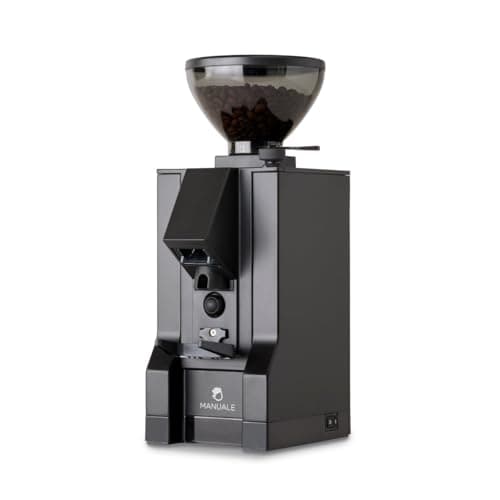
There is a moment in most espresso journeys when the entry grinder stops being the thing holding you back — and starts being it. You have learned to dial in, you have started noticing the difference between a good shot and a great one, and you keep bumping into the coarse edges of stepped adjustment, wishing you could nudge the grind just a hair finer than the next click allows. That is the moment the Eureka Mignon Notteis built for. It is the grinder that carries you from "entry" to "proper" — a stepless, purpose-built espresso grinder from a respected Italian maker, and our pick for the best step-up you can make without leaving the sane end of the price list.
The headline feature is stepless micro-adjustment, and it is the whole reason to spend up. Where a stepped grinder like the entry machines moves the burrs in fixed clicks, the Notte moves them continuously, so you can slide smoothly through the razor-thin band where espresso goes from sour gush to bitter choke and stop exactly where the shot tastes best — not at the nearest click to it. On forgiving medium roasts the difference is nice to have; on trickier light and modern roasts it is the difference between chasing the sweet spot and actually landing on it. If you want the full theory of why that band is so unforgiving, our espresso grind size guide walks through it, and how to dial in espresso shows the routine the Notte rewards.
Underneath that adjustment sit 50mm hardened steel burrs, and the jump in burr class matters as much as the stepless dial. Bigger, better-made burrs than an entry grinder cut a cleaner, more even particle spread, which is what lets your careful setting behave predictably in the basket instead of channeling around a mess of fines. They are also built for endurance: Eureka makes commercial grinders, and the Notte inherits the tolerances and shot-after-shot stamina of that lineage. This is a grinder engineered to be used hard and often, not a countertop appliance that flinches at a busy morning. It grinds on demand straight into the portafilter, so you grind only what you pull, and it does so unusually quietly for an espresso grinder — a small mercy at 6am that owners consistently single out.
Living with it is a study in doing one thing very well. The single stepless dial and grind-on-demand chute mean there is little to learn and less to fight — you set your grind, weigh your dose, and pull. The quiet motor makes it a genuinely pleasant machine to run in a shared kitchen, and the compact Italian footprint hides how serious the internals are. What you will not find is a pile of gimmicks: no sprawling preset menus, no gadgetry, just a well-built espresso grinder that gets out of your way. For anyone pairing it with a capable home espresso machine, it feels like the grinder finally matching the machine's ambitions.
Now the honest cons, because a specialist earns its keep by being honest about what it is not. First, the Notte is espresso-focused, and its range does not extend as usefully to coarse filter grinds — if you split your week between shots and a big French press, this is the wrong tool, and a do-both grinder serves you better. Second, it costs meaningfully more than the Baratza or Breville for a difference a beginner may not yet hear, so buying it too early is spending ahead of your palate. Third, it is a hopper-fed, grind-on-demand grinder rather than a single-dose one, so a small amount of retention keeps a few grams in the path between beans — not a dealbreaker, but not the near-zero carry-over of a single-dose grinder.
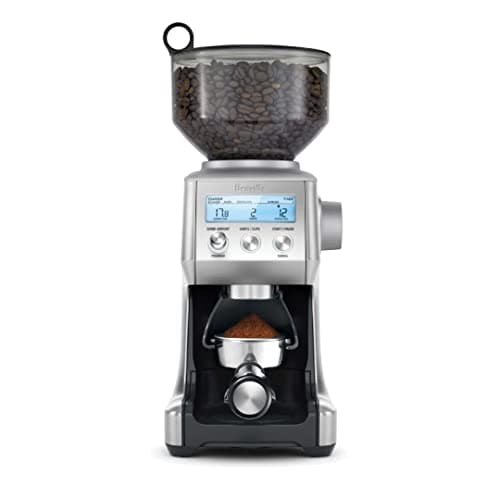
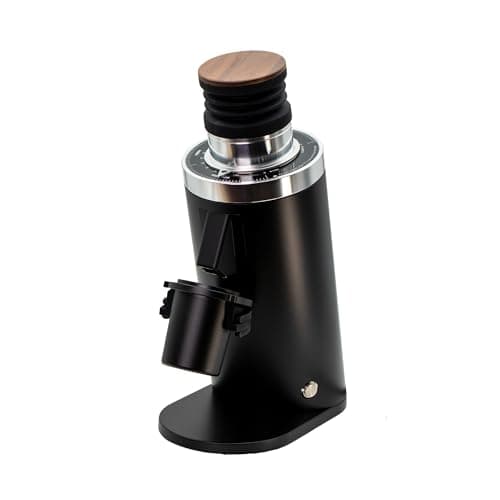
Where does it sit against its rivals? Below it, the Breville Smart Grinder Pro is the cheaper, more convenient option — sixty stepped settings, a dose timer, and cradles that grind into the portafilter — and it does filter too. The Breville wins on price, versatility, and hands-free dosing; the Notte wins on stepless control and burr quality, which is precisely what you are paying up for. Across from it, the MiiCoffee DF64 is the enthusiast alternative at a similar step-up price: 64mm flat burrs and single-dosing buy an even cleaner grind and zero-carry-over dosing, at the cost of more hands-on fuss, chaff, and static — the full case is in our DF64 review. Choose the Notte for the quiet, grind-on-demand simplicity of a hopper; choose the DF64 if you want flat-burr clarity and enjoy the fiddling. Our full method is on how we research.
Who the Eureka Mignon Notte is right for
Buy it if espresso is your main event, you have outgrown a stepped entry grinder, and you want stepless control and better burrs without leaping to a semi-commercial price. It is the grinder that makes your machine, not your grind, the limiting factor — and it is a joy to run daily thanks to the quiet motor and grind-on-demand chute. It is an especially natural upgrade for anyone who started on the picks in our best espresso grinders under $200 and is ready for the next rung.
Skip it if you are just starting out, or if you brew filter as much as espresso. A beginner who also makes drip and press is better served by a flexible do-both grinder like the Baratza Encore ESP, which covers both worlds for less; the Notte is a specialist, and its coarse range is not its strength. Skip it too if near-zero retention and single-dosing are priorities — that points you at the DF64 or another single-dose grinder.
Why stepless adjustment is the upgrade
The single biggest reason to move up to the Notte is continuous, stepless grind adjustment. Stepped grinders are fine until the perfect setting falls between two clicks — then you are stuck picking the lesser of two shots. Stepless removes that ceiling: you glide to the exact point where the shot tastes best and stay there. On easy roasts it is a convenience; on light and modern roasts, where the sweet spot is narrow and moves, it is what makes a great shot repeatable. Paired with a disciplined dial-in routine, it is the control the entry grinders simply cannot offer.
Built to be used, and kept clean
The 50mm steel burrs and Eureka's commercial pedigree mean the Notte is built for shot-after-shot use rather than the occasional weekend flat white. Grind-on-demand keeps beans fresher because you grind only what you pull, and the quiet motor makes it livable in a shared kitchen. The one bit of upkeep espresso grinders always demand is cleaning — oily espresso roasts leave residue that dulls flavor and consistency — so keep to a schedule with our grinder cleaning guide.
Notte vs Breville vs DF64
Against the Breville Smart Grinder Pro, the Notte is the step up in control and burr quality; the Breville is the cheaper, more versatile, more convenient grinder that also does filter and dial-dispenses a timed dose. If budget or filter versatility rules, Breville; if espresso quality rules, Notte. Against the MiiCoffee DF64, the two sit at a similar step-up price but take opposite approaches: the Notte is a quiet, low-fuss, hopper-fed grind-on-demand grinder, while the DF64 is a single-dose, 64mm flat-burr enthusiast platform that trades convenience for an even cleaner grind and zero carry-over. Pick the Notte for calm daily espresso; pick the DF64 if you want to tinker. Either way, see where both land in the wider espresso grinder field.