The cortado and the flat white are two of the most confused drinks on the cafe menu, and for good reason: both are small, coffee-forward espresso-and-milk drinks with thin, silky foam. They sit right next to each other, and plenty of cafes blur the line. But there are real differences — in how much milk each carries, how much foam sits on top, and the size of the cup — and once you know them, you will always order the right one.
The short version: a cortado is a true one-to-one of espresso and milk in a small glass, while a flat white adds a little more milk in a slightly larger cup, giving it a milkier, silkier feel. Both keep the coffee firmly in charge. Here is the full breakdown.
The quick answer
A cortado is a double shot cut with an equal amount of lightly steamed milk, served in a 4 to 4.5 ounce glass, with only a thin layer of microfoam. A flat white is a double shot with a bit more steamed milk in a 5 to 6 ounce cup, finished with a thin, glossy microfoam and often a touch of latte art. The flat white is a little bigger and milkier; the cortado is smaller and more espresso-driven. Neither has the airy foam cap of a cappuccino or the deep milk pour of a latte.
What is a cortado?
A cortado is equal parts espresso and steamed milk. The name comes from the Spanish cortar, to cut — the milk is there to cut the intensity and acidity of the espresso, not to turn it into a milky drink. It is served small, typically in a 4 to 4.5 ounce glass, with only a thin layer of microfoam so the milk blends into the espresso rather than sitting on top. Because the ratio is one-to-one, the coffee stays firmly in charge. For the full method, see our how to make a cortado guide.
What is a flat white?
A flat white is a double shot of espresso (often a ristretto for extra sweetness) topped with steamed milk and a thin, glossy layer of microfoam, served in a slightly larger 5 to 6 ounce cup. It carries a bit more milk than a cortado, so it is a touch milkier and silkier, but it is still coffee-forward and far more espresso-driven than a latte. The defining feature is the velvety, paint-like microfoam — not the thick foam of a cappuccino. See our how to make a flat white guide for the technique.
Cortado vs flat white, side by side
| | Cortado | Flat white |
|---|
| Typical size | 4-4.5 oz | 5-6 oz |
| Espresso | Double shot | Double shot (often ristretto) |
| Milk volume | Equal to the espresso | A little more than the espresso |
| Foam | Thin microfoam | Thin, glossy microfoam |
| Ratio | Roughly 1:1 | Roughly 1:2 to 1:3 |
| Character | Smaller, more espresso-driven | Slightly milkier and silkier |
| Vessel | Small glass or tumbler | Small cup, often with latte art |
Milk volume and foam texture
The clearest difference is milk volume. A cortado holds only about as much milk as espresso, so the coffee dominates and the milk simply softens the edges. A flat white adds a bit more milk, which rounds the drink out and makes it feel creamier without tipping it into latte territory. In both drinks the foam is thin and glossy — velvety, wet-paint microfoam rather than the airy foam of a cappuccino — but the flat white's slightly larger milk volume makes it the better canvas for latte art. If you like a genuinely coffee-first cup, the cortado edges it; if you want that same character with a touch more silk, the flat white delivers.
Which should you order?
Order a cortadowhen you want the most espresso-forward milk drink of the two — a short, punchy cup where the coffee clearly leads and the milk is just there to take the edge off. Order a flat white when you want that same coffee-forward character but a little more milk and a slightly silkier, more rounded feel in a marginally bigger cup. Neither is milky or foamy the way a latte or cappuccino is, so if you want more milk or a thick foam cap, look at our latte vs cappuccino vs flat white comparison instead. For where every drink sits on the menu, see espresso drinks explained.
Making either one well at home
Both drinks live or die on the same two things: a clean espresso shot and smooth, low-foam milk. Get those right and you can make a great version of either. Here is how they differ in practice.
A great cortado
Pull a double shot straight into a 4 to 4.5 ounce glass, then add roughly the same volume of lightly textured milk. Introduce almost no air while steaming — you want glossy, silky milk with barely any foam — and stop the milk warm rather than scalding. The most common mistake is using too much milk or too large a glass, which turns it into a weak latte. See our full cortado guide.
A great flat white
Pull a double shot (a ristretto works well) into a 5 to 6 ounce cup, then steam a bit more milk to a thin, glossy microfoam and pour it in. The extra milk gives you room to pour a simple latte art pattern if you like. Keep the foam thin and the milk velvety — a flat white should never carry a thick foam cap. Our flat white guide walks through it.
The gear that serves both
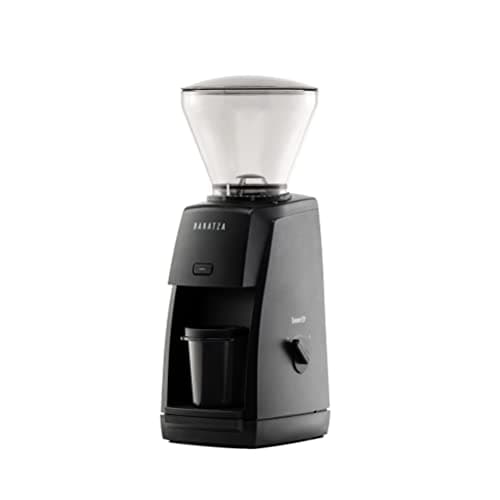
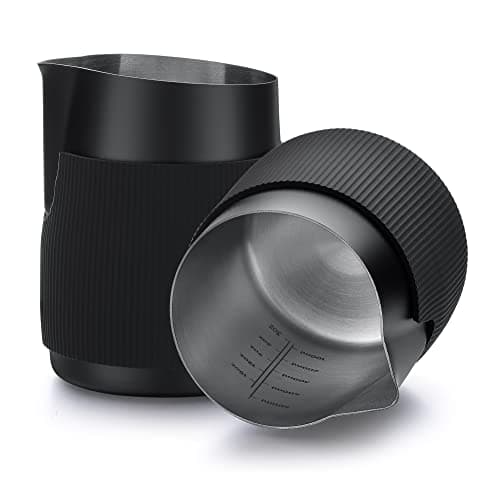
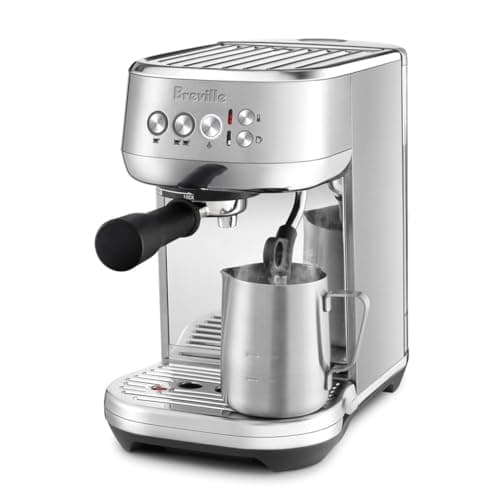
Because both are small and coffee-forward, the shot is exposed, so a capable grinder and an espresso machine that pulls a sweet, balanced shot matter more than anything else. A steam wand gives the best microfoam, though because both drinks want so little foam, a good milk frother can get you most of the way there for home use.