The biggest myth about decaf is that it has no caffeine at all. It does — just a small fraction of what regular coffee carries. Decaf is simply coffee that has had most of its caffeine removed before roasting, and beyond that reduced caffeine, it is meant to look, brew, and taste as much like regular coffee as possible. How well it succeeds depends a lot on how it was decaffeinated. This guide covers how decaf is made, how much caffeine actually remains, how it compares on flavor, and who it is genuinely the right choice for.
The quick answer
Regular coffeekeeps its natural caffeine — roughly 80 to 100 mg per 8-ounce cup, per the FDA. Decafhas had the large majority of that caffeine removed — commonly cited as about 97 percent — leaving only a small residual amount. It is not caffeine-free, but it is dramatically lower. Modern decaffeination, especially the Swiss Water Process, has narrowed the old flavor gap considerably, so good decaf today tastes far closer to regular coffee than decaf's dated reputation suggests.
How decaf is made
Caffeine is removed from green (unroasted) beans, and there are a few established methods. All of them rely on the fact that caffeine is soluble and can be drawn out of the beans while trying to leave the flavor compounds behind.
- Solvent-based methods.The beans are treated with a solvent — commonly methylene chloride or ethyl acetate — that binds to and removes the caffeine. Ethyl acetate can be derived from natural sources, which is why coffee decaffeinated this way is sometimes labeled "naturally decaffeinated." The solvent is removed and the beans are steamed and dried before roasting.
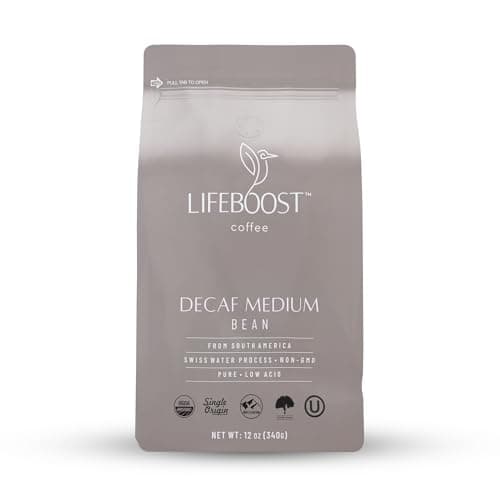
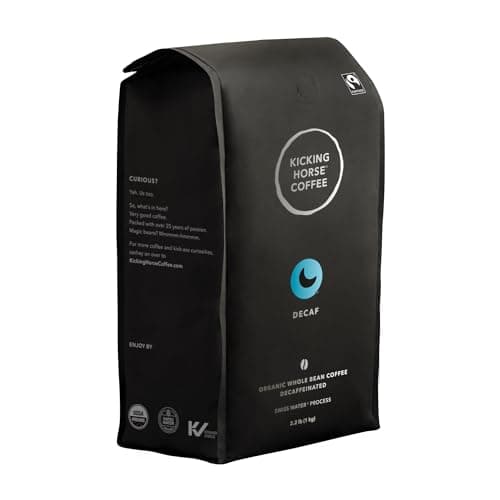
- The Swiss Water Process. A chemical-free method that uses only water, a green coffee extract, and activated carbon filters to draw caffeine out of the beans while preserving flavor compounds. It is a popular choice for people who want decaf made without solvents, and it is often singled out on the bag as a selling point.
- Carbon dioxide (CO2) process. Pressurized CO2 is used to selectively extract caffeine from the beans while leaving most flavor compounds intact. It is efficient and gentle on flavor, and often used for larger commercial batches.
Which method was used affects both flavor and how the coffee is marketed, which is why the better decaf bags tell you. If avoiding chemical solvents matters to you, look specifically for Swiss Water or CO2 process on the label.
How much caffeine is really left?
Decaf is low-caffeine, not no-caffeine. By regulation and industry standard, decaffeination removes the large majority of the caffeine — the figure commonly cited is about 97 percent — but a small amount always remains. In practical terms, a cup of decaf still contains a little caffeine, widely reported in the range of a few milligrams per cup, versus the roughly 80 to 100 mg the FDA cites for a regular 8-ounce cup. That residual is small enough not to matter for most people, but it is not zero — worth knowing if you are extremely caffeine-sensitive or avoiding caffeine entirely for medical reasons. Our how much caffeine is in coffee guide has the wider numbers.
Does decaf taste different?
Historically, decaf earned a reputation for tasting flat, dull, or slightly sour, because older decaffeination methods stripped out flavor along with the caffeine. That has changed a lot. Modern processes — particularly the Swiss Water and CO2 methods — are far better at preserving the aromatic and flavor compounds, so a well-made, fresh decaf can taste remarkably close to its caffeinated counterpart. That said, the decaffeination step does slightly alter the beans, and decaf can be a touch more delicate, so freshness matters even more than usual. A stale decaf will taste worse than a stale regular; a fresh, well-processed decaf can be genuinely excellent.
Side by side
| | Regular coffee | Decaf coffee |
|---|
| Caffeine (8 oz) | ~80-100 mg (FDA) | Small residual; not caffeine-free |
| Caffeine removed | None | Large majority (commonly ~97%) |
| Flavor | Full, as-roasted | Very close with good, fresh decaf |
| Processing | Roasted as-is | Decaffeinated green, then roasted |
| Best for | Anyone wanting the caffeine | Caffeine-sensitive, evening, medical reasons |
Who is decaf for?
Decaf makes sense whenever you want the taste and ritual of coffee without the caffeine. That includes people who are sensitive to caffeine and get jittery or anxious from regular coffee, anyone drinking coffee in the evening who does not want it affecting sleep, people cutting back on caffeine for health reasons or on a doctor's advice, and those who simply love a second or third cup but have hit their caffeine limit for the day. It is also a common choice during pregnancy, when caffeine intake is often reduced — though anyone in that situation should follow their own healthcare provider's guidance, since decaf is low but not zero. If decaf fits you, our best decaf coffee guide points to fresh, well-processed options worth drinking.
The verdict
Decaf and regular coffee are more alike than the old myths suggest. The real, practical difference is caffeine: regular keeps it, decaf removes the large majority of it while retaining a small residual. Thanks to modern methods like the Swiss Water Process, the flavor gap is now small enough that a fresh, well-made decaf holds its own. Choose regular when you want the lift; choose decaf when you want the coffee without it. For the beans themselves, see our decaf coffee picks, and for how bean type affects caffeine in the first place, arabica vs robusta.
Buying decaf worth drinking
Not all decaf is created equal, and a few things separate a genuinely good bag from the flat, disappointing decaf of old. Here is what to look for.
Check the decaffeination method
The method is the biggest quality signal on a decaf bag. If you want to avoid chemical solvents, look specifically for the Swiss Water Process or a CO2 process, both of which are chemical-free or gentle on flavor and tend to preserve more of the coffee's character. Good decaf brands advertise their method proudly; if a bag does not say how it was decaffeinated, that is often a sign it is a more basic product. Our best decaf coffee guide flags the methods used.
Freshness matters even more
Because decaffeination slightly alters the beans and can leave decaf a touch more delicate, decaf punishes staleness more than regular coffee does. Buy whole beans with a visible roast date, buy smaller quantities you will finish sooner, and store them airtight away from light and heat. A fresh decaf tastes close to regular coffee; a stale one is where decaf's bad reputation comes from. Grinding fresh with a good grinder helps here too.
Match the roast to how you brew
Decaf comes in the full range of roasts and works in any brewer, from drip to espresso. Pick a roast level the way you would for regular coffee — a lighter roast for brightness, a darker one for body — and brew it with the same care. There is no reason to treat decaf as a lesser coffee; treated well, it can be just as satisfying. Browse roasts in our coffee beans guide.