Pour-over and automatic drip are close cousins — both pour hot water through a bed of medium-ground coffee sitting in a filter, and both make a clean, bright cup. The difference is who is doing the pouring. With pour-over, you control the water by hand, kettle in one hand and eyes on the coffee. With drip, a machine does it all for you at the push of a button. That single difference — manual control versus automatic convenience — shapes everything about how each fits your morning, and this guide walks through the trade-offs.
The quick answer
Pour-over gives you the most control and the cleanest, most nuanced single cup, at the cost of a few minutes of hands-on attention each morning. Dripgives you a reliable, hands-off cup and can brew a whole carafe at once, at the cost of some control over the brew. If you love the ritual and want to chase flavor clarity one cup at a time, pour-over wins. If you want good coffee for the whole household with zero fuss, drip wins. Both use a similar grind and a paper filter, so the cup character is more alike than different — it is the process that separates them.
What is pour-over coffee?
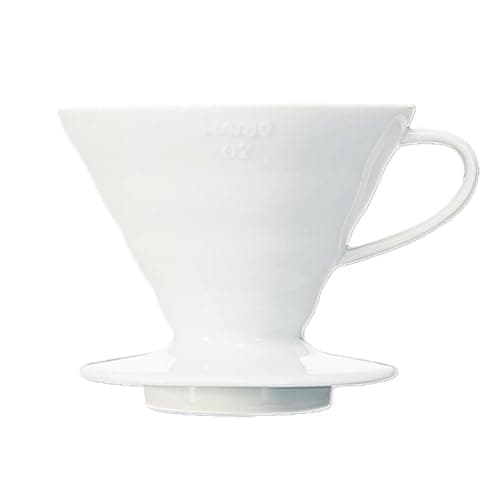
Pour-over is a manual brewing method where you pour hot water, by hand, over medium-ground coffee in a cone-shaped filter, letting it drip through into a cup or carafe below. You control the water temperature, the pour rate, where the water goes, and the all-important bloom — the initial wetting that lets the coffee release gas before the main pour. Devices like the V60, Kalita Wave, and Chemex are all pour-over brewers. Because you govern every variable, pour-over rewards attention with a clean, bright, articulate cup. Our how to make pour-over coffee guide covers the full technique.
What is drip coffee?
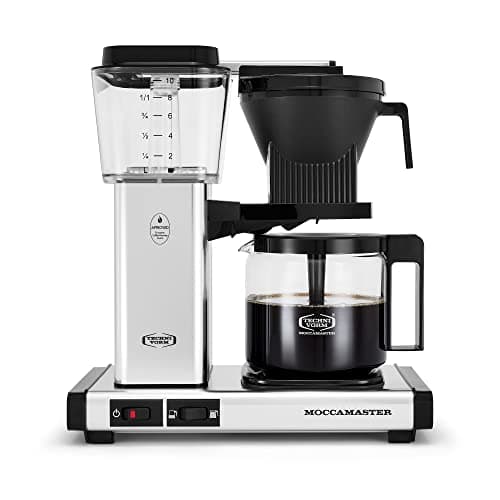
Automatic drip is the same basic idea — water through ground coffee in a filter — but the machine does the pouring. You add water and grounds, press a button, and the machine heats the water and distributes it over the coffee bed on its own, dripping the brew into a carafe. A good drip coffee makerbrews several cups at once and needs no skill or attention. The trade-off is that you rely on the machine to get the water temperature and distribution right — which better machines do well and cheaper ones sometimes do not.
Control and flavor clarity
This is where pour-over pulls ahead. By controlling temperature, pour rate, and the bloom, a skilled brewer can coax more clarity and nuance out of the same beans — highlighting the bright, delicate, origin-specific flavors that a light or medium roast can offer. Automatic drip is more of a set process; you get a consistent, clean cup, but you cannot fine-tune it mid-brew. In practice, a careful pour-over often tastes a touch more vivid and layered, while a good drip machine produces a very respectable, dependable cup that most people would happily drink every day. The gap is real but not enormous, and a great drip machine narrows it considerably.
Effort and convenience
Here the roles reverse. Pour-over is a hands-on ritual — you heat the water, wet the filter, bloom the coffee, and pour in stages, staying with the brew for a few minutes and making one or two cups at a time. Some people find that ritual meditative; others find it a chore before the first cup of the day. Drip is effortless: load it, press start, walk away, and come back to a full carafe. If you are brewing for several people, or you simply want coffee without thinking about it, drip is the clear winner on convenience. If you enjoy the process and are brewing for one or two, pour-over is a pleasure.
Gear and cost
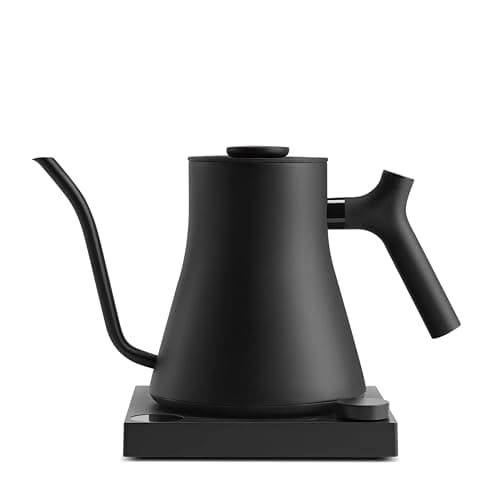
Pour-over is cheap to start — a pour-over dripper, filters, and ideally a gooseneck kettle and a scale are an inexpensive kit — but the "machine" is you, so results depend on your technique. Automatic drip costs more up front for the machine but removes the skill requirement. Both benefit enormously from a burr grinder and fresh beans, since grind consistency and freshness matter for either method. Neither is expensive relative to espresso, and both are far cheaper per cup than buying coffee out.
Side by side
| | Pour-over | Automatic drip |
|---|
| Who pours | You, by hand | The machine |
| Control | High - temp, pour, bloom | Limited - set process |
| Flavor clarity | Bright, nuanced with skill | Clean, consistent |
| Effort | Hands-on, a few minutes | Push a button, walk away |
| Batch size | 1-2 cups at a time | A full carafe at once |
| Upfront cost | Low (dripper, kettle, scale) | Higher (the machine) |
The verdict: which is better?
There is no universal winner — it comes down to how you like to make coffee. Choose pour-over if you enjoy the ritual, brew mostly for one or two, and want to chase the cleanest, most nuanced cup by controlling every variable. Choose dripif you want good coffee with no effort, brew for a household, or simply do not want a hands-on routine before your first cup. Many people own both: a drip maker for busy mornings and volume, and a pour-over setup for slow weekends and special beans. Whichever you pick, a good grinder and fresh coffee matter more than the brewer itself — see our coffee brewing methods overview for the bigger picture.
Choosing your everyday brewer
Both methods make excellent coffee, so the right choice is about your morning, not the cup. Here is how to decide and what to buy.
If you want pour-over
Start with a pour-over dripper(a V60, Kalita Wave, or Chemex), the matching filters, a gooseneck kettle for controlled pouring, and a small scale. The kit is inexpensive, but your technique is the machine — so lean on our pour-over guide and a measured coffee-to-water ratio to get consistent results. This is the path for people who enjoy the ritual.
If you want drip
A good drip coffee makerremoves the skill requirement and brews a full carafe hands-off. Look for a machine that heats water into the proper brewing range and distributes it evenly over the coffee bed — those two things are what separate a great automatic cup from a mediocre one. This is the path for households and anyone who wants coffee without a routine.
The upgrade that helps both
Whichever brewer you choose, a burr grinder and fresh, whole beans do more for your cup than the brewer does. Both methods use a medium grind and both punish stale coffee and uneven particles, so grind fresh to a consistent medium and buy beans you will finish within a few weeks from our coffee beans guide.