"Cheap" coffee is only a bargain if you'd actually want to drink it — a two-dollar tub of stale pre-ground that ends up down the sink cost more than a good bag you finished. So this list isn't about the lowest sticker price. It's about value per pound: the most good coffee per dollar, judged the way you'd judge any bag, so that "affordable" never means "flat."
We ranked these five on cost per pound first, then on how much flavor and versatility that money buys, then on how fresh you can realistically get the bag. Because value runs on a spectrum, we deliberately picked bags that span it — from an outright budget champion to affordable specialty step-ups that still cost less than a week of café coffee. Tasting descriptions stay close to what each roaster publishes rather than invented notes, and prices render live, so every value call tracks what a bag costs today.
The single most important idea on this page: a cheap bag of whole beans beats a cheap tub of pre-ground, every time. Pre-ground coffee starts losing its aroma within days of the seal breaking, so the big discount bins of ground coffee are usually selling you flavor that has already evaporated. A modestly priced whole-bean bag ground fresh — even with an inexpensive burr grinder — delivers dramatically more cup for the money. If you only take one thing from this list, spend a little on a grinder and buy whole bean; it is the highest-return move in cheap coffee. Our whole bean vs ground guide works through why.
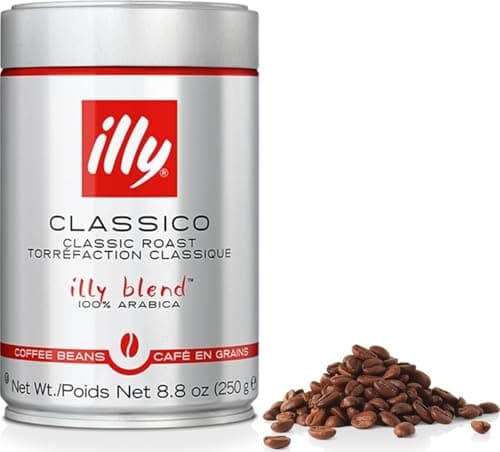
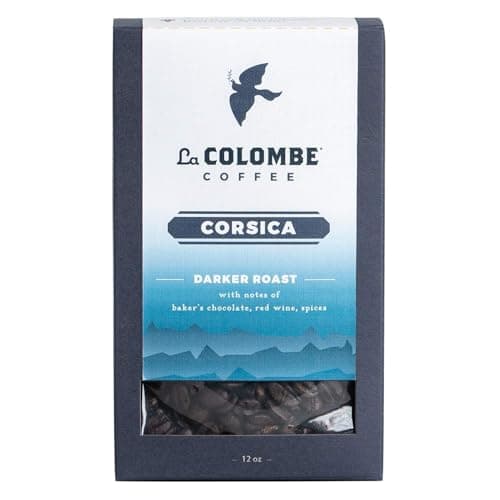
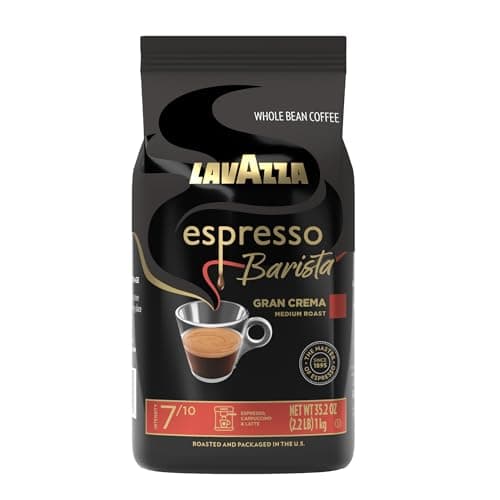
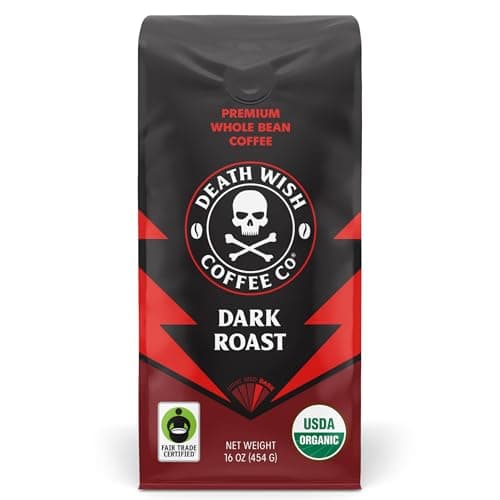
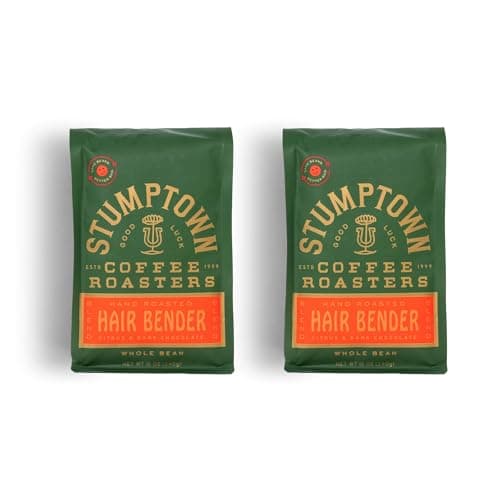
Lavazza Gran Cremais the outright value champion here: a big 2.2 lb bag at a low price per pound, a mellow, full-bodied medium espresso blend that's forgiving across drip, press, and espresso alike, and stocked almost everywhere so you're never out. It is the bag to buy when the goal is simply the most drinkable coffee per dollar. From there the list climbs into affordable step-ups. Illy Classicois the consistency buy — a smooth 100% Arabica medium whose pressurized can tastes the same every time; it costs more per pound because it's sold in smaller cans, but for a reliable, never-a-bad-cup daily coffee it's a fair price. Stumptown Hair Bender is the specialty splurge that still counts as value: it costs more per ounce than the grocery blends, but a genuine specialty medium — citrus brightness over dark-chocolate depth — brewed at home is a fraction of the cost of the same quality at a café. La Colombe Corsica is the affordable way into specialty dark roast: deep and chocolatey but cleaner than commodity dark blends, a refined pour that undercuts a coffee-shop habit. And Death Wishearns its spot only if caffeine is the metric — it's priced for its high-caffeine blend, not for cups per dollar, so it's value only when the kick is the whole point.
A word on what "cheap" should actually mean. The true cost of coffee is cost-per-cup, not cost-per-bag, and it's dominated by two things people ignore: freshness and waste. A slightly pricier bag you drink through while it's fresh beats a cheaper bag that goes stale in the cupboard, and a home-brewed pot of even the specialty picks here costs a small fraction of the same coffee bought out. Measured that way, every bag on this list is a bargain against the alternative of buying coffee by the cup.
Two traps to avoid at the budget end. First, resist the giant discount bag unless you drink fast — coffee fades within about a month of opening, so a huge cheap bag that goes stale before you reach the bottom is no saving at all. Match the bag to how much you actually drink; when in doubt, buy less and buy again. Second, watch the roast date. Bargain bags often move slowly and can sit for months, and a low price on stale beans is the most expensive coffee there is. A fresh mid-priced bag beats a cheap old one every time.
It's worth understanding where the price of a bag actually goes, because it shows you where you can save without losing much. A big share of the cost is the coffee itself — specialty single origins and carefully sourced beans cost the roaster more to buy — plus small-batch roasting, packaging, and the brand behind it. The genuine budget bags here lean on blends and larger formats, which spread those fixed costs over more coffee and are engineered for a dependable cup rather than a distinctive one. The specialty picks charge for sourcing and roasting care you can genuinely taste but don't strictly need for a good daily cup. Deciding which of those you're actually paying for — distinctiveness, or just reliable coffee — is how you buy cheap without buying badly, and for most everyday drinking the blend is the honest answer.
The honest limits, pick by pick. Gran Crema is a mellow commercial blend, not a bright specialty coffee — buy it for value and forgiveness, not for third-wave character. Illy's per-pound price runs higher than a big bag because of the smaller cans, so it's value for consistency, not for bulk. Hair Bender and Corsica both cost more than grocery blends up front; they're "cheap" only in the sense that home-brewed specialty undercuts a café, so if raw sticker price is your only lever, the Lavazza is the answer. And Death Wish is priced for caffeine — if the kick isn't the point, you're paying a premium for strength, and the others give you more flavor per dollar.
Not sure where to land? Buy Lavazza Gran Crema if you just want the most drinkable coffee per dollar; Illy if you want a dependable cup that's never bad; Hair Bender or Corsica if you want specialty quality at home for less than a coffee-shop habit; and Death Wish only if a serious caffeine hit is the whole reason you're buying. Whichever you pick, buy whole bean, grind fresh, and buy a size you'll finish in a month — that's how "cheap" stays good.
How to buy cheap coffee that still tastes good
Buying well on a budget is less about hunting the lowest number and more about not wasting money on flavor that's already gone. Here is how to make every dollar count.
Think in cost per cup, not cost per bag
The bag price is the number on the shelf; the number that matters is what each cup costs you once you account for how much you brew and how much you throw away. A pricier bag you finish fresh can be cheaper per cup than a cheap bag half of which goes stale. And measured against buying coffee out, brewing any of these at home is a fraction of the price — the biggest saving in coffee is simply making it yourself.
Whole bean beats cheap pre-ground
This is the rule that unlocks budget coffee. Pre-ground coffee stales within days, so the discount bins of ground coffee sell you aroma that's already gone. An inexpensive burr grinder and a modest whole-bean bag deliver far more cup per dollar than a cheap tub of grounds. If the grinder feels like an extra cost, remember it pays itself back fast in the flavor you stop wasting — the math is in our whole bean vs ground guide.
Don't oversize the bag
A giant bag at a low price per pound is only a deal if you drink through it before it fades — roughly a month after opening. Buy a huge bag as a light drinker and you'll be brewing flat coffee by the bottom, wiping out the saving. Size the bag to your habit: a heavy household or office is exactly who the big bags are for, while a solo drinker is better off buying smaller and more often.
Check the roast date
Budget bags tend to sit longer on shelves and in warehouses, and a low price on stale beans is a false economy. Look for a roast date, not just a distant "best by," and treat a bag that won't tell you when it was roasted with suspicion. A fresh mid-priced bag beats a cheap old one in the cup every time.
Blends stretch further than single origins
Blends are built for a consistent, dependable cup at a workable price, which is why the best value bags — Lavazza Gran Crema, Illy — are blends. Single-origin specialty coffees like Hair Bender cost more because they're distinctive, not because they're better value. If your goal is the most good coffee per dollar, a blend is usually the smarter buy; save the single origins for when you want to taste something particular.
The brew method changes the value math
How you brew decides how far a bag goes, so match the coffee to the method. Immersion and batch methods — a French press, a full drip pot — are efficient with grounds and forgiving of a cheaper bean, so they stretch a budget bag the furthest. Espresso is the opposite: it uses more coffee per cup and mercilessly exposes a bean's flaws, which makes it the worst place to cut corners. If squeezing value is the whole point, a simple drip maker or a press paired with a mellow blend like Gran Crema is about the most economical good coffee you can make. A demanding method with a bargain bean just wastes both — so let the gear you already own guide how cheap you can sensibly go.
Store it right to protect the saving
The whole point of a budget bag is cost per pound, and staleness quietly erases it. Keep beans airtight, away from light and heat, and only leave a week or two's worth in your day-to-day jar with the rest sealed. Our storage guide has the full method — a few minutes of care keeps a cheap bag tasting like the bargain it was meant to be.