Skip to content
Bean & Burr

HUB 05 · Coffee Beans

The Best Coffee for Beginners

Your first bag of coffee should be hard to ruin. Ranked on forgiveness, availability and the real cost of the mistakes you are about to make.

By Stephen V.Updated How we research
#ad

We earn a commission when you buy through our Amazon links, at no extra cost to you. It never affects our rankings, and we say so when the cheaper product is the better buy. How this works.

Most guides to the best coffee for beginners rank the coffee they personally like and call it a recommendation. That is the wrong axis. When you are new, the bag that makes you happiest is not the most interesting one on the shelf — it is the one that still tastes good after you grind it slightly wrong, brew it slightly too hot, and leave it open on the counter for a week. Forgiveness is the spec, and almost nobody prints it.

So that is what this page ranks. Every bag below is a whole bean coffee you can buy today, and every one of them was checked against Amazon's live catalog on September 7, 2026before it was listed here. We have not tasted them side by side in a lab, because we do not have one and we will not pretend otherwise — our methodology page spells out exactly what we do instead. What we can do is read the published roast levels, blend compositions and pack sizes off the real listings, apply the one rule that reliably predicts how hard a coffee is to get wrong, and rank accordingly.

That rule is simple: darker and more blended is more forgiving; lighter and more single-origin is less forgiving. A light roast is dense, under-extracts easily, and turns thin and sour the moment your grind is a little coarse. A medium or medium-dark blend has already been engineered by the roaster to taste consistent across a wide range of brewing, which is exactly what you want while your technique is a variable rather than a constant. That is the whole reason the list below leans medium. If you want the full mechanism, our light vs dark roast guide is the long version.

One thing to settle before anything else: buy whole bean. This is the single highest-return decision on the page and it costs nothing extra. Ground coffee loses most of its aromatics within about fifteen minutes of grinding, so a pre-ground bag is already stale before you open it — and worse, it comes at one fixed grind size, which removes the only adjustment that fixes a bad cup. If you do not own a grinder yet, that is the purchase to make before you upgrade anything else; our grinders under $100 roundup covers the honest entry point, and whole bean vs ground lays out what you actually give up by skipping it.

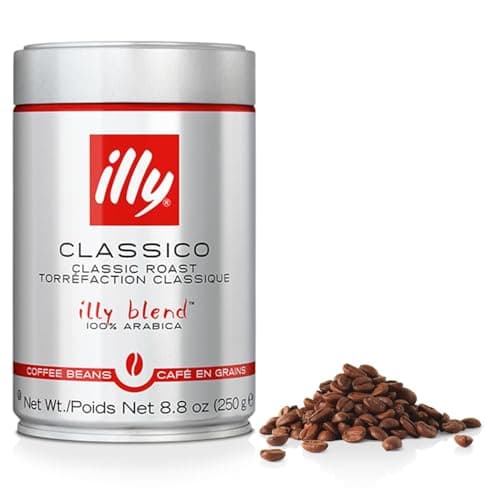
illy Classicotakes the top spot for one unglamorous reason: it is the hardest coffee here to have a bad experience with. Amazon lists it as a medium roast, 100% arabica, with published notes of caramel, orange blossom and jasmine, and it ships in a pressurized can rather than a paper bag — which means the beans you open in month three taste like the beans you opened in week one. illy's consistency is the product. Every can is blended to hit the same target, so it removes the batch-to-batch variation that makes a beginner think they have done something wrong when they have not. It is smooth, low in harshness, and drinkable black without any technique at all. The honest cons: an 8.8 ounce can is small, so the price per pound is genuinely high next to a two-pound bag, and that same relentless consistency is what enthusiasts eventually find boring. It is a floor, not a ceiling. We go deeper in the full illy Classico review.

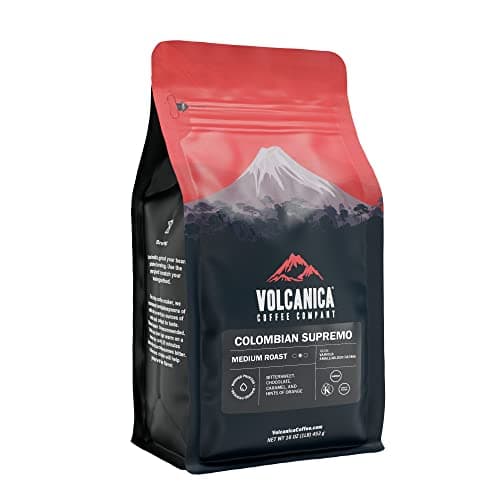
Volcanica Colombian Supremois the pick if you do not yet know what brewer you are going to settle on. Colombian Supremo is the classic balanced-and-nutty profile, and a medium-roast single origin like this one is about as close as coffee gets to a default setting: it makes a good drip pot, a good pour-over, a decent French press, and a perfectly respectable espresso from the same bag. Sold as fair trade and fresh roasted in a 16 ounce bag, it is a real specialty coffee at an unremarkable price. The trade is exactly the one implied by "balanced" — it is easy to like and hard to be excited by, and if you were hoping a single origin would taste dramatic, this is not the one that does that. Dark-roast drinkers will also find it too gentle.

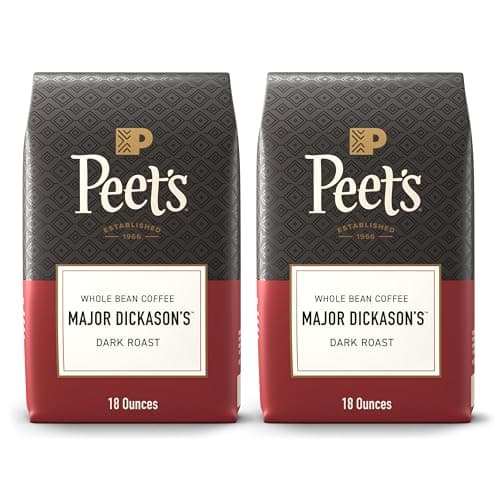
Peet's Major Dickason's Blendis the answer if you already know you take your coffee with milk, or if you tried a mild coffee and found it watery. It is a genuine dark roast, sold on Amazon in a two-pack of 18 ounce bags, and it is built to punch through dairy without disappearing — which is why it is a fixture in so many households. Dark roasts are also chemically the most forgiving thing you can brew, because much of what a bad grind would otherwise expose has already been roasted away. The honest cons are the flip side of the same coin: roast character dominates origin character here, so you are tasting Peet's roasting rather than a farm, and if you drink coffee black and dislike bitterness you will probably find it heavy. Buying 36 ounces at once also only makes sense if you are drinking it inside about a month.

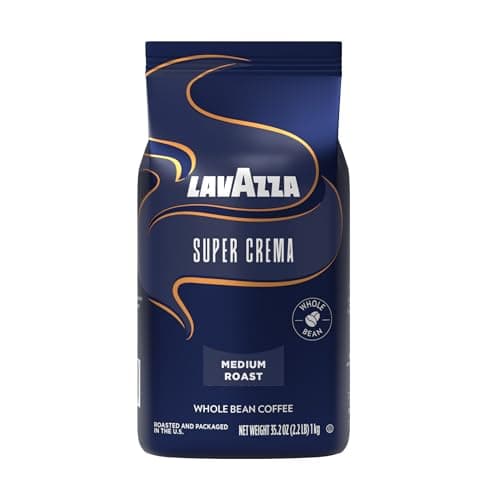
Lavazza Super Cremais the pick when your first machine is an espresso machine rather than a drip brewer. Amazon lists it as a medium espresso roast and an arabica-and-robusta blend, and both halves of that matter for a beginner: the medium roast is forgiving, and the robusta content is what produces the thick, stable crema that makes an amateur shot look like a competent one. At 2.2 pounds it is also the best value per pound on this page by a wide margin, which matters more than it sounds like it should — learning to pull espresso costs you beans, and you want to be relaxed about throwing a bad shot away. The cons: robusta brings a rubbery edge that all-arabica drinkers notice immediately, and the same bag is unremarkable in a drip machine. If you are working through your first machine, pair it with the beginner espresso machine roundup and the dialing-in guide.

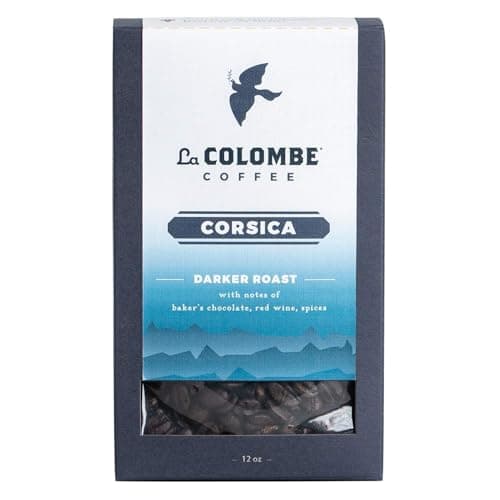
La Colombe Corsicais the cheapest way onto this list to get coffee from a real specialty roaster rather than a commodity brand. Worth flagging a label discrepancy we ran into while checking it, because it is instructive: the Amazon listing title calls Corsica a dark roast, while La Colombe's own store currently describes it as a medium roast. Both are the same coffee. What is not in dispute from either source is the character — rich, chocolatey and full-bodied rather than bright or fruity — and that profile is what makes it beginner-friendly regardless of which word is on the label. It is a useful early lesson that roast descriptors are marketing language, not a regulated specification. The cons: at 12 ounces it is a small bag for the money compared with the grocery-aisle dark roasts, and if what you actually want is bright and acidic, Corsica is pointed firmly the other way.

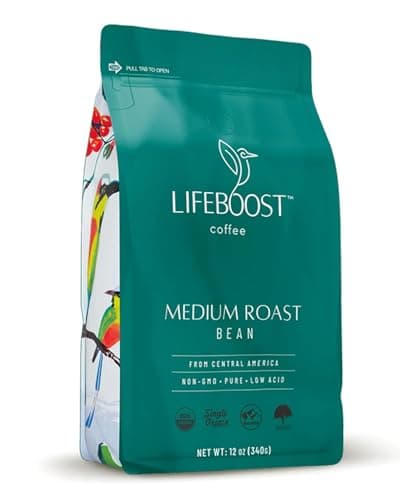
Lifeboost Medium Roast earns its place for one specific reader: the person who has tried coffee, liked the taste, and found their stomach did not agree. It is sold as a low-acid, organic, single-origin medium roast that is third-party tested, and low-acid coffee is one of the few wellness-adjacent claims in this category with a plausible mechanism behind it. If acidity is the thing standing between you and a daily cup, this is a reasonable experiment. The cons are blunt: it is among the most expensive coffees here per ounce, it comes in a 12 ounce bag, and if acidity has never bothered you then you are paying a substantial premium for a benefit you will not notice. Our low-acid roundup covers the alternatives.

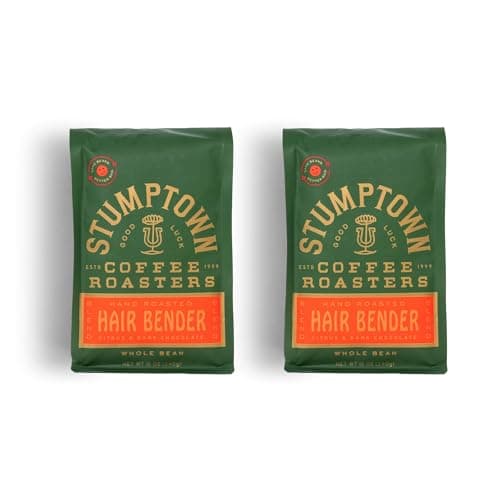
Stumptown Hair Benderis not really a beginner coffee, and it is on this list on purpose. It is the bag to buy once the basics stop being the hard part — when your grind is repeatable and you are ready to find out what people mean by tasting notes. Amazon lists it as a medium roast with published notes of citrus and dark chocolate, in a two-pack of 12 ounce bags. It is a genuinely excellent coffee and it will reward better technique in a way that none of the safer picks above will. It is also the most expensive coffee on this page, and it is the least forgiving: brew it carelessly and the citrus reads as sourness rather than brightness, which is a frustrating experience if it is your first bag rather than your fifth. Buy it second.

What to skip while you are learning. Three categories will waste your money right now. First, high-caffeine novelty coffee— the bags sold on strength rather than flavor are dark, harsh and specifically engineered to make a point, which teaches you nothing about brewing and a fair amount about regret. Second, flavored coffee, which is a perfectly legitimate thing to enjoy but coats the beans in a way that hides exactly the feedback you need while you are learning to grind and brew. Third, anything light and expensive and single-originas a first purchase — not because those coffees are bad, but because they are the least tolerant of the mistakes you are statistically about to make, and a $30 bag that tastes sour will convince you the problem is you. It usually is not; it is usually the grind. When a cup goes wrong, start with why coffee tastes bitter before you blame the beans.

The short answer

Quick picks

#ProductBest forScorePrice
01
illy Illy Classico Whole Bean
Illy Classico Whole Bean

The polished, consistent 100% Arabica option. Smoother and cleaner than the Robusta blends.

A smooth all-Arabica espresso
7.8
$14.99Amazon
02
Volcanica Volcanica Colombian Supremo (Whole Bean)
Volcanica Colombian Supremo (Whole Bean)

A balanced, nutty-caramel Colombian Supremo that works across every brew method — the versatile everyday single-origin.

One bean that does drip, pour-over, and espresso
8.0
$21.99Amazon
03
Peet's Coffee Peet's Major Dickason's Blend (Dark Roast)
Peet's Major Dickason's Blend (Dark Roast)

The dark-roast benchmark. Big, rich, and built to punch through milk in any brewer.

Dark-roast lovers and milk drinks
8.3
$33.72Amazon
04
Lavazza Lavazza Super Crema Whole Bean (2.2 lb)
Lavazza Super Crema Whole Bean (2.2 lb)

The default first espresso bean. Forgiving, creamy, cheap by the pound, and everywhere.

Your first espresso beans
8.3
$26.99Amazon
05
La Colombe La Colombe Corsica (Dark Roast)
La Colombe Corsica (Dark Roast)

A specialty take on dark roast — chocolatey and full-bodied without the burnt edge.

Dark-roast depth with specialty quality
8.0
$12.89Amazon
06
Lifeboost Lifeboost Organic Medium Roast
Lifeboost Organic Medium Roast

The low-acid, third-party-tested pick. The one to try if coffee upsets your stomach.

Sensitive stomachs and low-acid drinkers
7.3
$29.50Amazon
07
Stumptown Stumptown Hair Bender (Medium Roast)
Stumptown Hair Bender (Medium Roast)

A specialty roaster's flagship. Complex, versatile, and a real step up from supermarket blends.

Trading up to specialty coffee
8.5
$44.97Amazon

#ad · Live prices from the Amazon Product API, as of Sep 7, 2026. Where we have no verified live price, we show none — we would rather leave a gap than print a number that has rotted.

In detail

The picks, in full

01
illy Illy Classico Whole Bean

A smooth all-Arabica espresso

Illy Classico Whole Bean

100% ArabicaMedium roastPressurized canNotes of caramel & blossom
7.8/10

The polished, consistent 100% Arabica option. Smoother and cleaner than the Robusta blends.

Flavor
8
Espresso suitability
8
Versatility
8
Value
7

Pros

  • 100% Arabica gives a smoother, cleaner, less bitter shot than the Robusta-blended crema beans
  • illy's consistency is legendary — the can tastes the same every time, which some people value above all else
  • The pressurized can keeps the beans fresh longer than a paper bag on a shelf

Cons

  • All-Arabica means a thinner, more delicate crema than the Lavazza blends
  • Sold in smaller cans, so the price per pound is higher

Don't buy this if…

you want maximum crema for milk drinks on a budget. The Robusta in Lavazza Super Crema makes thicker crema for less money — illy is about smoothness, not thickness.

$14.99View on Amazon

Price as of Sep 7, 2026. Prices change — Amazon's is the one that counts.

#ad · we may earn a commission from this link to Illy Classico Whole Bean

02
Volcanica Volcanica Colombian Supremo (Whole Bean)

One bean that does drip, pour-over, and espresso

Volcanica Colombian Supremo (Whole Bean)

Colombian SupremoSingle-originWhole beanMedium roast
8.0/10

A balanced, nutty-caramel Colombian Supremo that works across every brew method — the versatile everyday single-origin.

Flavor
8
Espresso suitability
7
Versatility
9
Value
8

Pros

  • Balanced, nutty, caramel-sweet flavor that's easy to like and works in almost any brewer
  • Versatile enough to pull a decent espresso and make a great drip cup from the same bag
  • Quality single-origin coffee at a fair price

Cons

  • Its balanced approachability means it's less distinctive than a bright single-origin or a dedicated espresso blend
  • A medium roast, so fans of dark, punchy coffee may want more intensity

Don't buy this if…

you want a standout aromatic filter cup or a dark espresso. The Ethiopian Yirgacheffe is brighter for pour-over — this Colombian is the do-everything all-rounder.

$21.99View on Amazon

Price as of Sep 7, 2026. Prices change — Amazon's is the one that counts.

#ad · we may earn a commission from this link to Volcanica Colombian Supremo (Whole Bean)

03
Peet's Coffee Peet's Major Dickason's Blend (Dark Roast)

Dark-roast lovers and milk drinks

Peet's Major Dickason's Blend (Dark Roast)

Dark roastWhole bean blendBold & full-bodiedWidely stocked
8.3/10

The dark-roast benchmark. Big, rich, and built to punch through milk in any brewer.

Flavor
8
Espresso suitability
8
Versatility
9
Value
8

Pros

  • A deep, rich, full-bodied dark roast that stands up to milk and works in espresso, drip, or press alike
  • The go-to for anyone who finds lighter roasts too sour or thin
  • Reliable, everywhere, and reasonably priced for the quality

Cons

  • Dark roasting flattens the origin character — you taste the roast more than the bean
  • Too bold and roasty for anyone chasing bright, fruity notes

Don't buy this if…

you like light, bright, fruit-forward coffee. Major Dickason's is the opposite by design — reach for Intelligentsia Black Cat or Stumptown instead.

$33.72View on Amazon

Price as of Sep 7, 2026. Prices change — Amazon's is the one that counts.

#ad · we may earn a commission from this link to Peet's Major Dickason's Blend (Dark Roast)

04
Lavazza Lavazza Super Crema Whole Bean (2.2 lb)

Your first espresso beans

Lavazza Super Crema Whole Bean (2.2 lb)

Medium espresso roastArabica + Robusta blend2.2 lb bagMild & creamy
8.3/10

The default first espresso bean. Forgiving, creamy, cheap by the pound, and everywhere.

Flavor
7
Espresso suitability
9
Versatility
8
Value
9

Pros

  • The Robusta in the blend gives a thick, stable crema that's very forgiving while you learn to dial in
  • Mild, nutty, and low-acid — it makes a pleasant shot even when your technique is still rough
  • A 2.2 lb bag is excellent value, and it's stocked almost everywhere so you're never out

Cons

  • Forgiving and mild also means it lacks the bright, complex character of a specialty single origin
  • Supermarket bags can sit a while — check the roast date when you can

Don't buy this if…

you want bright, fruity, third-wave flavors. Super Crema is deliberately mellow — for character, buy fresher specialty beans like Stumptown or Intelligentsia.

$26.99View on Amazon

Price as of Sep 7, 2026. Prices change — Amazon's is the one that counts.

#ad · we may earn a commission from this link to Lavazza Super Crema Whole Bean (2.2 lb)

05
La Colombe La Colombe Corsica (Dark Roast)

Dark-roast depth with specialty quality

La Colombe Corsica (Dark Roast)

Dark roastWhole beanBaker's chocolate & red wine notesFull-bodied
8.0/10

A specialty take on dark roast — chocolatey and full-bodied without the burnt edge.

Flavor
8
Espresso suitability
8
Versatility
8
Value
8

Pros

  • The specialty-roaster version of a dark roast — deep and chocolatey but cleaner and less charred than commodity dark blends
  • Full body makes it excellent in espresso and superb with milk
  • A refined step up from Peet's for people who love dark but want more nuance

Cons

  • Pricier than the grocery dark roasts
  • Still a dark roast, so origin brightness is deliberately subdued

Don't buy this if…

you want bright, acidic, fruity coffee. Corsica is firmly in dark-and-chocolatey territory — a light roast like Intelligentsia Black Cat is the other direction.

$12.89View on Amazon

Price as of Sep 7, 2026. Prices change — Amazon's is the one that counts.

#ad · we may earn a commission from this link to La Colombe Corsica (Dark Roast)

06
Lifeboost Lifeboost Organic Medium Roast

Sensitive stomachs and low-acid drinkers

Lifeboost Organic Medium Roast

Medium roastSingle originLow acidThird-party tested
7.3/10

The low-acid, third-party-tested pick. The one to try if coffee upsets your stomach.

Flavor
8
Espresso suitability
7
Versatility
8
Value
6

Pros

  • Marketed and reviewed as low-acid, which genuinely helps people who find regular coffee harsh on the stomach
  • Organic, single-origin, and third-party tested for mycotoxins and pesticides — real transparency about what's in the bag
  • A smooth, mild cup that's easy to drink black

Cons

  • Premium price for a 12 oz bag — among the most expensive here per ounce
  • The smoothness comes at the cost of some of the brightness and punch enthusiasts chase

Don't buy this if…

acidity doesn't bother you and you're price-sensitive. You'd be paying a big premium for a low-acid benefit you don't need — a standard medium roast costs far less.

$29.50View on Amazon

Price as of Sep 7, 2026. Prices change — Amazon's is the one that counts.

#ad · we may earn a commission from this link to Lifeboost Organic Medium Roast

07
Stumptown Stumptown Hair Bender (Medium Roast)

Trading up to specialty coffee

Stumptown Hair Bender (Medium Roast)

Medium roast100% ArabicaCitrus & dark chocolate notesSpecialty roaster
8.5/10

A specialty roaster's flagship. Complex, versatile, and a real step up from supermarket blends.

Flavor
9
Espresso suitability
8
Versatility
9
Value
8

Pros

  • A genuine specialty coffee with real complexity — citrus brightness over dark-chocolate depth
  • Versatile enough to shine as espresso or as pour-over, which many single-purpose beans aren't
  • Roasted by a respected specialty house, so freshness and sourcing are a cut above the grocery blends

Cons

  • Costs more per ounce than the Lavazza and Peet's blends
  • The brighter profile is less forgiving of sloppy espresso technique than a Robusta crema blend

Don't buy this if…

you're still learning to dial in espresso and want maximum forgiveness. A bright medium roast punishes mistakes — start on Lavazza Super Crema and graduate to this.

$44.97View on Amazon

Price as of Sep 7, 2026. Prices change — Amazon's is the one that counts.

#ad · we may earn a commission from this link to Stumptown Hair Bender (Medium Roast)

How to choose your first bag of coffee

Work through these in order. The first three decide whether the coffee in your cup is good; the rest are money and habit.

1. Roast level is the forgiveness dial

Roast level predicts beginner outcomes better than origin, price or brand. Light roasts are denser and need finer grinding, hotter water and more precision to extract properly; get any of that wrong and the cup is thin and sour. Dark roasts are more soluble and far more tolerant, which is why diner coffee is dark. Medium sits in the middle and is where most people should start. If you want one heuristic: pick a medium or medium-dark blend for your first three bags, then start experimenting once your grinder setting stops moving.

2. Whole bean, and a burr grinder to go with it

A whole bean bag plus a cheap burr grinder beats an expensive pre-ground bag every single time, and it is not close. Grinding on demand preserves the aromatics that make coffee smell like coffee, and — more practically — grind size is the one control that fixes a sour or bitter cup. Buying pre-ground removes it. Note the word burr: a blade grinder chops beans into a mixture of dust and boulders that extract at different rates, which produces a cup that is over- and under-extracted at the same time. Burr vs blade covers why that matters more than the machine you brew in.

3. Match the bag to the brewer you actually own

An espresso blend in a drip machine is not a mistake, but it is money spent on qualities — crema, body under pressure — that a drip machine cannot use. Likewise a bright filter coffee under nine bars will taste sharp until you are dialed in. If you own an espresso machine, buy something labeled for espresso. If you own a drip brewer, a press or a pour-over cone, buy a medium blend and ignore the espresso shelf. If you own nothing yet, our brewing methods guide is the fastest way to work out which one suits how you actually drink coffee.

4. Buy a bag you can finish in a month

Coffee does not spoil, but it goes flat, and the decline is noticeable from roughly two to four weeks after roasting once the bag is open. That makes bag size a real decision rather than a pure value calculation. A two-pound bag is excellent economics if you drink two cups a day and terrible economics if you drink two cups a week, because the last half will taste like cardboard. Work out your weekly consumption honestly, then buy to it. Store the bag sealed at room temperature and away from light — how to store coffee beans covers why the freezer advice you have read is mostly wrong.

5. Read the roast date, not the best-by date

A best-by date is a food-safety marker set far in the future and it tells you nothing useful. A roast date tells you everything. Specialty roasters print one; commodity brands usually do not, which is itself a signal about how the coffee is expected to be sold. Coffee also needs a few days of rest after roasting to release carbon dioxide, so extremely fresh beans can brew unevenly — roughly one to two weeks past roast is the sweet spot for most brewing. How long coffee beans last has the full timeline.

6. Budget for the beans you are going to waste

This is the part nobody plans for. Learning to brew costs coffee: dialed-in espresso in particular can burn through a surprising amount of beans before the shots are consistent, and every method has a learning curve measured in cups you pour away. Buying an expensive bag first makes people ration it, brew it timidly, and learn slower. Start with something affordable and plentiful, get your grind and ratio stable, and then spend the money on a coffee that deserves the technique. If budget is the binding constraint, our cheap coffee beans roundup ranks purely on value per pound.

7. Prices move, so check them at the moment you buy

Coffee pricing on Amazon is unusually volatile — pack sizes change, multipacks come and go, and the same bag can swing by several dollars inside a week. The prices shown on this page are pulled from the live listings and stamped with the date they were fetched, and where a number is missing the link falls back to checking the current price rather than showing you a stale one. Compare per pound rather than per bag, because the pack sizes here range from an 8.8 ounce can to a 2.2 pound bag and the headline prices are not comparable.
How we picked

We do not run a testing lab

We compiled published manufacturer specifications, computed what each option costs to run where relevant, and cross-referenced aggregated owner reviews, then scored each product against a published rubric. The scores are judgments from documented research — they are not measurements we took, because we do not have a lab and we are not going to pretend we do. Where a number came from a manufacturer or a standard, we name it in Sources.

Questions

Frequently asked

What is the best coffee for a complete beginner?
A medium-roast blend from a brand with tight quality control, bought whole bean in a size you will finish inside a month. illy Classicois our top pick because its consistency removes a whole class of beginner confusion — when every can tastes the same, a bad cup is unambiguously something you did, which is information you can act on. If the price per pound bothers you, Volcanica Colombian Supremo is the better value and almost as forgiving. What matters far more than which of those you pick is that the bag is whole bean and reasonably fresh.
Should beginners buy light, medium or dark roast?
Medium, in almost every case. Light roasts demand a finer grind, hotter water and more precision, and they punish small errors by tasting thin and sour - which beginners reasonably but wrongly interpret as not liking the coffee. Dark roasts are the most forgiving but flatten the differences between origins, so you learn less from them. Medium is the compromise that tastes good across a wide range of grind settings and still has enough character to teach you something. Move outward from there once your results are repeatable.
Do I need a grinder, or can I buy pre-ground coffee?
You can absolutely start with pre-ground, and plenty of people do. But understand the two things you are giving up: freshness, because ground coffee loses its aromatics within about fifteen minutes, and control, because grind size is the single adjustment that fixes a sour or bitter cup and a pre-ground bag has already made that choice for you. If your budget only stretches to one upgrade, a burr grinder improves your coffee more than a better brewer does — see the best grinders under $100 for where that honestly starts.
Is expensive coffee worth it when you're just starting?
Not yet. A $45 bag of specialty coffee and a $15 bag of well-made medium roast will taste much closer to each other than either will taste to the same beans brewed badly, so early on your technique is the dominant variable and the price of the beans is noise. There is also a behavioral trap: people ration expensive coffee, which slows down the experimentation that actually makes you better. Start affordable, get consistent, then buy something like Stumptown Hair Benderwhen you can tell the difference — which will not take long.
How much coffee should I buy at once?
Roughly what you will drink in four weeks. A standard cup uses about 15 to 18 grams of coffee, so one cup a day is close to a pound a month and two cups a day is nearer two pounds. Coffee is at its best in the first few weeks after roasting and fades steadily once the bag is open, so the bulk bag that looks like a bargain is only a bargain if you actually get through it. If you are still deciding whether you even like a coffee, buy the small bag and accept the worse price per pound.
Why does my coffee taste sour or bitter?
Almost always grind size, and the two faults point in opposite directions. Sour, thin and sharp means under-extraction: the water passed through too fast, so grind finer. Bitter, harsh and drying means over-extraction: grind coarser. Beginners tend to change beans when they should be changing the grinder setting, which is expensive and fixes nothing. Sour vs bitter explains which way to move, and why coffee tastes bitter covers the non-grind causes worth ruling out.

Keep reading

Receipts

Sources

We do not run a testing lab, and we do not pretend to. Where a measured number came from a manufacturer spec sheet or a published standard, we name it and link it. Where we could not verify something, we say so on the page rather than quietly leaving it out. Read our full method.