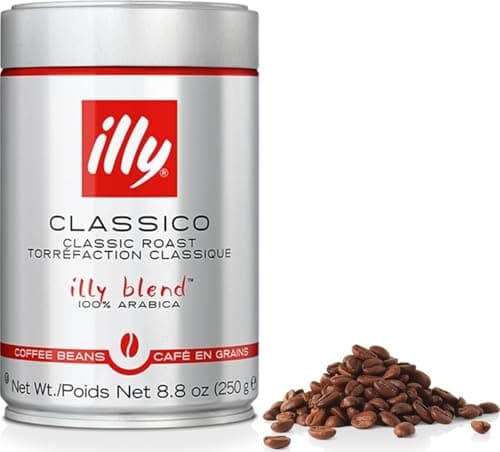
Illy Classico is the coffee for people who do not want a surprise. It is a 100% Arabica Italian blend, sold in illy's distinctive pressurized can, and its whole reputation rests on one thing: it tastes the same every single time. In a category full of coffees chasing the most exciting cup, Classico is chasing the most reliable one — and this review is about whether that is a virtue worth paying for, what it does best, and who is better served by something more adventurous.
We judged it on the terms an Italian house blend should be judged: consistency and smoothness first, because that is the entire pitch; then flavor and how it drinks as espresso; then crema and versatility for milk drinks; then value. Tasting descriptions here stay close to what the roaster publishes rather than notes we invented, and the price renders live on the page so the value call tracks what a can costs today rather than a stale figure.
What is in the can: a medium-roast, 100% Arabica blend with published notes of caramel and blossom, sealed in a pressurized can. That all-Arabica recipe is the heart of it — it gives a smoother, cleaner, less bitter shot than the Robusta-blended crema beans that dominate the budget espresso shelf. Where a Robusta blend leans bold and punchy, Classico is polished and gentle, with a soft caramel sweetness and a light floral lift rather than a heavy, roasty hit. It is an easy, refined cup, built to please rather than to provoke.
Consistency is the standout, and illy has made it almost a signature. The can tastes the same every time, batch after batch, which for a lot of drinkers is worth more than any single exciting bag — you know exactly what you are getting, and you never gamble on a can that disappoints. The pressurized can does real work here too: it keeps the beans fresher on the shelf than a paper bag does, so the coffee you open is closer to how it left the roaster. If you value a dependable morning cup over a rotating cast of new discoveries, that reliability is the whole reason to buy.
The honest limits. All-Arabica smoothness comes with a thinner, more delicate crema than the Robusta blends produce — so if a thick crema layer for milk drinks is what you want, Classico gives you less of it. And it is sold in smaller cans, which pushes the price per pound above the big value bags. Most importantly, smooth and consistent is not the same as complex: illy is not a specialty, third-wave coffee, and it does not try to be. It will not give you the bright, layered, origin-driven character of a fresh specialty roast — it trades that ceiling for reliability, and you should buy it knowing that is the deal.
To get the most from it, grind it fresh right before you brew with a burr grinder — a smooth, delicate coffee shows off a clean, even grind and suffers most from a coarse, uneven one. Store it well once the can is open; our how to store coffee beans guide covers how to keep an opened can at its best. Classico rewards a careful, balanced espresso recipe more than a heavy-handed one, because its charm is finesse, not force.
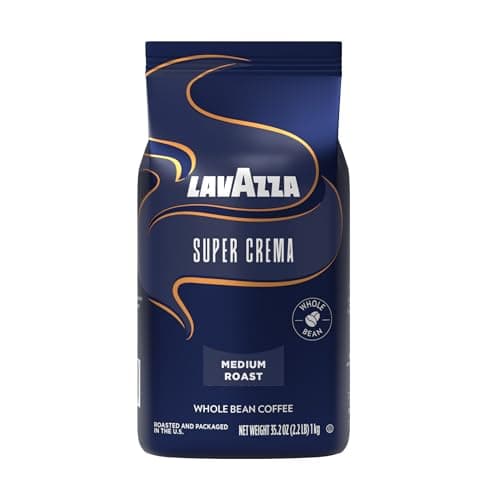
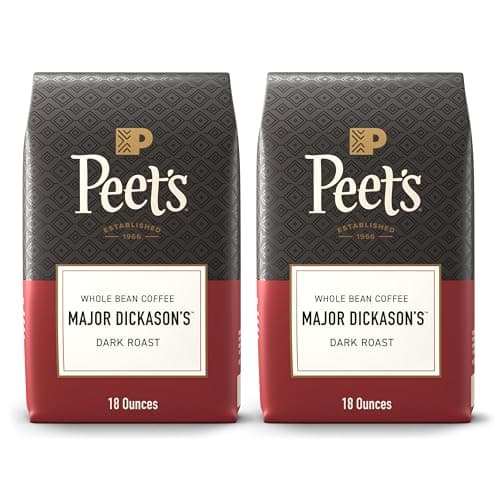
The alternatives on the page split by what you are optimizing for. Lavazza Super Cremais the pick if espresso crema and value matter most: its Arabica-and-Robusta blend produces a thick, stable, forgiving crema that flatters a shot while you are still learning, and the big 2.2-pound bag is far cheaper per pound than illy's cans. You trade illy's all-Arabica cleanliness for more crema and more coffee per dollar. Peet's Major Dickason's Blendis the pick if illy's smooth, mild character reads as too quiet for you — it is a bold, full-bodied dark roast with far more roast presence, and it stands up to milk in a way a delicate medium never will.
So who should buy Illy Classico, and who should skip it? Buy it if you want a smooth, clean, all-Arabica cup that is the same every time and stays fresh in the can — for the drinker who prizes a dependable, refined espresso over a rotating adventure, it is one of the best picks on the espresso shelf. Skip it if you want maximum crema for milk drinks on a budget, where Lavazza Super Crema is the smarter money, or if you are chasing bright, complex, specialty flavor, where a fresh single origin or a specialty medium roast will take you somewhere Classico deliberately does not go. As always, we did not cup this in a lab — we worked from what the roaster publishes and a live price, per our how we research page.
Who should buy Illy Classico — and who shouldn't
Buy it ifyou want a smooth, clean, all-Arabica cup that tastes the same every single time. Classico's 100% Arabica recipe gives a cleaner, less bitter shot than the Robusta crema blends, illy's consistency is legendary, and the pressurized can keeps the beans fresher than a paper bag. For the drinker who values a dependable, refined espresso over constant experimentation, that reliability is the whole appeal.
Skip it if you want maximum crema for milk drinks on a budget — the all- Arabica blend makes a thinner, more delicate crema than Lavazza Super Crema, and illy sells smaller cans at a higher price per pound. Skip it too if you are chasing bright, complex, specialty character: Classico is smooth and consistent, not third-wave, so a fresh single origin or specialty medium roast is the better shelf if complexity is what excites you.
Arabica vs the Robusta crema blends
The choice between illy and a bean like Lavazza Super Crema really comes down to Arabica versus Robusta. Classico's 100% Arabica gives smoothness and a cleaner, less bitter shot but a thinner crema; a Robusta blend gives a thicker, more forgiving crema and more punch but a less refined cup. Neither is "better" — they are different priorities. Our Arabica vs Robusta guide lays out the trade-off in full.
How to brew it well
Grind it fresh right before brewing with a burr grinder— a smooth, delicate coffee rewards a clean, even grind and is hurt most by a coarse, uneven one. Dial a careful, balanced espresso recipe rather than a heavy-handed one; Classico's charm is finesse, not force. Once the can is open, store it well to protect that freshness — see how to store coffee beans.