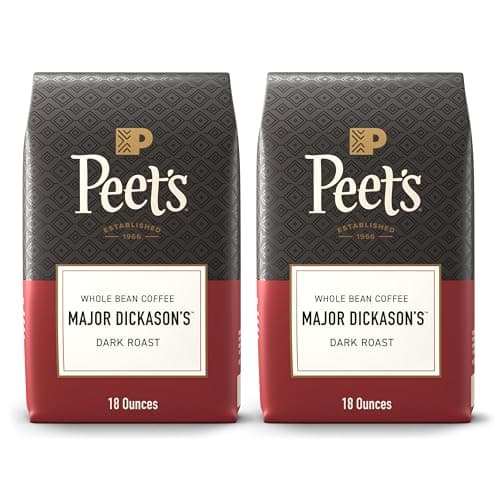
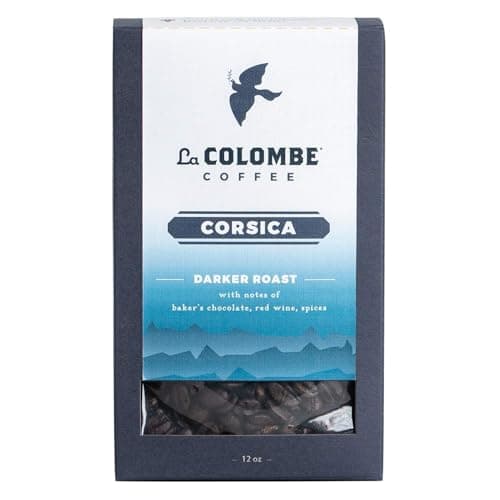
Start with Lavazza Super Crema. It is the right first bag for almost anyone making lattes at home: a medium espresso roast with Robusta in the blend, which gives you a thick, stable crema and a mild, nutty shot that is forgiving while your technique is still rough — and at 2.2 lb it is cheap enough per pound that you can afford to waste a few shots learning. If you want more depth and less sweetness, go to Peet's Major Dickason's Blend. If you want the specialty version of that same idea, La Colombe Corsica.
The reason the ranking looks like this is the single most useful fact about milk drinks: milk flattens a coffee. Milk fat coats the palate and milk sugars read as sweetness, and between them they mute acidity and smother delicate aromatics. A bright Ethiopian that tastes of blueberry as a black pour-over turns into vaguely fruity warm milk in a 10 oz latte. That is not a flaw in the coffee; it is a mismatch. A latte needs a bean with enough body and roast depth to still be audible through six ounces of steamed milk.
So the criteria here are deliberately not the ones you would use for pour-over. We ranked on body and crema (does the shot hold up in milk), roast depth (chocolate and nut notes survive milk; floral and citrus notes do not), forgiveness (can you pull a decent shot on an average day), and honest value per pound — because milk drinks use a double shot and a latte habit goes through beans fast.
The forgiving workhorses
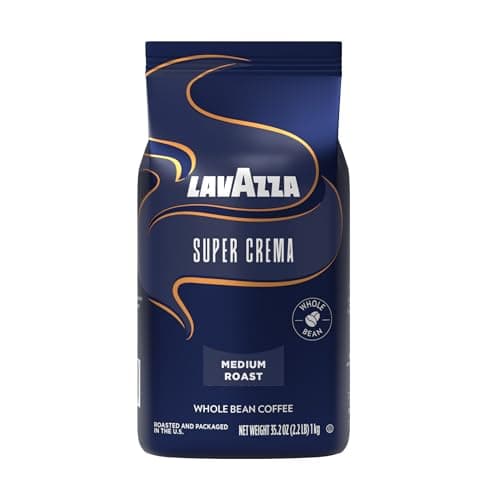
Lavazza Super Cremawins because of what the Robusta does. Robusta contributes a thicker, more stable crema than all-Arabica blends, and crema is the part of the shot that visibly survives milk — it is why a well-made cappuccino has that hazelnut-colored top. It is also mild, nutty and low-acid, so it tastes pleasant even when your grind is slightly off. The honest cons are the other side of that coin: forgiving and mild also means it lacks the complexity of a specialty single origin, and supermarket bags can sit a while, so check the roast date when you can.
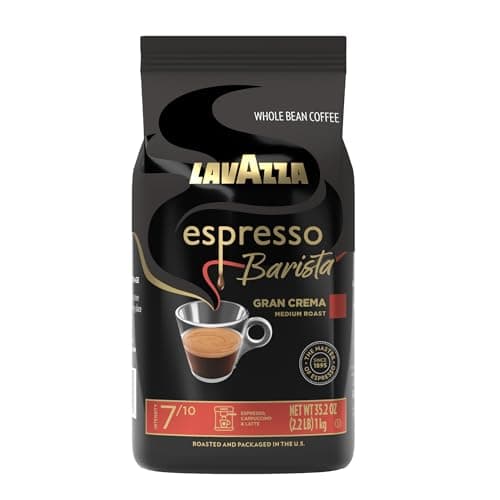
Lavazza Gran Crema is the same idea with a bit more intensity and fuller body, and the same generous crema. The difference between the two is genuinely small. Our advice is unglamorous and correct: buy whichever is cheaper the week you are shopping, and do not overthink it.
The dark roasts that punch through
Peet's Major Dickason's Blendis the dark-roast benchmark and the pick if your complaint about your lattes is that they taste thin or sour. It is deep, rich and full-bodied, and it was built to stand up to milk — it works in espresso, drip or press alike, which matters if the same bag has to feed a drip machine on weekdays. The trade is that dark roasting flattens origin character: you taste the roast more than the bean. For a latte that is usually the right trade.
La Colombe Corsicais the specialty-roaster answer to the same brief — deep and chocolatey, with baker's chocolate and red wine notes, but cleaner and less charred than commodity dark blends. Full body makes it excellent in espresso and superb with milk. It costs more than the grocery dark roasts, and it is still a dark roast, so origin brightness is deliberately subdued. If you love dark but find Peet's a little blunt, this is the upgrade.
When your setup is dialed in
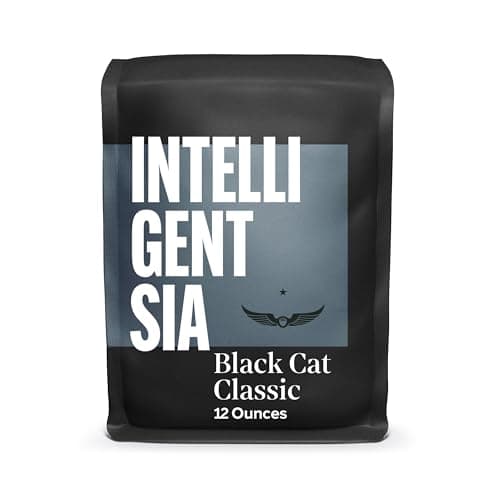
Intelligentsia Black Cat Classic Espressois blended and roasted specifically for espresso, and it is sweet and syrupy in a way that genuinely improves a flat white — the drink with the least milk, where the coffee has the most to say. It is less forgiving than a Robusta crema blend, and freshness matters more. Buy it once your shots are consistent, not while you are still learning.
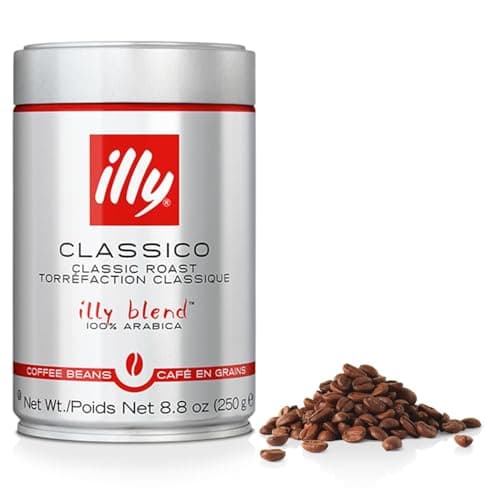
Illy Classicois the outlier and it is here for a specific person: someone who wants the smoothest, cleanest, least bitter milk drink and does not care about crema thickness. 100% Arabica gives a smoother shot than the Robusta blends, illy's batch-to-batch consistency is famous, and the pressurized can keeps the beans fresher than a paper bag on a shelf. The cost is a thinner, more delicate crema and a higher price per pound because the cans are small.
What to avoid for lattes
Three things, briefly. Bright, acidic light roasts— they are wonderful black and disappear in milk; read best light roast coffee if you want to drink those the way they are meant to be drunk. Delicate, expensive single origins— you are paying for nuance that the milk removes. And pre-ground coffee of any kind, which is stale within days of the bag opening and makes dull espresso in any machine; whole bean vs ground explains why that gap is so much bigger than people expect.
Why milk mutes coffee, and what survives it
Two mechanisms. Milk fat physically coats the tongue, which blunts the perception of acidity and of volatile aromatics — the floral and fruit notes a light roast is sold on. And lactose plus the sweetness released by steaming reads as sugar, which further masks anything delicate. What gets through is body, bitterness and roast-derived flavor: chocolate, caramel, nut, toast. That is exactly the flavor vocabulary of a medium-dark espresso blend, and it is not a coincidence that this is what cafes pull for milk drinks.
It also explains the common complaint that a latte tastes like nothing. Usually the bean is too bright for the drink, the dose is too low, or the milk ratio is too high — and the quickest fix is a bean with more body, not a more expensive one.
Roast level: aim medium to dark, not dark-and-oily
Medium-dark is the sweet spot for milk. It has the body and the chocolate notes without the ashy edge of a very dark roast, and it still has some sweetness of its own. Going very dark does buy you more presence in milk, but past a point it only tastes of roast, and light vs dark roast covers where that line falls.
One practical warning if you own a bean-to-cup machine: very dark, visibly oily beans can clog a hopper and gum up a burr chamber, and manufacturers advise against them. On a super-automatic, stay medium to medium-dark and keep the shine off the beans.
Robusta is not a dirty word in a latte
Specialty coffee culture treats Robusta as the cheap filler, and in bad coffee it is. In a milk drink, a measured amount of it does something useful: it raises crema volume and stability and adds a bittersweet backbone that cuts through milk. That is the whole design logic of Italian espresso blends like Super Crema and Gran Crema, and it is why they outperform more expensive all-Arabica bags in a cappuccino while losing to them as a black shot. Pick the bean for the drink.
Freshness, and the window that actually matters
Buy whole beans and grind immediately before brewing — that single habit does more for your latte than any upgrade on this page. Look for a roast date rather than a best-before date, and aim to use a bag within roughly a month of roasting for espresso, with the first week or so after roasting being the awkward degassing period where shots gush and taste hollow. Keep the bag sealed, at room temperature, away from light; our storage guide and the storage container roundup cover the details, and how long coffee beans last has the timeline.
Dose and ratio beat bean choice
If your latte is weak, the bean is the third thing to check. First: are you pulling a double, around 18 g in, rather than a single? Second: how much milk is in the cup? A 16 oz latte on one double shot will taste like milk no matter which bag you bought — either pull two shots or drink a smaller drink. A flat white is a 6 oz drink for exactly this reason. Our how to make a latte at home guide has the ratios, and how to dial in espresso covers getting the shot itself right first.