Single-origin coffee is the upgrade that changes how you taste coffee. Where a blend is engineered to be consistent and dependable, a single origin is the opposite bet: one coffee, from one place, tasting distinctly of where it grew. That's the whole appeal — instead of a smooth, anonymous cup, you get the floral lift of an Ethiopian or the nutty balance of a Colombian, and you start to notice that coffee has a sense of place the same way wine does. It's the natural next step for anyone who has drunk enough good blends to wonder what else is out there.
We ranked these three on how clearly each one shows its origin first, because that's the entire reason to buy single origin; then on quality and how well the bean rewards careful brewing; then on value and freshness. Tasting descriptions stay close to what each roaster publishes rather than invented notes, and prices render live, so the value calls track what a bag costs today rather than a stale figure. All three are whole bean, because grinding fresh matters more for a distinctive coffee than for anything else on the site.
First, what "single origin" actually means. A blend mixes beans from several places to hit a target flavor the roaster can reproduce year after year — it trades distinctiveness for reliability, which is exactly what most people want from a daily coffee. A single origincomes from one defined source: a single country, and often a single region, cooperative, or even farm. Because it isn't balanced against other beans, its particular character comes through undiluted — the good and the interesting parts alike. Neither is better in the abstract. A blend is a reliable cup; a single origin is a specific one, and if you want to taste differences rather than smooth them away, single origin is the point.
Why does origin drive flavor so much? Because where a coffee grows — the altitude, the soil, the climate, the variety of the plant, and how the cherry is processed after picking — shapes the bean before it's ever roasted. High-grown East African coffees like Ethiopian Yirgacheffe tend toward bright, floral, citrusy, tea-like flavors; South American coffees like Colombian Supremo tend toward balanced, sweet, nutty, caramel-leaning cups. That's not marketing; it's the reason a light-to-medium roast is used for single origins in the first place — a lighter roast preserves those origin flavors, while a dark roast burns them off and leaves you tasting the roast instead of the place. If you want to see that spectrum laid out, our light vs dark roast guide covers it.
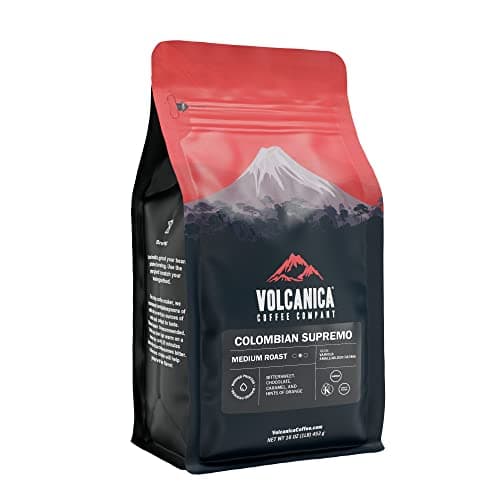
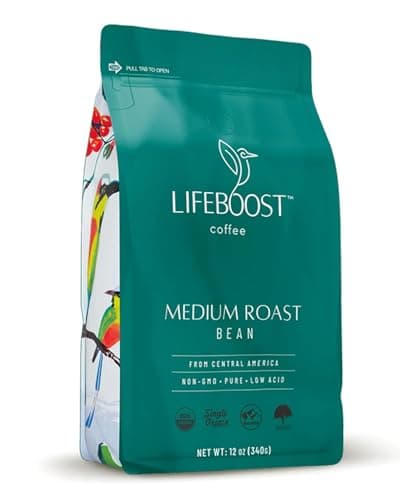
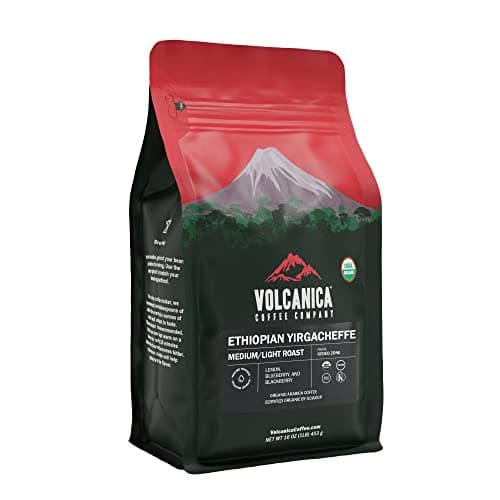
Volcanica Ethiopian Yirgacheffetakes the top spot as the single origin that most makes the case for the whole category: it's classic Yirgacheffe — bright, floral, and citrusy — the kind of cup that tastes unmistakably of somewhere, and it's organic and single-origin so you know exactly what you're drinking. Brew it as a pour-over and those aromatics sing. Volcanica Colombian Supremo is the versatile everyday single origin — balanced, nutty, and caramel-sweet, easy to like, and the rare single-origin bag that pulls a decent espresso and makes a great drip cup from the same beans. If the Ethiopian is a showpiece, the Colombian is the one you reach for every morning. Lifeboost Organic Medium Roastrounds it out as the gentle, low-acid single origin: organic, third-party tested, and smooth enough to drink black, it's the pick if you want the transparency of single origin without the bright acidity that some Ethiopians bring — especially if regular coffee is hard on your stomach.
The habit that unlocks all three is the same: grind fresh, right before you brew. A single origin's whole value is its distinctive aromatics, and those are the first thing to fade once coffee is ground — so buying a bright Yirgacheffe and letting it sit pre-ground is throwing away exactly what you paid extra for. A quality burr grinder matters more here than for any forgiving blend, because even, consistent grounds are what let a nuanced coffee extract cleanly instead of turning muddy. If you upgrade one thing when you move to single origin, upgrade the grinder before the beans.
Then pair the bean to the brew. Bright, aromatic single origins like the Ethiopian are happiest in a clean, high-clarity method — pour-over or another filter brew — where the paper lifts the floral and citrus notes and the delicacy has room to show. A balanced, sweeter origin like the Colombian is genuinely versatile and does well across drip, press, and even espresso, which is what makes it such a practical everyday buy. The low-acid Lifeboost is smooth enough for anything and especially kind in a straightforward drip pot. Match the method to the bean and you get the coffee at its best; force a delicate filter coffee through an espresso machine and it can turn sour. Our coffee-to-water ratio guide helps you dial whichever route you take.
A word on the enthusiast angle, because that's who single origin is really for. Buying one is a small act of paying attention: you notice the region on the bag, you taste for the notes the roaster describes, and over a few bags you start to learn what you actually like — bright and floral, or balanced and nutty, washed or natural process. It's more involving than grabbing a can, and that's the appeal. It also means single origins reward a bit more care in brewing and a bit less forgiveness for sloppiness, so they suit the drinker who wants to lean in, not the one who wants a machine to do everything.
The honest limits, pick by pick. The Ethiopian Yirgacheffe is bright and delicate by design, which is glorious in a filter and a liability in espresso, where it can read thin or sour; its nuance also punishes careless brewing more than a bold blend would. The Colombian Supremo's strength — its easy, balanced approachability — is also its ceiling: it's less distinctive than a standout aromatic origin or a dedicated espresso blend, so if you specifically want a showstopper cup, it plays it safe. Lifeboost carries a real premium for its low-acid, tested credentials, so if acidity doesn't trouble you, you're paying for a benefit you may not need, and its smoothness trades away some of the brightness enthusiasts chase.
Not sure where to start? Buy the Ethiopian Yirgacheffe if you want to taste why single origin is worth the fuss and you brew filter or pour-over; the Colombian Supremo if you want one distinctive bean that still does everything from drip to espresso; and Lifeboost if you want the transparency of single origin in a gentle, low-acid cup that's easy on the stomach. Whichever you choose, grind fresh, match it to your brewer, and taste for the place — that's the entire point, and it's a genuinely fun one.
How to choose a single-origin coffee
Single origin rewards a little more attention than grabbing a blend, and pays it back in a cup that tastes of somewhere specific. Here is how to buy so that character actually reaches your mug.
Know what you're buying: origin over uniformity
A single origin comes from one country and often one region or farm, so its particular character arrives undiluted — you're buying distinctiveness, not the year-round sameness a blend promises. If you want a cup that's always identical, a blend is the smarter buy. If you want to taste the difference between an Ethiopian and a Colombian, that difference is exactly what single origin delivers.
Let the region set your expectations
Origin is the single best predictor of flavor. As a rough map: East African coffees like Ethiopian Yirgacheffe lean bright, floral, and citrusy; South and Central American coffees like Colombian Supremo lean balanced, sweet, and nutty. Read the region on the bag and you already know roughly what to expect. Match it to what you like — brightness and aroma, or balance and body — rather than buying blind.
Favor lighter-to-medium roasts
The whole reason to buy single origin is to taste the place, and a dark roast burns those origin flavors off — past a certain point you taste roast, not region. That's why good single origins are roasted light to medium, and why all three picks here sit in that range. If you love dark, bold coffee, single origin isn't really the category for you; our best dark roast roundup is the better shelf. For everyone else, lighter preserves what you came for.
Grind fresh — it matters most here
A single origin's aromatics are its value, and they fade fastest once ground. Buy whole bean and grind right before brewing with a quality burr grinder; even, consistent grounds let a nuanced coffee extract cleanly instead of turning muddy or sour. This is the upgrade that matters more than trading up the beans themselves — a great single origin ground stale loses to a humbler one ground fresh.
Pair the bean to the brew method
Bright, delicate origins shine in clean filter methods like pour-over, where the paper lifts the florals. Balanced, sweeter origins are versatile enough for drip, press, and espresso alike. Forcing a delicate light-roast single origin through an espresso machine often turns it sour, so match the method to the bean — or buy a balanced Colombian if you want one bag that does everything.
Buy fresh and in a size you'll finish
Look for a roast date rather than a distant "best by," and buy a size you'll drink within a month. Single origins are usually sold in smaller bags for exactly this reason — the delicate character they're prized for is the first thing to go stale. Store the bag airtight, away from light and heat, and keep only a few days' worth in your daily jar. Freshness protects the very quality you paid the premium for.
Consider acidity and your stomach
Bright single origins carry more perceived acidity, which is a joy for some drinkers and a problem for others. If regular coffee is hard on your stomach, a smoother, low-acid single origin like Lifeboost gives you the transparency of single origin without the sharpness — and our best low-acid coffee guidegoes deeper. If acidity doesn't bother you, you don't need to pay the low-acid premium; a standard medium single origin costs less.