Skip to content
Bean & Burr

HUB 01 · Espresso Machines

The Best Espresso Machines Under $1,000

The mid-premium tier, ranked honestly. What an extra few hundred over the entry machines really buys you — steadier temperature, better milk, and guidance versus raw skill — plus a straight note that several great sub-$500 machines make this list too.

By Stephen V.Updated How we research
#ad

We earn a commission when you buy through our Amazon links, at no extra cost to you. It never affects our rankings, and we say so when the cheaper product is the better buy. How this works.

Under $1,000 is the tier most serious home drinkers eventually land in — the band above the sub-$500 machines people usually start on, and well below the imported prosumer gear that costs as much as a used car. It is where an extra few hundred dollars stops buying novelty and starts buying real capability. So the honest question this list answers is not only which machine is best, but what that extra spend actually gets you over an entry machine, and whether you need to make it at all.

Three things separate this tier from the cheapest machines. The first is temperature stability: several picks here use the digital temperature control their makers rate to hold brew water far steadier than a basic single-boiler entry machine, and steady temperature is the difference between a shot that tastes the same every morning and one that drifts sour or bitter. The second is the milk system — better steam wands, and on the Breville machines an automatic milk-texturing wand that Breville rates to make café-grade microfoam with no technique. The third is guidance and convenience: touchscreens and displays that walk you through each drink, built-in grinders, and near-instant heat-up. What you are not necessarily buying is a fundamentally different shot; you are buying consistency, better milk, and a machine that either teaches you or does the work for you.

Two of the six machines below actually sell for well under $500, and that is deliberate. The Gaggia Classic Pro and the Breville Bambino Plus earn their places on capability, not price, and if either fits how you want to make coffee, you have no reason to spend up to the top of this tier. If your budget is firmly lower, our best machines under $500 and best budget picks cover that ground in full. This list is for the person deciding how much of the under-$1,000 range they actually need.

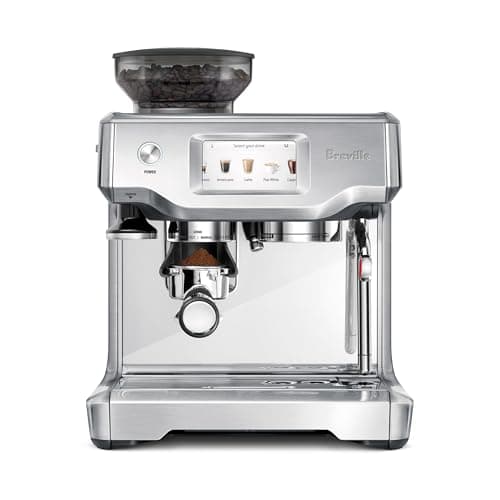
The Breville Barista Touch takes the top spot as the most complete machine in the tier. It folds a conical burr grinder, a color touchscreen that walks you through each drink, and an automatic milk-texturing wand into one box, so a total beginner can grind, pull, and steam a café-style milk drink on day one with almost no learning curve. Breville rates the auto-steam to hit a set temperature and texture on its own, which is the single feature that removes the hardest part of espresso for a newcomer. The honest catch is that you pay a real premium for the screen and the auto-milk rather than for a better shot — the espresso itself is close to what the cheaper Barista Express pulls — so this is the pick for someone who values the guided, hands-off experience enough to fund it.

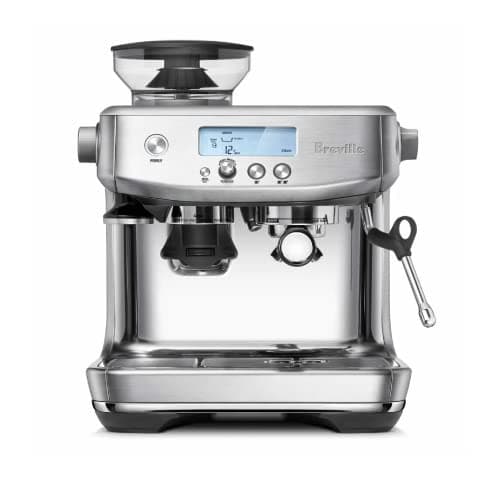
The Breville Barista Proranks second as the value-conscious version of the same idea. It keeps the built-in grinder and adds Breville's ThermoJet heater, which the company rates to reach temperature in about three seconds, plus an LCD that makes grind size and shot timing visible instead of guesswork. What it drops next to the Touch is the touchscreen hand- holding and the automatic milk texturing — its wand is manual, so you steam the milk yourself. If you are happy to learn the wand, the Pro gets you most of the Touch's capability for meaningfully less, and the difference is better spent on beans. It is still a single-boiler machine, so the fundamental limits match the cheaper Brevilles; the upgrade is speed and visibility, not a new class of shot.

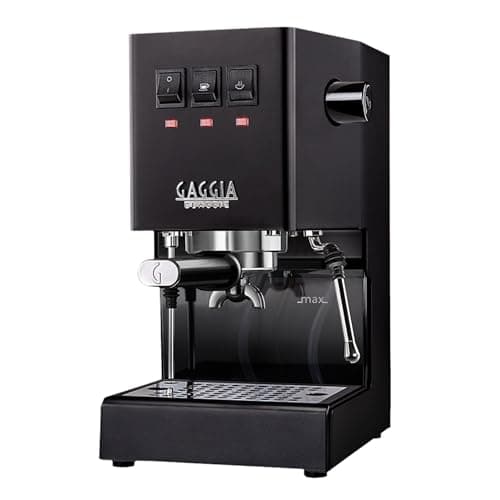
The Gaggia Classic Evo Prosits third and is the enthusiast's way into this tier despite costing the least on the list. It fits a genuinely commercial 58mm portafilter — the same size cafés use — in a metal-bodied home machine, which means accessories are everywhere and your skills transfer straight up if you ever step to prosumer gear. Its steam wand is a real one, so you learn to texture microfoam by hand rather than push a button. The trade is that it offers no training wheels: it has no grinder, and as a single boiler it has a well-documented temperature quirk the community has spent years writing workarounds for. It rewards a good grinder and good technique and is unforgiving of neither — a learner's machine, not a plug-and-play one.

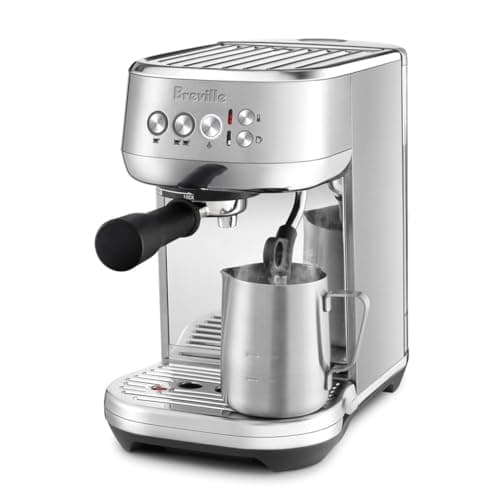
The Breville Bambino Plus ranks fourth as the best small-footprint value here. It has no grinder, so it is only half a setup until you pair it with one, but Breville rates it at a roughly three-second heat-up and fits the same automatic milk-texturing wand as the Barista Touch, in a body barely bigger than a toaster. For someone who already owns a grinder and wants café-grade milk with no technique on a cramped counter, it is arguably the smartest buy on this page — which is exactly why it leads our best compact machines list too. Its limits are the tiny water tank and the missing grinder, both of which you must plan around. The full case is in our Bambino Plus review.

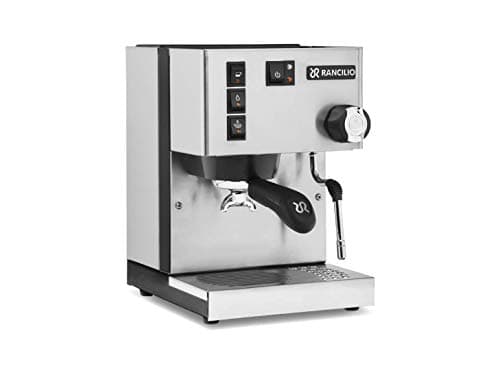
The Rancilio Silvia ranks fifth as the machine you buy to learn espresso properly on hardware that will outlast most of your kitchen. It is a commercial-grade single boiler with a real 58mm group and a commercial steam wand — famously durable, endlessly repairable, and backed by a mod community decades deep. The honest trade is that as a single boiler it makes you wait and temperature-surf between pulling a shot and steaming milk, and it ships without PID unless you add one, which is why fitting a PID is the most common Silvia mod of all. It is not the do-it-all machine the Brevilles are; it is a deliberate, hands-on teacher whose skills carry straight into the prosumer tier above it.

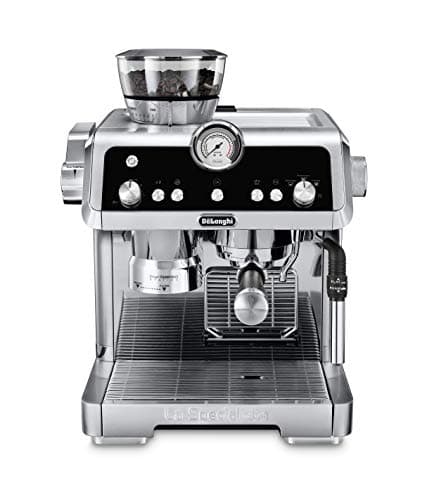
The De'Longhi La Specialistarounds out the list as the most guided semi-automatic here. It builds in a sensor grinder and a smart tamping station designed to remove two of the steps beginners get wrong most often, and De'Longhi rates it with a dual heating system that handles shot and steam temperatures more independently than a single boiler. That guidance is its strength and its ceiling: the same features that reassure a beginner get in an enthusiast's way once the technique is learned, and the smart-tamp mechanism is another part that can eventually need service. It is the pick for someone who wants a machine to feel approachable out of the box rather than one to tinker with.

None of these were in our hands. We compiled the manufacturers' published specifications, reasoned through what each design can and cannot do, and priced everything live. Where a machine's reputation rests on a documented trait — Breville's rated three-second heat-up, the Silvia's commercial group, the Gaggia's temperature quirk — we say so rather than pretend we measured shot temperatures ourselves. The full method is on our how we research page.

The short answer

Quick picks

#ProductBest forScorePrice
01
Breville Breville Barista Touch (BES880)
Breville Barista Touch (BES880)

The Barista Express with a touchscreen and automatic milk texturing — it does the milk for you, if you'll pay for that.

People who want a guided, hands-off espresso setup
8.2
$938.00Amazon
02
Breville Breville Barista Pro (BES878)
Breville Barista Pro (BES878)

The Barista Express with a faster heating system and a screen. Nicer, not transformative.

A step up from the Express, if the budget stretches
8.0
$829.99Amazon
03
Gaggia Gaggia Classic Evo Pro
Gaggia Classic Evo Pro

The enthusiast's entry machine. A commercial-style 58mm portafilter at a home price.

People who want to learn espresso, not be shielded from it
7.8
$501.21Amazon
04
Breville Breville Bambino Plus (BES500)
Breville Bambino Plus (BES500)

The one to buy if you already have a grinder. Tiny, fast to heat, and it auto-steams milk.

People who already own a grinder
8.2
$499.95Amazon
05
Rancilio Rancilio Silvia
Rancilio Silvia

The classic skill-builder — a commercial-grade single boiler that teaches you real espresso.

Learning espresso properly
7.8
$995.00Amazon
06
De'Longhi De'Longhi La Specialista (EC9335M)
De'Longhi La Specialista (EC9335M)

The Barista Express's main rival — built to hide the fiddly parts of espresso from you.

Beginners who want it to feel guided
7.8
$720.43Amazon

#ad · Live prices from the Amazon Product API, as of Jul 29, 2026. Where we have no verified live price, we show none — we would rather leave a gap than print a number that has rotted.

In detail

The picks, in full

01
Breville Breville Barista Touch (BES880)

People who want a guided, hands-off espresso setup

Breville Barista Touch (BES880)

Color touchscreenBuilt-in conical burr grinderAutomatic milk texturing54mm portafilter
8.2/10

The Barista Express with a touchscreen and automatic milk texturing — it does the milk for you, if you'll pay for that.

Shot quality
8
Steam & milk
9
Ease of use
9
Build quality
8
Value
7

Pros

  • The touchscreen walks you through each drink, so there's almost no learning curve compared with a manual machine
  • Automatic milk texturing steams your milk to a set temperature and texture without babysitting the wand
  • Same built-in grinder convenience as the Barista Express — grind, dose, and pull from one box

Cons

  • You pay a real premium over the Barista Express for the screen and auto-steam, not for a better shot
  • The auto-steam gives you less control than learning the wand yourself, and it's another thing that can fail

Don't buy this if…

you're happy to learn the steam wand. The Barista Express pulls the same shot for meaningfully less — put the difference toward a better grinder or beans.

$938.00View on Amazon

$999.956% off

Price as of Jul 29, 2026. Prices change — Amazon's is the one that counts.

#ad · we may earn a commission from this link to Breville Barista Touch (BES880)

02
Breville Breville Barista Pro (BES878)

A step up from the Express, if the budget stretches

Breville Barista Pro (BES878)

Built-in grinderThermoJet 3-second heat-up54mm portafilterLCD display
8.0/10

The Barista Express with a faster heating system and a screen. Nicer, not transformative.

Shot quality
8
Steam & milk
8
Ease of use
9
Build quality
8
Value
7

Pros

  • The ThermoJet heater reaches temperature in seconds, so there's no warm-up wait like the Express has
  • The LCD makes grind size and shot timing visible instead of guesswork
  • Same built-in grinder convenience as the Express, in a slightly more refined package

Cons

  • Meaningfully more expensive than the Express for a difference most home users won't feel day to day
  • Still a single boiler — the fundamental limits are the same as the cheaper machine

Don't buy this if…

the budget is tight. The Barista Express does the same core job for less, and the money saved buys a lot of good beans. This is a comfort upgrade, not a capability one.

$829.99View on Amazon

Price as of Jul 29, 2026. Prices change — Amazon's is the one that counts.

#ad · we may earn a commission from this link to Breville Barista Pro (BES878)

03
Gaggia Gaggia Classic Evo Pro

People who want to learn espresso, not be shielded from it

Gaggia Classic Evo Pro

58mm commercial portafilterMetal bodyCommercial steam wandHugely moddable
7.8/10

The enthusiast's entry machine. A commercial-style 58mm portafilter at a home price.

Shot quality
9
Steam & milk
8
Ease of use
6
Build quality
8
Value
8

Pros

  • The 58mm portafilter is the same size commercial machines use — accessories are everywhere and skills transfer upward
  • A metal body and a genuinely enthusiast-favorite platform with a deep community and endless mods
  • The steam wand is a real one — you learn to texture milk properly, not push a button

Cons

  • No grinder, no training wheels — it rewards a good grinder and good technique and punishes neither gently
  • Single boiler with a temperature-stability quirk that the community has spent years documenting workarounds for

Don't buy this if…

you want plug-and-play. This is a learner's machine that expects you to meet it halfway — if that sounds like a chore rather than a hobby, the Bambino Plus is the friendlier buy.

$501.21View on Amazon

Price as of Jul 29, 2026. Prices change — Amazon's is the one that counts.

#ad · we may earn a commission from this link to Gaggia Classic Evo Pro

04
Breville Breville Bambino Plus (BES500)

People who already own a grinder

Breville Bambino Plus (BES500)

No built-in grinder54mm portafilter3-second heat-upAutomatic milk texturing
8.2/10

The one to buy if you already have a grinder. Tiny, fast to heat, and it auto-steams milk.

Shot quality
8
Steam & milk
8
Ease of use
9
Build quality
7
Value
9

Pros

  • Breville rates it at a 3-second heat-up — you genuinely can go from cold to a shot faster than a kettle boils
  • The automatic milk-texturing wand froths to a set temperature and texture with no technique required, which is the feature beginners actually benefit from
  • A tiny footprint that fits a cramped counter where the Barista Express won't

Cons

  • No grinder, so you must own or buy one — factor that into the real price
  • Small water tank means frequent refills if you make several drinks a day

Don't buy this if…

you don't have a grinder and don't want to buy one. Pre-ground coffee makes bad espresso in any machine, and this one gives you nowhere to grind — get the Barista Express instead.

$499.95View on Amazon

Price as of Jul 29, 2026. Prices change — Amazon's is the one that counts.

#ad · we may earn a commission from this link to Breville Bambino Plus (BES500)

05
Rancilio Rancilio Silvia

Learning espresso properly

Rancilio Silvia

Single boiler58mm commercial portafilterCommercial steam wandBuilt to last
7.8/10

The classic skill-builder — a commercial-grade single boiler that teaches you real espresso.

Shot quality
9
Steam & milk
8
Ease of use
6
Build quality
9
Value
7

Pros

  • A genuinely commercial-grade group head and portafilter in a home machine — skills and accessories transfer straight up to café gear
  • Famously durable and endlessly repairable, with a deep enthusiast community and mod ecosystem
  • The steam wand is a real one; you learn to texture proper microfoam by hand

Cons

  • Single boiler, so you wait and temperature-surge between shot and steam — no PID unless you add one
  • No training wheels: it rewards good technique and a good grinder, and punishes neither gently

Don't buy this if…

you want convenience or milk drinks made easy. The Silvia is a deliberate, hands-on machine — for one-touch coffee, a super-automatic is the opposite and correct choice.

$995.00View on Amazon

Price as of Jul 29, 2026. Prices change — Amazon's is the one that counts.

#ad · we may earn a commission from this link to Rancilio Silvia

06
De'Longhi De'Longhi La Specialista (EC9335M)

Beginners who want it to feel guided

De'Longhi La Specialista (EC9335M)

Built-in sensor grinderDual heating systemSmart tamping stationActive temperature control
7.8/10

The Barista Express's main rival — built to hide the fiddly parts of espresso from you.

Shot quality
8
Steam & milk
8
Ease of use
8
Build quality
8
Value
7

Pros

  • The grinder and the tamping station are designed to remove two of the steps beginners get wrong most often
  • De'Longhi rates it with a dual heating system, so the shot and steam temperatures are handled more independently than a single boiler
  • Feels approachable out of the box — less dialing-in anxiety than a bare machine

Cons

  • The guided approach means less control than the Breville once you know what you're doing
  • Bulky, and the smart-tamp mechanism is another part that can eventually need service

Don't buy this if…

you want to learn espresso properly and tinker. The features that help a beginner are the same ones that get in an enthusiast's way — the Barista Express is the more open tool.

$720.43View on Amazon

Price as of Jul 29, 2026. Prices change — Amazon's is the one that counts.

#ad · we may earn a commission from this link to De'Longhi La Specialista (EC9335M)

How to choose an espresso machine under $1,000

This tier is where overspending is easiest, because the marketing leans on features that sound essential and often are not. Here is how to decide how much of the range you actually need, in the order that changes what ends up in the cup.

1. First, name the limit you're trying to clear

The most useful question is not "what's the best machine?" but "what does my current setup fail to do?" If you are buying your first machine, or you don't yet dial shots by weight and time, much of what this tier adds is a ceiling you can't reach yet, and a sub-$500 machine plus a great grinder will serve you better. Step up when you can name the specific limit — inconsistent temperature, a milk system you've outgrown, no grinder, a shot you can't dial in. If you can't name it, the honest advice is to start lower; our best machines for beginners guide is the better starting point.

2. Grinder built in, or grinder alongside?

The single biggest fork on this page is whether the machine includes a grinder. The Barista Touch, Barista Pro, and La Specialista build one in, so one purchase gets you a complete grind-to-cup setup — the right answer for most first-time buyers who don't already own a grinder. The Bambino Plus, Gaggia Classic Pro, and Rancilio Silvia have no grinder, which keeps their price down but means you must budget for a separate one. That is not a downside if you already own a grinder, or if you want to spend on a better standalone one — see our best grinders for espresso. Just never pair a machine at this level with a cheap grinder; the grinder decides more of the cup than the machine does.

3. Temperature stability is the quiet upgrade

Espresso is fussy about brew-water temperature, and small drifts show up as sourness or bitterness. The machines here vary in how they handle it: Breville rates its machines with digital temperature control, De'Longhi rates the La Specialista with a dual heating system, and the Gaggia and Silvia are single boilers that trade steadiness for simplicity and repairability — the Silvia's most popular mod is adding a PID for exactly this reason. If shot-to-shot consistency is a limit you've actually felt, temperature control is a concrete reason to spend up. If you haven't felt it, it's a benefit you'll grow into. Either way, our dialing-in guide is the reference.

4. Milk: automatic, manual, or learn-it-yourself

If you drink milk-based coffee, the milk system matters as much as the shot. The Barista Touch and Bambino Plus use Breville's automatic milk-texturing wand, which the company rates to hit a set temperature and texture hands-free — the closest thing to café microfoam with no skill. The Barista Pro, Gaggia, Silvia, and La Specialista give you a manual wand instead, which rewards practice with denser microfoam and latte art but asks you to do the work each time. Decide which person you are before you look at anything else; our guide to steaming milkexplains what "good milk" even means, and our best machines for lattes ranks specifically on milk.

5. Guidance vs control — the touchscreen question

The Barista Touch's screen and the La Specialista's smart tamping exist to shield you from the fiddly parts of espresso, and whether that is worth paying for depends entirely on your temperament. If you want a machine to make the decisions and get you to a good drink fast, that guidance is genuinely worth a premium. If you enjoy the craft — the reason someone buys a Gaggia or a Silvia — the same features feel like training wheels you'll want to remove. There is no right answer here, only a match between the machine's personality and yours. Be honest about which you are, because the wrong match is the most common regret in this tier.

6. Single boiler vs dual heating — waiting between shot and steam

None of the machines here is a true dual boiler — that's the prosumer tierabove this one — but they handle the shot-to-steam transition differently. The Breville ThermoJet and De'Longhi dual heating systems get to steam temperature fast, so the wait is short. The Gaggia and Silvia are single boilers that make you pause and manage the temperature between pulling a shot and steaming. For one or two drinks it barely matters; if you make several milk drinks back to back, the faster-heating machines are noticeably less annoying to live with.

7. Build, repairability, and the five-year view

A machine at this price should last, so ask how it ages. The Gaggia and Silvia are the standouts for longevity: metal bodies, commercial 58mm groups, and communities that keep them running for decades. The Breville machines have the least painful parts-and-service network in the US, which matters because they pack in more electronics — grinders, screens, auto-steam — that can eventually fail. The La Specialista's smart-tamp mechanism is one more moving part to consider. Buy the machine you can keep running, not just the one with the longest feature list, and match the complexity to how handy you're willing to be.

8. Spend the last dollars where they count

Whatever machine you pick in this tier, the highest-impact money left over goes to the grinder and the beans, not the machine. A great machine fed by a weak grinder is the most common and most expensive mistake here. If you're buying a grinder-less pick like the Bambino Plus or the Silvia, put real money into the grinder before the last of the budget on the machine, and keep fresh beans for espresso on hand — they are the one input that undoes everything else if you get them wrong.
How we picked

We do not run a testing lab

We compiled published manufacturer specifications, computed what each option costs to run where relevant, and cross-referenced aggregated owner reviews, then scored each product against a published rubric. The scores are judgments from documented research — they are not measurements we took, because we do not have a lab and we are not going to pretend we do. Where a number came from a manufacturer or a standard, we name it in Sources.

Questions

Frequently asked

What does spending up to $1,000 get you over a cheaper machine?
Mostly three things: steadier brew temperature, a better milk system, and either a built-in grinder or a screen that guides you. Several machines here use digital temperature control their makers rate to hold water far steadier than a basic single boiler, Breville's auto-texturing wand makes microfoam with no skill, and picks like the Bambino Plusadd near-instant heat-up. What you're not necessarily buying is a fundamentally better shot — it's consistency, milk, and convenience.
Do I really need to spend close to $1,000 on an espresso machine?
Honestly, most people don't. Two of the machines on this list sell for well under $500 and earn their spots on capability, not price. Step up toward the top of the range only when you can name a specific limit you've hit — inconsistent temperature, a milk system you've outgrown, or a shot you can't dial in. If you can't name the limit, a sub-$500 machine plus a great grinder and fresh beans will make you happier than spending more on a ceiling you can't reach yet.
Barista Touch or Barista Pro — which is worth it?
The Barista Touch adds a color touchscreen and Breville's automatic milk-texturing wand; the Barista Pro keeps a manual wand and a simpler LCD for meaningfully less. Both share the same built-in grinder and pull a very similar shot, so the question is milk and guidance. Buy the Touch if you want café-style milk drinks hands-free with almost no learning curve; buy the Pro if you're happy to learn the steam wand and would rather put the savings toward a better grinder or beans.
Is a machine like the Rancilio Silvia or Gaggia better than a Breville here?
It depends on whether you want to learn espresso or be helped through it. The Gaggia Classic Pro and Rancilio Silvia are commercial-style, endlessly repairable machines with 58mm groups that teach real technique and outlast most kitchens — but they have no grinder, no screen, and single boilers that make you manage temperature. The Brevilles are more convenient, better for milk, and easier for a beginner, at the cost of more electronics to eventually service. Neither is 'better'; they suit different temperaments.

Keep reading

Receipts

Sources

We do not run a testing lab, and we do not pretend to. Where a measured number came from a manufacturer spec sheet or a published standard, we name it and link it. Where we could not verify something, we say so on the page rather than quietly leaving it out. Read our full method.