Espresso and cold brew are about as far apart as two coffees can get. One is hot, fast, and forced through finely ground coffee under high pressure in less than a minute; the other is cold, slow, and steeped in cool water for many hours. They taste different, they are made with completely different gear, and they suit different moments. Yet both get described as "strong," which is where the confusion starts. This guide lays out how they actually differ — in method, acidity, concentration, and caffeine — and which one to reach for.
The quick answer
Espressois a small, intense, hot shot — concentrated flavor and body in 1 to 2 ounces, with brightness and a thick crema. Cold brewis a large, smooth, low-acid coffee steeped cold over 12 to 24 hours, mellow and easy to drink over ice. Espresso is more concentrated per ounce; cold brew is served in a much bigger volume, so a full glass can deliver as much or more total caffeine. Neither is simply "stronger" — they are strong in different ways.
How each is made
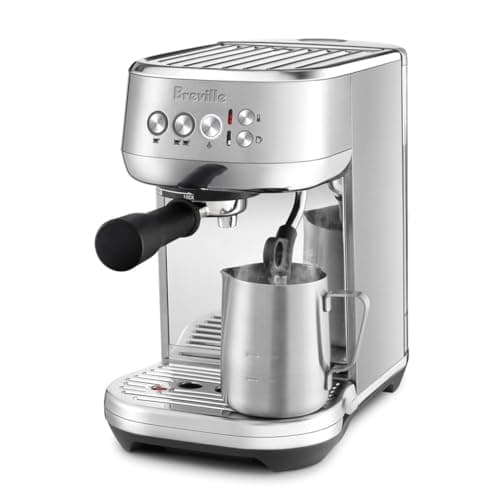
Espresso forces hot water through a compacted puck of finely ground coffee under roughly nine bars of pressure, extracting a concentrated shot in about 25 to 30 seconds. The heat and pressure pull out a huge amount of flavor, body, and aromatic oils very quickly, topped by the layer of crema. It requires an espresso machine and a capable grinder. See our how to make espresso at home guide for the method.
Cold brewtakes the opposite approach: coarsely ground coffee is steeped in cold or room-temperature water for 12 to 24 hours, then filtered out. There is no heat and no pressure — just a long, slow, gentle extraction that produces a smooth concentrate you dilute with water or milk. It needs no special machine, just a jar or a cold brew maker. Our how to make cold brew guide covers it.
Temperature and time
This is the root of every other difference. Espresso uses hot water (around 195 to 205°F) and finishes in under a minute. Cold brew uses cold water and takes 12 to 24 hours. Hot water extracts quickly and pulls out more acids and aromatic compounds; cold water extracts slowly and leaves many of those acidic and bitter compounds behind. That single contrast — hot and fast versus cold and slow — explains why the two taste so different.
Acidity and flavor
Because hot water extracts acids readily, espresso is brighter and more acidic, with a punchy, complex, sometimes fruity or tangy profile and a full, syrupy body. Cold brew, extracted cold, is markedly lower in acidity— smooth, mellow, chocolatey, and naturally a little sweet, with the sharp edges rounded off. If you find hot coffee too acidic on your stomach or palate, cold brew is often the gentler choice. If you love a bright, intense, expressive cup, espresso delivers it.
Concentration and serving size
Espresso is highly concentrated but tiny — a double shot is only about 2 ounces. Cold brew is brewed as a strong concentrate but then diluted and served in a large glass over ice, often 8 to 16 ounces. So espresso is more concentrated per ounce, while cold brew delivers a much larger total volume of coffee. This is exactly why comparing their "strength" is misleading: per sip, espresso is more intense; per glass, cold brew can carry more coffee overall.
Caffeine per serving
Caffeine follows the same logic. Per ounce, espresso is very caffeine-dense: USDA FoodData Central lists a 1-ounce espresso at around 63 mg, so a 2-ounce double shot lands near 125 mg. But because a serving of espresso is so small, the total per drink is modest. Cold brew is served in a much larger volume, and it is often made from a strong concentrate, so a full glass can equal or exceed a double shot — the exact amount depends entirely on how concentrated the brew is and how much it is diluted. For a baseline, the FDA notes that a typical 8-ounce cup of coffee contains roughly 80 to 100 mg of caffeine. Our how much caffeine is in cold brew and how much caffeine is in espresso guides break down the numbers.
Side by side
| | Espresso | Cold brew |
|---|
| Water temperature | Hot (~195-205°F) | Cold or room temperature |
| Brew time | ~25-30 seconds | 12-24 hours |
| Method | Pressure through fine grounds | Slow steep of coarse grounds |
| Acidity | Brighter, more acidic | Low, smooth, mellow |
| Serving size | 1-2 oz shot | Large glass over ice |
| Concentration | Very high per ounce | Strong concentrate, then diluted |
| Caffeine per serving | ~63 mg per oz (USDA); ~125 mg per double | Varies widely with dilution; can match or exceed a double |
The verdict: which should you choose?
Choose espressowhen you want an intense, hot, expressive coffee with real body — the base for lattes, cappuccinos, and every milk drink, or a quick, punchy shot on its own. Choose cold brew when you want a smooth, low-acid, refreshing coffee to sip over ice, especially in warm weather or if acidity bothers you. They are not really rivals: many people keep espresso for the morning and hot drinks, and cold brew for the afternoon and hot days. If your real question is cold brew versus other iced options, see our cold brew vs iced coffee comparison, and for the broader hot-coffee picture, coffee vs espresso.
Setting yourself up for each
Espresso and cold brew need almost opposite equipment and habits. Here is what to invest in depending on which you want — or both.
If you want espresso
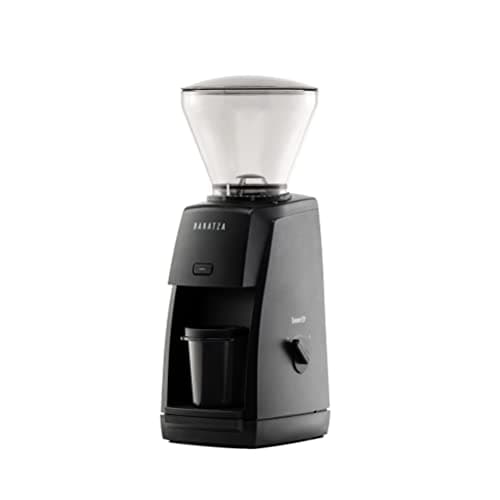
Espresso is the more demanding of the two. It stands on a machine that holds pressure and temperature and a grinder that can produce a fine, even, adjustable grind. Of the two, the grinder is often the higher-leverage upgrade, because espresso is unforgiving of uneven grounds. Pair a capable grinder with an espresso machine in your budget, and dial in a sweet shot using our how to dial in espresso guide.
If you want cold brew
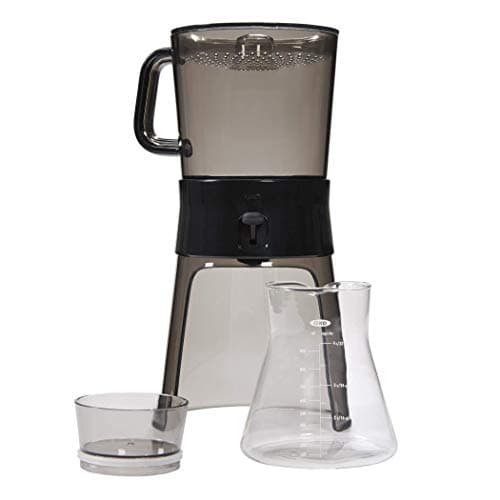
Cold brew is the low-equipment winner — you can make excellent cold brew in a jar, though a dedicated cold brew maker with a built-in filter makes batches cleaner and easier. The key variables are a coarse grind, a long steep, and your concentrate-to-water dilution. Our cold brew guide covers the ratios and timing.
Beans for each
Both taste best with fresh, whole beans, but the profiles differ. Espresso often shines with a medium to darker roast that gives body and sweetness under pressure. Cold brew is forgiving and tends to favor medium to dark roasts too, where its low-acid, chocolatey character comes through. Explore roasts in our coffee beans guide, and grind coarse for cold brew, fine for espresso.