Buy a moka potif you want a small, intense, concentrated coffee — something you drink from a 3 oz cup or build a milk drink on — and you like a ritual at the stove. Buy a French press if you want a full mug of rich, heavy-bodied black coffee, or several mugs at once, with no stove and almost no technique. Both cost less than a dinner out, both make genuinely good coffee, and they make very different drinks. The choice is about the cup you want, not about which is better.
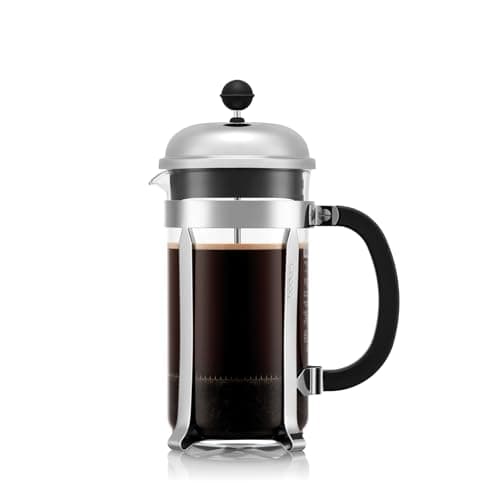
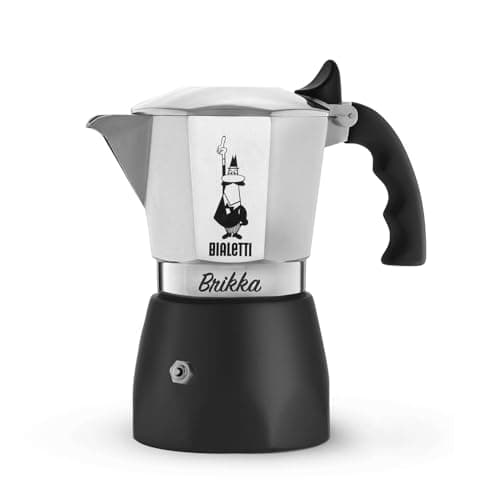
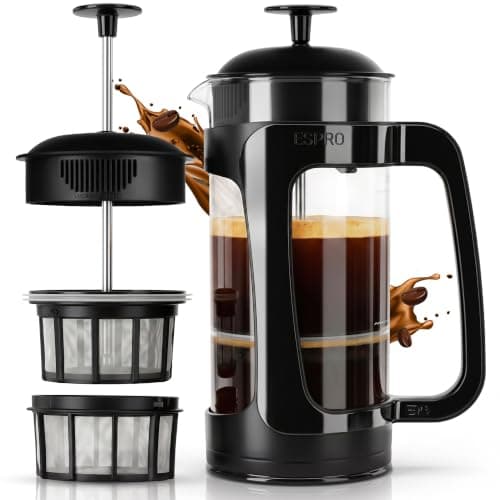
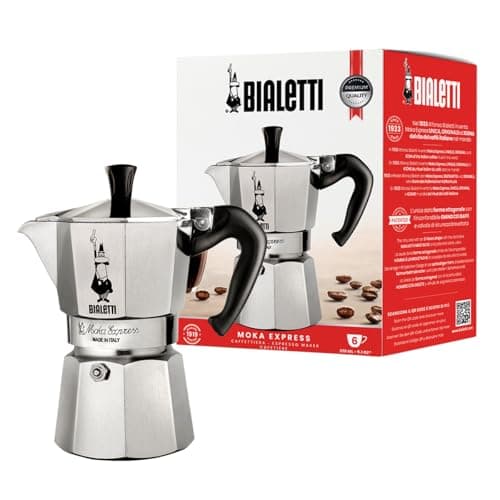
The Bialetti Moka Expressis the stovetop icon and still the one to buy — it is not true espresso, but it is a rich, strong shot for the price of lunch. The Bodum Chambord is the French press everyone pictures and still the default recommendation. If you want crema from a stovetop, the Bialetti Brikka adds a pressure valve and gets closer than any other moka pot. If sediment in the last sip bothers you, the ESPRO P3 is a press with a double micro-filter that fixes exactly that.
How each one actually brews
A moka potis a pressure brewer. Water in the bottom chamber is heated on the stove until steam pressure forces it up through a basket of ground coffee and out into the top chamber. It works at roughly 1 to 2 bar — which is why it is not espresso, since espresso is defined at about 9 bar — but that is far more than gravity, and it is why the coffee comes out concentrated and syrupy rather than merely strong.
A French pressis full immersion. Coarse grounds sit in hot water for about four minutes, then a mesh plunger pushes them to the bottom and you pour. Nothing is pressurized; the extraction comes entirely from time and temperature. The metal mesh lets oils and very fine particles through, which is the mechanism behind the press's characteristic heavy body — and behind the sediment at the bottom of the cup.
How the coffee differs in the cup
Strength and volume.A 6-cup moka pot makes about 10 oz of concentrated coffee in moka terms — small servings, meant to be drunk in little cups or diluted. A 34 oz French press makes three or four full mugs. If you want a big mug of black coffee, the moka pot is the wrong tool and vice versa.
Body and texture. Both are heavy by brewing standards, for different reasons. Moka coffee is dense and syrupy because it is concentrated. Press coffee is thick and coating because the mesh passes oils and fines that a paper filter would trap. A pour-over next to either tastes almost translucent.
Bitterness.Moka is the easier of the two to make bitter, because the water arrives hot and keeps coming — leave it on the heat too long and the last of the brew is scorched. French press gets bitter from over-steeping, which is an easier error to avoid: pour it out at four minutes and it cannot keep extracting.
Clarity.Neither is clean. Press coffee always has some sediment, which is a feature to some drinkers and the whole reason others switch away; the ESPRO's double filter is the engineered answer. Moka coffee is largely sediment-free because the metal filter is finer and the flow is one-directional.
The practical differences that decide it
Grind. Moka wants a fine-to-medium grind, finer than drip but coarser than espresso. French press wants coarse— too fine and it clogs the mesh, pushes back against the plunger and floods your cup with mud. If you only own one grinder setting and it is coarse, the press is your brewer. Our grind size chart has both.
Stove.A moka pot needs a heat source, and a standard aluminium one will not work on an induction cooktop — you need a stainless induction model for that. A French press needs only a kettle, so it works anywhere, including a hotel room.
Attention. Moka asks you to stand there: you take it off the heat as the gurgle changes, and walking away is how you get bitter coffee. A press is a timer and a plunge, so it tolerates distraction.
Cleanup.A press means getting wet grounds out of a tall glass carafe and washing a mesh assembly; most people find it the messier of the two. A moka pot is a rinse and a knock-out of the basket — but aluminium moka pots should not go in the dishwasher, and the gasket is a wear part you will replace eventually.
Durability.An aluminium moka pot lasts decades with a new gasket now and then. A glass French press breaks, which is the single most common reason people buy a second one — a double-wall stainless press is the answer if that is a known risk in your kitchen.
So which one
Moka potfor espresso-ish intensity, milk drinks built on a concentrate, a small kitchen, or camping and off-grid mornings — it needs no electricity at all. French press for a mug of black coffee, for serving two or more people at once, for the least technique, and for travel where you have a kettle but no stove. Plenty of households own both, because they cost very little and they are not substitutes. If the real question is whether a moka pot can replace an espresso machine, read moka pot vs espresso machine — the short answer is no, and the long answer is more interesting.
Making a moka pot well
Four habits separate good moka coffee from the bitter stuff people complain about. Start with hot waterin the bottom chamber — it shortens the time the grounds spend heating up, which is where scorched flavors come from. Fill the basket level and do not tamp it; a moka pot is not an espresso machine and tamping chokes it. Use medium heat, not high. And take it off the stove when the stream turns pale and starts to sputter, then cool the base under a tap if you want to stop extraction dead. A moka pot that is hissing and spitting is finished.
Making a French press well
Coarse grindis non-negotiable — it is the difference between a clean plunge and a muddy fight. Use roughly 60 g of coffee per litre of water, which is about two tablespoons per 6 oz cup; our ratio guidehas the arithmetic. Water just off the boil, around 200°F. Steep four minutes, plunge slowly, and pour the whole thing out immediately— coffee left sitting on the grounds keeps extracting and turns bitter, which is the single most common French press mistake. Our French press guide has the full method, and cleaning it is its own small skill.
Beans: they want different things
A moka pot suits a medium to medium-dark espresso-style blend, because the concentration rewards body and the method does not flatter delicate acidity. Our best coffee for moka pot picks are chosen for exactly that. A French press is the most forgiving brewer there is for coarsegrinds and happily handles everything from a bright single origin to a dark blend — best beans for French press covers the range. In both cases, buy whole beans and grind them yourself; this matters more than which brewer you chose.
The sediment question
If you like French press coffee but hate the gritty last inch, you have three options, in order of cost. Pour better: stop before the bottom and never swirl the carafe. Grind coarser: most sediment is fines that should not have existed, and a burr grinder produces far fewer than a blade grinder. Or buy a filtered press— the ESPRO's double micro-filter is built for this and is the only one of the four picks here that solves it at the hardware level. If you want genuine clarity rather than less grit, a paper-filtered pour-over is the honest answer, and French press vs pour-over makes that comparison.
Safety and maintenance notes worth knowing
A moka pot is a pressure vessel, so keep the safety valve clear and never block it, replace the rubber gasket when it hardens or the pot starts leaking steam at the seam, and do not over-tighten the chambers while hot. Aluminium pots are hand-wash only; detergent and dishwashers strip the seasoned interior. For a press, the mesh and the cross plate come apart for cleaning and should, because coffee oils build up fast and go rancid — that stale taste people blame on their beans is often the press.