Kicking Horse Kick Ass has quietly become the default answer when someone asks for a good organic coffee that does not cost a fortune. It is a certified-organic dark roast, sold as whole beans in a big 2.2-pound bag, and it is stocked almost everywhere — the rare bag that manages to be genuinely organic, genuinely affordable, and genuinely good to drink all at once. This review is about whether it earns that reputation, what it does best, and who is better served by something else.
Because this is our organic pick, we judged it sourcing-first: the certifications have to be real and the price has to be fair, or "organic" is just a markup on the bag. Then flavor, because an organic coffee still has to be a cup you actually want to drink; then versatility across brew methods; then value. Tasting descriptions here stay close to what the roaster publishes rather than notes we invented, and the price renders live on the page, so every value call tracks what a bag costs today rather than a figure typed once and left to go stale.
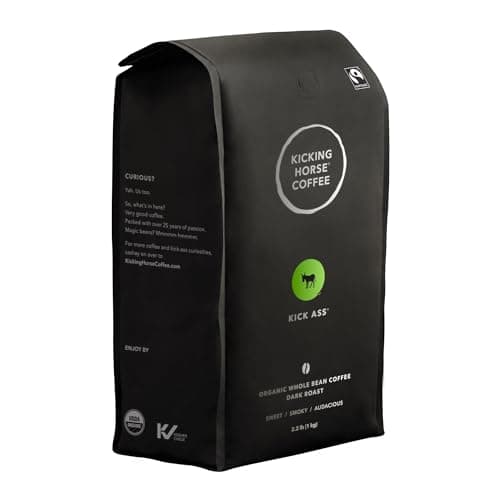
What is in the bag: a bold, chocolatey dark roast that is certified organic, Fairtrade, and Kosher, sold whole bean in a generous 2.2-pound bag. That combination is the whole pitch — a properly certified organic coffee at a price and quantity that goes head to head with ordinary supermarket bags, from one of the most trusted names in organic coffee. The sourcing is not a footnote you pay a premium for; it is the reason to buy, and Kick Ass delivers it without the boutique price a lot of organic coffee carries.
On flavor, it drinks the way a good dark roast should. Kick Ass is bold and chocolatey, with the deep, low-toned, roasty character a dark roast is prized for, and it is versatile enough to work everywhere from drip to espresso. Be clear-eyed about what a dark roast is, though: the roast level subdues the bright, fruity origin character that light-roast fans chase, so you taste the roast more than the bean. That is the style by design, not a defect — but it means Kick Ass is a bold-cup coffee, not a delicate one, and no brewing trick will make it taste like a light roast.
The value case is the quiet strength here. A big 2.2-pound bag of certified-organic, Fairtrade whole beans at this price is genuinely supermarket-plus territory — it costs about what a large bag of ordinary grocery coffee does while giving you real organic credentials and a noticeably better cup. That is exactly what you want from a coffee you intend to drink every single day: consistent, widely stocked, and easy on the budget, with sourcing you can feel good about. It is a big part of why Kick Ass has stayed the default organic recommendation for years.
To get the most from it, treat it like any good whole-bean coffee: buy it whole bean and grind it fresh with a burr grinder right before you brew. Dark roasts are a touch more forgiving than bright specialty beans, but fresh grinding still separates a lively cup from a flat one — our whole bean vs ground guide works through why. Kick Ass also rewards a generous dose: it is bold enough that under-dosing leaves it tasting sharp rather than rich, so give it enough coffee to show its body.
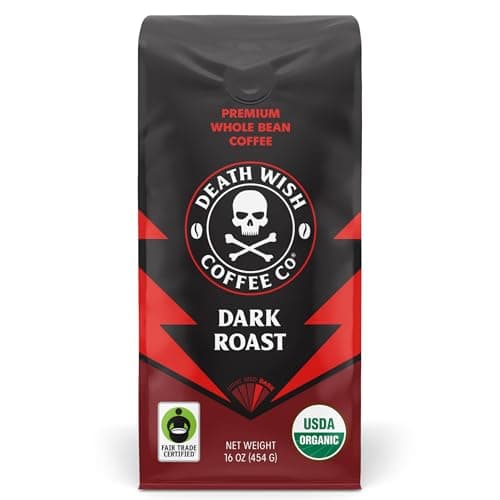
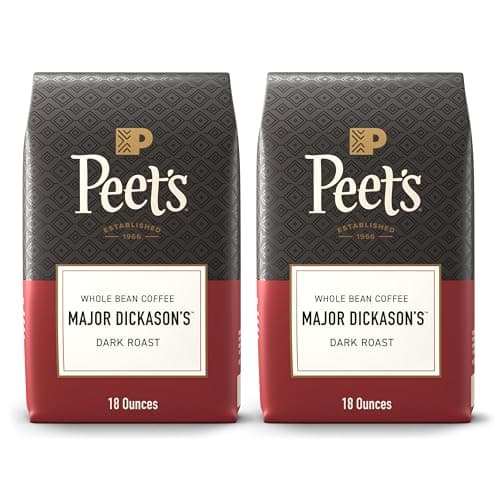
The alternatives on the page bracket it by intent. Death Wish Coffeeis the pick if you want the same organic, Fair Trade values but with a genuine caffeine kick — it blends higher-caffeine beans for a real hit, so buy it when strength is the metric rather than flavor per dollar. Be clear that Kick Ass's caffeine is not specially engineered the way Death Wish's is; it is a robust, well-dosed dark roast, not a high-caffeine one. Peet's Major Dickason's Blend is the pick if you want a benchmark bold dark roast and do not need the organic certification — it is deep, full-bodied, and stands up to milk, though it is not organic the way Kick Ass is.
So who should buy Kick Ass, and who should skip it? Buy it if you want a certified-organic, Fairtrade dark roast that tastes genuinely good, works in any brewer, and costs about what a big grocery bag does — for most people shopping the organic shelf, it is the easy answer. Skip it if you want a light, bright, fruit-forward organic coffee, because dark-and-chocolatey is the opposite of that by design — a lighter single origin or a medium roast is the better shelf. And skip it if you are chasing maximum caffeine rather than flavor and value, where Death Wish is the honest pick. As always, we did not cup this in a lab — we worked from what the roaster publishes and a live price, per our how we research page.
Who should buy Kicking Horse Kick Ass — and who shouldn't
Buy it if you want the best-value certified-organic coffee for everyday drinking. Kick Ass is organic, Fairtrade, and Kosher, it comes in a big 2.2-pound bag at a price that competes with ordinary grocery coffee, and it is a bold, chocolatey dark roast that works everywhere from drip to espresso. If you have wanted to buy organic without paying a boutique premium, this is the bag that makes it painless.
Skip it if you like light, bright, fruit-forward coffee. A dark roast flattens the origin character by design, so the fruity and floral notes some drinkers chase are not here — reach for a single origin or a brighter medium roast instead. Skip it too if you are shopping specifically for maximum caffeine rather than flavor and value; the strength here is a robust, well-dosed dark roast, not an engineered high-caffeine load, and a genuine high-caffeine bag is the better fit.
How to brew it well
Buy it whole bean and grind it fresh with a burr grinder right before brewing. A dark roast is a little more forgiving than a bright specialty bean, but fresh grinding still turns a flat cup into a lively one — see our whole bean vs ground guide for the freshness math. Give Kick Ass a generous dose, too: a bold dark roast tastes sharp when under-dosed and rich when you use enough. Storing the beans well keeps them at their best — our how to store coffee beans guide covers the basics.
What the organic label actually gets you
Kick Ass is certified organic and Fairtrade, which means the sourcing meets real, audited standards rather than a vague marketing claim — and it does it at a fair, everyday price rather than a premium. That is the whole reason it tops our best organic coffee list: plenty of coffees are organic, but few pair genuine certification with grocery-friendly value and a cup this drinkable.