The problem with coffee away from home is not the coffee — it is the kitchen you no longer have. A hotel room, a campsite, a desk, a rental with a sad old drip machine: none of them give you the counter, the outlet, and the gear you rely on at home. A good travel brewer fixes that by needing almost nothing. Every pick here runs on one thing you can find or heat almost anywhere — hot water — and packs down small enough to disappear into a bag. That single constraint, no power required, is what separates a real travel coffee maker from a countertop one you have simply picked up and carried.
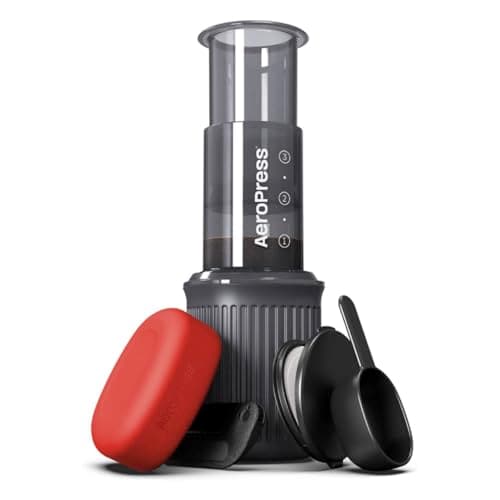
Because they all clear the no-power bar, the real decision is what cup you want and how you pack. Two shapes cover most travel: a filter-style cup, clean and easy and forgiving, or a concentrated espresso-style shot for people who cannot start the day without one. The AeroPress Go is our top pick because it is the most versatile and the most foolproof of the lot. It is the beloved AeroPresspacked into its own travel mug: it brews the same clean, low-bitterness cup as the Original, the whole kit nests inside the mug with a lid, and it is nearly unbreakable. Cleanup is the clincher — you push the plunger to eject a single dry puck of grounds and paper straight into a bin, then rinse the seal, about ten seconds and no mess in a shared kitchen. For most travelers, most of the time, this is the one to pack.
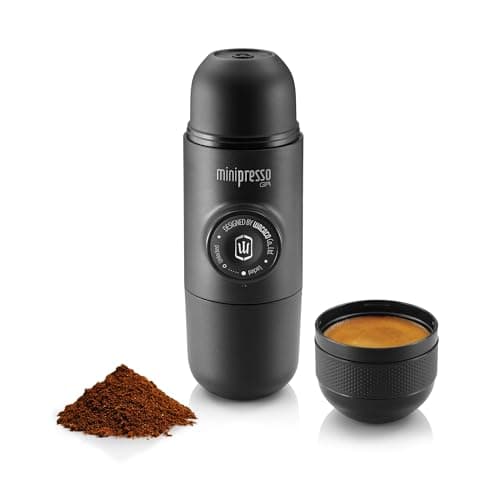
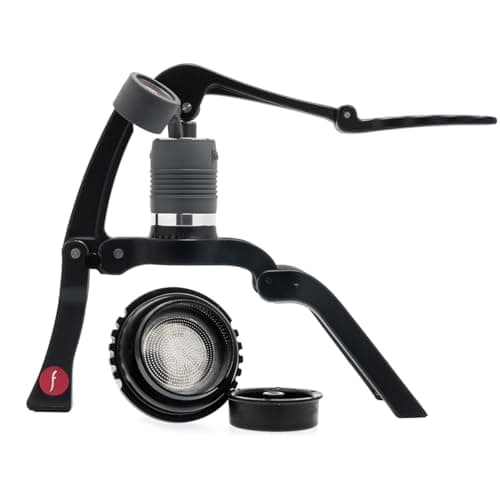
If it is espresso you cannot travel without, three hand-pumped makers cover the spread. The Wacaco Nanopresso is the pocket pick: WACACO rates its redesigned pump at 18 bar, and by hand it pushes a surprising amount of pressure for a genuine crema-topped shot from a device that fits in a bag, with no battery and no power. The Wacaco Minipresso GR is the simpler, cheaper original — a pocket-sized hand pump that makes a real espresso from ground coffee anywhere, with fewer frills and a lower price, ideal as a no-brainer travel companion. The Flair 2GOsits at the top of the espresso end: it is a manual lever press that Flair rates at 9 bar, pulling a genuinely pressurized shot whose quality embarrasses cheap electric machines, and it collapses to pack in a bag. The trade across all three is the same — you supply the pressure and the hot water, they make one small shot at a time, and none has a steam wand, so milk drinks mean frothing separately.
A quick word on grounds versus capsules, because it decides what you carry. All four of these brew from ground coffee — you pack beans or grounds rather than pods (WACACO does sell an optional capsule adapter for the Nanopresso if you would rather carry pods). That is mostly good news for a traveler: ground coffee is cheaper, packs flat in a small bag, and lets you brew whatever beans you like instead of hunting for a specific capsule on the road. The one thing to plan for is grind. Espresso makers like the Nanopresso, Minipresso, and Flair want a fine, espresso-style grind and are unforgiving of the wrong one, so either bring a small hand grinderor have your beans ground fine before you leave. The AeroPress is far more relaxed — a medium-fine grind is plenty and technique matters less.
Packability, durability, and cleanup are where these separate for real-world travel. The AeroPress Go wins packability and toughness — it nests into its own mug and its plastic body shrugs off drops that would end a glass brewer — and its ten-second, single-puck cleanup is the easiest here by a distance, which matters when you are rinsing in a campsite spigot or a tiny hotel sink. The hand-pumped espresso makers are all compact and self-contained; the Nanopresso and Minipresso pack smallest, while the Flair 2GO collapses but is a slightly larger, more deliberate kit. Espresso cleanup means knocking out a small puck and rinsing the parts — quick, but a step more involved than the AeroPress. For a genuinely water-light trip, the AeroPress also uses the least fuss overall; the espresso makers are worth the extra ritual only if a shot is non-negotiable.
It is worth thinking beyond the campsite, because the same qualities make these brewers the answer to bad office and hotel coffee too. On a desk, the AeroPress Go turns a kettle of hot water and a jar of grounds into a genuinely good cup while your colleagues suffer the break-room machine, and it stows in a drawer between uses. In a hotel room, where the in-room coffee is usually a stale pod and a tiny carafe, a hand-pump espresso maker and the room's kettle give you a real shot before you head out. None of these needs anything the room does not already have except the coffee itself — which is the whole reason they travel so well.
Set expectations on volume, though, because it is the honest limit of the category. These are personal brewers: the AeroPress Go makes one or two cups at a time, and the hand-pump espresso makers make a single small shot per pump. If you are brewing for a group around a campfire, you will be brewing in rounds, and none of these is the tool for filling a thermos for four. For one or two people they are ideal; for a crowd, a larger stovetop or immersion brewer that batches a pot is the better companion, even if it gives up some of the pocketable convenience.
One last thing survives every trip: the coffee still has to be good. A travel brewer only brews what you feed it, so bring fresh, well-ground coffee rather than whatever is on the shelf at the destination, and if you can, grind on the road with a compact hand grinder for the best cup. It is the same truth as at home — the grind and the beans matter more than the device — and it is the difference between coffee that merely gets you going and coffee you look forward to, even in a tent.
What should you skip? Do not haul a countertop machine on a trip because it is small — if it needs a plug and a base unit, it is a home appliance you are inconveniencing yourself with, not a travel brewer. Do not buy a hand-pumped espresso maker expecting a hands-off latte before work; these are deliberate, one-shot, no-milk-steaming tools, wonderful for people who enjoy the ritual and wrong for anyone who wants speed and volume. And do not overspend on the Flair 2GO if you only want a decent cup on the occasional trip — the AeroPress Go makes excellent coffee for less, packs smaller, and asks nothing of your technique. Buy the espresso makers because you specifically want espresso off-grid; buy the AeroPress Go because you want reliably good coffee anywhere with the least fuss.
How to choose a travel coffee maker
Travel gear lives or dies on the details you only notice on the road. Work these in order.
1. No power is the whole point
The first, non-negotiable filter is that a travel brewer must not need an outlet. Campsites, hotel rooms, planes, and offices rarely give you a reliable plug and a base unit's worth of counter, so every pick here needs only hot water — which you can boil on a camp stove, a kettle, or a hotel-room heater. If a brewer needs electricity to work, it is a home machine you are carrying, not a travel one. Sort by this first and the field narrows fast.
2. Filter cup or espresso shot
Decide what you actually want in the cup, because it splits the picks cleanly. If you want a clean, easy, forgiving mug — the kind of coffee you drink by the cupful — the AeroPressGo is the versatile, low-effort choice. If you cannot start the day without espresso, the hand-pumped makers deliver a real shot off-grid, at the cost of more effort per cup and only one small serving at a time. Be honest that the espresso makers are single-shot ritual tools, not volume brewers — if you drink several mugs a morning, the AeroPress is the saner travel companion.
3. Ground coffee, and the grind you can manage on the road
All four brew from ground coffee, so you carry beans or grounds rather than pods, which is cheaper and more flexible than hunting for a specific capsule. The catch is grind: the espresso makers want a fine, espresso-style grind and punish the wrong one, so either pack a small hand grinder or pre-grind before you leave. The AeroPress is far more forgiving of a medium-fine grind. Plan the grind before the trip, because a great travel brewer fed the wrong grind still makes a poor cup.
4. Packability and durability
A travel brewer has to survive a bag. Favor tough materials over glass — the AeroPress Go's plastic body takes drops that would shatter a glass brewer — and prize designs that nest or collapse so they take little room and nothing rattles loose or leaks. The AeroPress Go nests into its own mug; the Nanopresso and Minipresso are genuinely pocketable; the Flair 2GO collapses but is a larger kit. Match the size and toughness to how you travel, from a jacket pocket to a checked bag.
5. Cleanup and water
On the road you are often cleaning in a campsite spigot or a tiny sink, so easy cleanup is worth real weight in the decision. The AeroPress ejects a single dry puck and rinses in about ten seconds, the tidiest here; the espresso makers ask you to knock out a small puck and rinse a few parts, quick but a step more. Think too about water: everything needs hot water, so a reliable way to heat it — a camp stove, a travel kettle — is as much a part of the kit as the brewer itself. Our coffee-to-water ratio guide helps you dial a repeatable cup even with unfamiliar water and gear.
6. Match it to how many you're brewing for
Travel brewers are personal by design, so be realistic about numbers before you buy. The AeroPress Go makes one or two cups per brew and the hand-pump espresso makers make a single shot at a time, which is perfect for a solo traveler or a couple taking turns. If you routinely need coffee for a group — a family campsite, a car full of friends — plan to brew in rounds, or pair one of these with a larger batch brewer for the crowd and keep the pocket maker for your own cup. Buying a single-shot espresso maker and expecting to caffeinate four people quickly is the most common travel-coffee mismatch.