The best Keurig alternative is the Ninja DualBrew Pro (CFP301) — it is for the household that wants to stop paying pod prices without losing pod convenience, because it takes K-Cup pods and ground coffee and brews anything from a single travel mug to a full carafe. The budget pick is the AeroPress Original: the cheapest thing on this page, the best-tasting, and the one that abandons pods entirely — two minutes of your attention in exchange for a genuinely better cup and near-zero running cost.
Keurig is worth being fair about. It genuinely solved one problem — one cup, no measuring, no cleanup, ninety seconds — and it solved it well enough to define a category. Our best Keurig coffee makers page exists because if pods are what you want, some Keurigs are much better than others. This page is for the other situation: you own one, and something about it has started to bother you. There are three somethings, and they point to different machines.
Which Keurig problem are you solving?
Cost per cup. This is the big one. Pods cost several times what the same coffee costs as ground beans, so a cheap machine becomes an expensive habit within months. The fix is a machine that accepts grounds: the Ninja DualBrew or the Hamilton Beach FlexBrew Trio keep the pod option and add a basket, and the Cuisinart drops pods altogether. The cheapest fix of all is a reusable K-Cup filter in the Keurig you already own — worth trying before you buy anything.
Taste. A pod holds a fixed, small dose of pre-ground coffee that was ground and sealed months ago, and the machine brews it fast through a narrow bed. There is a ceiling on what that can taste like, and it is well below what the same money spent on fresh beans produces. The honest answer here is not another pod machine — it is the AeroPress, or a plain drip machine fed whole beans you grind. If you want to stay in pods but improve the cup, the Nespresso Vertuo is a real step up in intensity and crema.
Waste. One pod per cup, and the plastic-and-foil construction is awkward to recycle in practice even where it is nominally possible. A reusable filter solves it inside the Keurig ecosystem; a grounds machine solves it completely. This is the problem with the simplest fix and the one people most often discover second.
What each alternative actually fixes
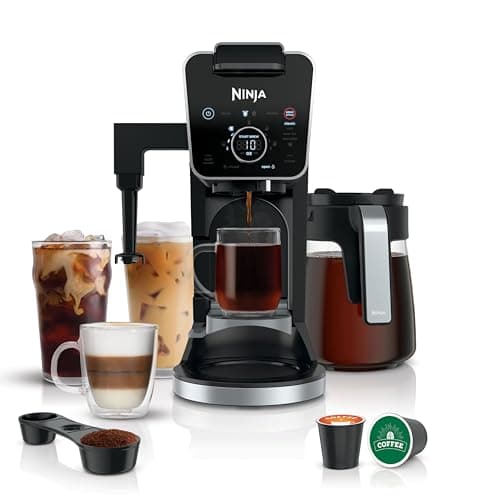
Ninja DualBrew Pro: fixes cost and capacity without giving up pods. Pods for one person, a full carafe from grounds for four, multiple sizes from a travel mug upward, and it is well-priced for how much it does. It is a drip and pod machine — there is no espresso here despite the looks — and it has more parts and a bigger footprint than a single-purpose brewer. This is the most direct upgrade from a Keurig for most households.
Hamilton Beach FlexBrew Trio: the same idea for less money. K-Cup or grounds, single-serve or a full pot, very cheap, simple controls. The build and materials feel their price and there is no espresso capability. If you want to stop buying pods without spending much to do it, this is the cheapest machine on this page that still keeps both options open.
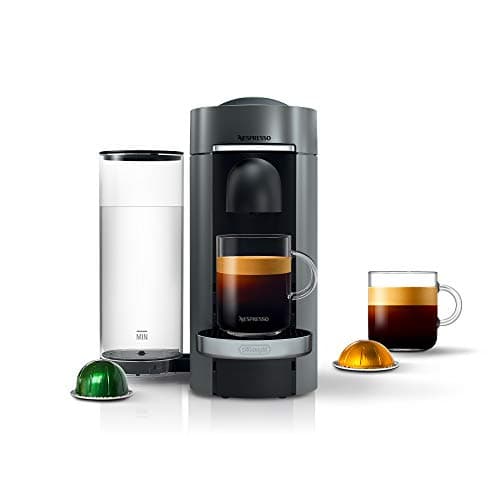
Nespresso Vertuo Plus: fixes taste within the pod format, not cost. It reads a barcode on each capsule to brew the right size and produces a thick crema that Keurig cannot match. Be clear about the trade: Vertuo capsules are proprietary with few third-party options and a higher per-cup cost than K-Cups, so you are solving flavor and making the economics worse. It is also not true espresso — centrifusion crema is not a 9-bar shot. Keurig vs Nespresso runs the comparison in full.
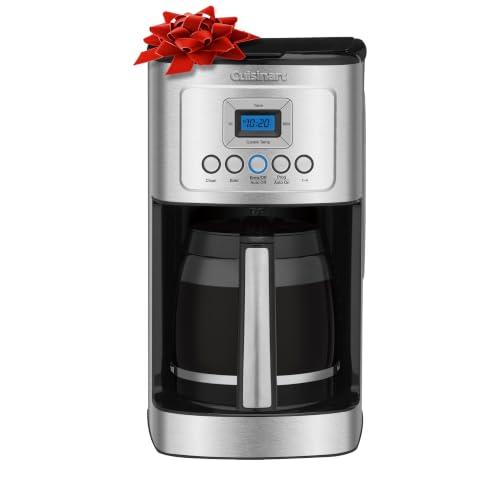
Cuisinart PerfecTemp 14-Cup: the clean break. Fourteen cups on a 24-hour timer, brew-strength control, cheap, everywhere. If the household drinks more than two cups a morning, this is both cheaper to run and less hassle than any pod machine — the coffee is waiting when you get up and the cost per cup is a fraction. The glass carafe sits on a hotplate and stews over time, and it does not brew as hot as the certified machines. Keurig vs drip coffee covers the switch properly.
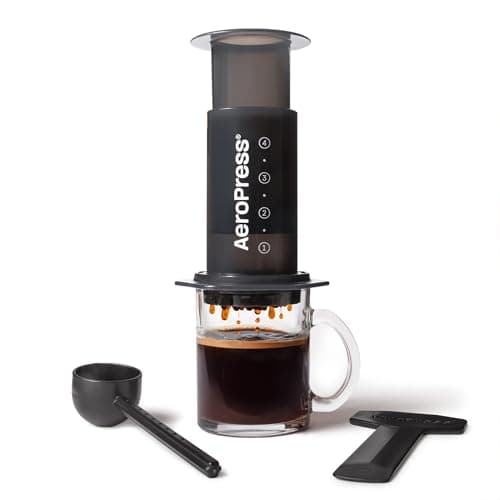
AeroPress Original: the budget pick, and the best coffee on the page. It brews a clean, low-bitterness cup in about two minutes and cleans up in ten seconds by popping the puck into the bin. Running cost is a paper micro-filter. It makes one or two cups at a time, it needs you to be present, and it is not espresso. If the thing you actually liked about the Keurig was speed and simplicity rather than not being involved, this is a surprisingly close match.
The verdict
Keep pods as an option and stop paying for all of them: Ninja DualBrew Pro, or the Hamilton Beach FlexBrew Trio to spend less. Stay in pods and drink better coffee: Nespresso Vertuo Plus, accepting the higher per-cup cost. Leave pods behind for a household: Cuisinart DCC-3200. Leave pods behind for one person and get the best cup: AeroPress. And before any of it — try a reusable K-Cup filter in the machine you own. It costs very little and it is the only option here that might mean you do not need this page at all.
Do the cost arithmetic on your own habit
Count the cups you actually brew in a week, then compare a pod price against the same weight of ground coffee. For a one-cup-a-day drinker the difference over a year is real but modest; for a two-person household at two cups each, pods become the single most expensive thing in the kitchen cupboard. That calculation, not the machine price, is what decides whether switching pays — and it is why the cheapest alternative here (AeroPress) and the cheapest fix of all (a reusable filter) are the two we keep pointing at.
Reusable K-Cups: the fix to try first
A reusable filter basket lets you fill a K-Cup-shaped carrier with your own ground coffee, which addresses cost and waste at once without replacing the machine. The caveats are honest: you are grinding and filling, so the convenience drops, and the small fixed dose a K-Cup holds limits how strong the cup can get. It will not fix the taste ceiling entirely. But it costs a fraction of any machine here, so it is the rational first experiment — best reusable K-Cups covers which ones seal properly.
If you want pods, understand which pod ecosystem you are joining
K-Cups are made by dozens of brands, widely stocked and relatively cheap, which is Keurig's real moat. Nespresso Vertuo capsules are proprietary, with few third-party options and a higher per-cup price; Nespresso OriginalLine, by contrast, has a large third-party market. So "switch to Nespresso" is two very different decisions depending on the line — Vertuo vs Original is the page to read before buying either, and best Nespresso machines ranks the hardware.
What a Keurig alternative will not give you
Espresso. None of the machines on this page pulls a real shot — the Ninja and the Hamilton Beach are drip-and-pod brewers, the Vertuo makes centrifusion crema rather than 9-bar espresso, and the AeroPress builds a few bars by hand. If what you actually want is espresso and milk drinks, the pod category is the wrong aisle entirely: best espresso machines for beginners and Nespresso vs an espresso machine set out what that costs and what it asks of you.
The descaling you were probably skipping
Whichever machine you end up with, scale builds up in it and lowers brew temperature before it causes a visible failure — which is why an aging pod machine gradually produces weaker, sourer coffee. If your Keurig got worse rather than being bad from the start, descaling may be the whole fix: how to descale a Keurig has the routine, and descaling supplies covers what to use. It costs a few dollars and takes twenty minutes, and it is worth doing before you conclude the machine is the problem.