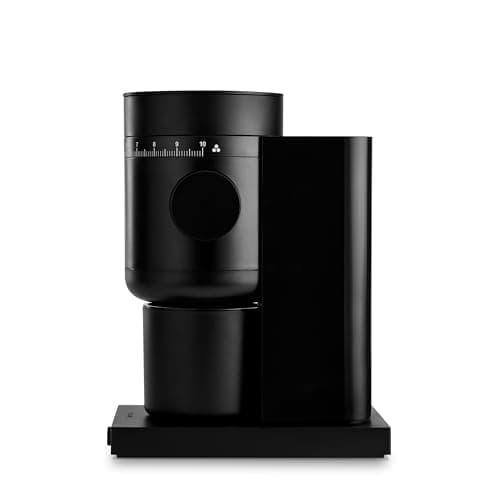
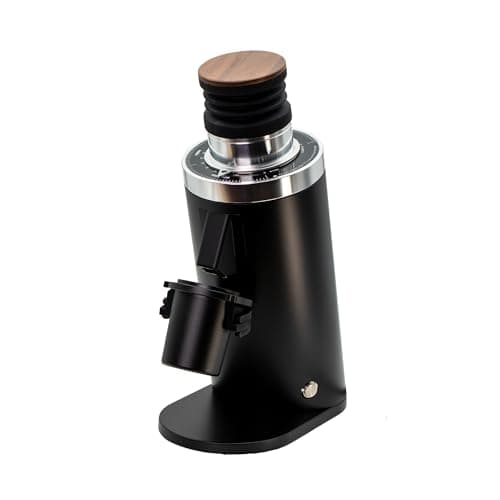
The best Fellow Ode alternative is the MiiCoffee DF64 II — it is for the filter drinker who wants the Ode's 64 mm flat burrs and single-dose workflow but also wants espresso, which the Ode deliberately does not do. The budget pick is the OXO Brew Conical Burr Grinder: the cheapest grinder here that does the Ode's core job of a clean, even filter grind, at a small fraction of the price. If you want a Fellow specifically, the Fellow Opus 2 is the same design language for roughly half the money and adds the espresso range the Ode lacks.
First, what the Ode Gen 2 is actually known for, because an alternatives page is useless without it. Fellow builds it around 64 mm stainless flat burrs, which cut a tighter particle distribution than the conical burrs in entry-level grinders — fewer fines to clog the filter bed, fewer boulders contributing nothing. It is single-dose with near-zero retention, so what you weigh in is what you brew with no stale carry-over. It is quiet, it is one of the best-looking grinders you can put on a counter, and it is filter-only — Fellow states plainly that the Ode is not intended for espresso. Our full Ode Gen 2 review covers it in detail, and nothing below is an argument that it is a bad grinder. It is a very good grinder with a narrow brief and a high price, which is exactly the combination that sends people looking.
The three reasons people look for an alternative
Price. The Ode sits at the top of the home-filter tier, and the gap between it and a grinder that makes good filter coffee is large. Compare the live prices in the Quick Picks table above — the OXO and the Encore are a fraction of it, and the cup difference, while real, is smaller than the price difference.
Espresso. This is the most common one. People buy the Ode, then buy an espresso machine, then discover the Ode cannot grind for it. If there is any chance espresso is in your future, every pick on this page except the plain Encore and the OXO covers both ends — and that is the single most valuable thing an alternative offers here.
Workflow. Single-dosing means weighing beans in for every brew. That is the mechanism behind near-zero retention and it is a genuine advantage if you switch between coffees, but it is also a step every morning. Hopper-and-timer grinders like the Breville Smart Grinder Pro trade that freshness for convenience.
What each alternative matches it on
MiiCoffee DF64 II — matches on burrs and workflow: 64 mm flat burrs, single-dose, low retention, and stepless adjustment, which is finer-grained than the Ode's stepped dial. Where it goes further is espresso: stepless adjustment at the fine end is exactly what dialing in a shot requires, so this is one grinder covering both worlds. It is also a popular enthusiast platform with easy burr upgrades. The cost is fuss — single-dosing plus grind-retention chaff means more hands-on work than a hopper grinder, and it is overkill if you only ever brew filter.
Fellow Opus 2 — matches on design, retention and single-dosing, at roughly half the Ode's price, and adds a published espresso-to-cold-brew range with a stepless side dial. What it gives up is the thing the Ode exists for: 48 mm conical burrs are a step below 64 mm flats for pure filter evenness. If filter is 100% of your brewing and you want the best cup, that is the Ode's win. If your coffee life spans more than one method, the Opus is the better buy — see our Fellow Opus 2 review.
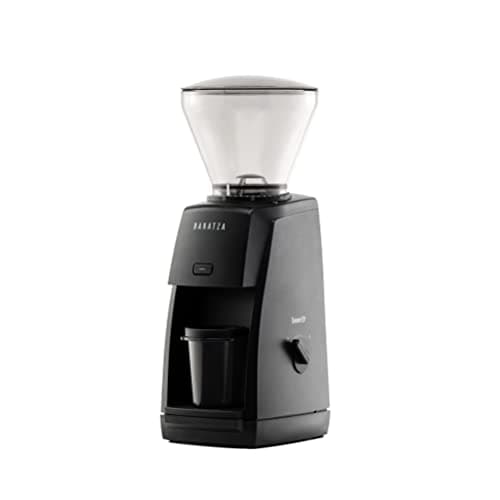
Baratza Encore ESP — matches on nothing cosmetic and everything practical. It covers espresso and filter on 40 mm conical burrs, and Baratza's whole business model is repairability: every part sold individually, which makes it a decade-long purchase rather than an appliance. It is not single-dose, so a little retention leaves a few stale grams between beans. For most people switching away from the Ode for price reasons, this is the sensible landing spot.
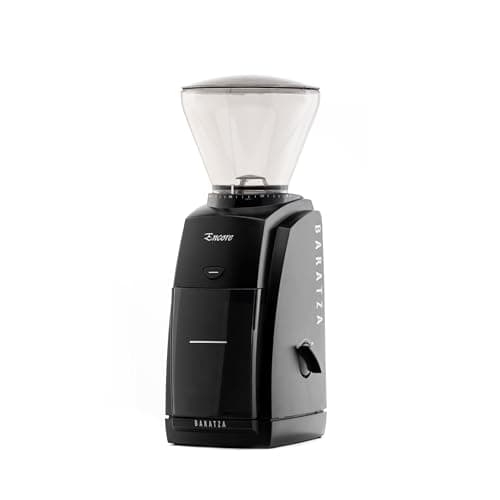
Baratza Encore — the plain version, and the closest thing to a like-for-like replacement of the Ode's actual job: filter, French press and pour-over, consistently, for a fraction of the money. It cannot grind fine enough for espresso. If you are certain filter is all you will ever brew, this is the honest value answer, and it has been the default recommendation in that role for over a decade.
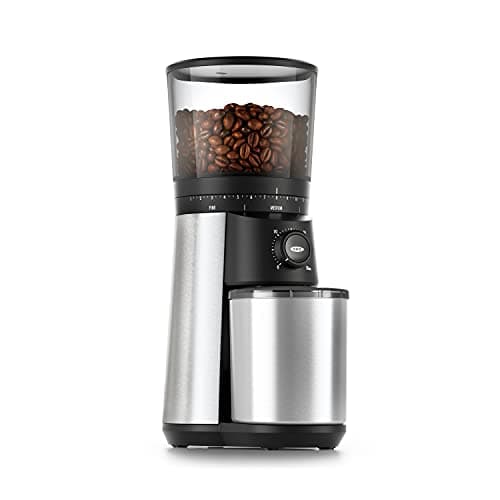
OXO Brew Conical Burr Grinder — the budget pick. A real burr grinder for less than the Baratza, with a timer and a 12 oz hopper, which makes it the most convenient grinder on this page for a daily drip habit. It will not match the Ode or the DF64 on evenness, it cannot do espresso, and it is an appliance rather than a repairable platform. It is also the pick that frees up the most money for better beans, which changes the cup more than grinder upgrades at this tier do.
The verdict
Want the Ode's burrs plus espresso: DF64 II. Want a Fellow for less: Opus 2. Want the most sensible all-round grinder at a lower price: Encore ESP. Want the Ode's job done cheaply: plain Encore. Want the cheapest version that is still a real burr grinder: OXO. And if what you actually want is the Ode — the best filter grind on this page, in the nicest-looking body — then buy the Ode; our review says why, and no alternative here beats it at filter alone. The wider field is in best burr grinders, and Ode vs Baratza Encore runs the closest head-to-head in detail.
Flat burrs vs conical burrs, honestly
Flat burrs grind between two parallel rings and tend to produce a narrower spread of particle sizes; conical burrs grind between a cone and a housing and tend to produce a slightly wider spread. For a flat filter bed — a V60, a Chemex, a drip basket — narrower is better, because fines clog the bottom of the bed and slow the brew unevenly. That is the whole basis of the Ode's and the DF64's advantage, and it is real but incremental: it is a better version of a cup a good conical grinder already makes well. Size matters too — 64 mm burrs at the same geometry beat 48 mm. See burr vs blade for the underlying mechanism.
Single-dose vs hopper: pick the one you will live with
Single-dosing means weighing beans into the grinder for each brew. The upside is freshness and no cross-contamination — a bag of light-roast espresso and a bag of dark French press coffee can share one grinder. The downside is a scale on the counter and fifteen seconds a morning. Hopper grinders hold a week of beans and often grind on a timer, which is genuinely more convenient and means the beans at the bottom of the hopper have been exposed to air for days. Neither is correct; they suit different households. Single-dose grinders covers the trade in full.
Repairability is a spec, and Baratza is the reason it is
Grinders are mechanical devices with wearing parts, and the difference between a ten-year grinder and a three-year grinder is usually whether you can buy the part that failed. Baratza sells components individually and documents the repairs, which is why both Encores are on this page despite being plainer than everything around them. Fellow offers a standard warranty it lets you extend; the DF64 has a large community and easy burr swaps, which is a different kind of serviceability. The OXO is an appliance — when it fails you replace it. Weigh that against the purchase price rather than ignoring it.
If you are switching because of espresso, read this first
Espresso lives in a very narrow band of grind sizes, and the ability to move in small increments inside that band matters more than the ability to go fine at all. Stepped grinders can jump over the setting you want; stepless ones let you sit between markings. That is why the DF64 (stepless) and the Opus 2 (stepless) are the stronger espresso answers here, while the Encore ESP (stepped, but with a fine range designed for espresso) is the practical one. Espresso grind size explains how narrow the window is, and best espresso grinder under $200 is the tier most people switching from the Ode actually shop.
What a grinder upgrade cannot fix
If your filter coffee is disappointing and you are considering a $400 grinder, check three cheaper things first: dose (weigh it — a basic scale costs very little), water temperature, and bean freshness. A good grinder feeding three-week-old beans loses to a cheaper grinder feeding beans bought last week, which is why storage and ratio come before the grinder upgrade in every honest ordering. The grinder matters; it is just not first.