Skip to content
Bean & Burr

HUB 03 · Grinders

Fellow Opus 2 Review

Fellow's all-brews grinder: 48 mm conical burrs, a stepless dial and a published espresso-to-cold-brew range. Reviewed on what Fellow publishes - and on what it gives up to the Ode.

By Stephen V.Updated How we research
#ad

We earn a commission when you buy through our Amazon links, at no extra cost to you. It never affects our rankings, and we say so when the cheaper product is the better buy. How this works.

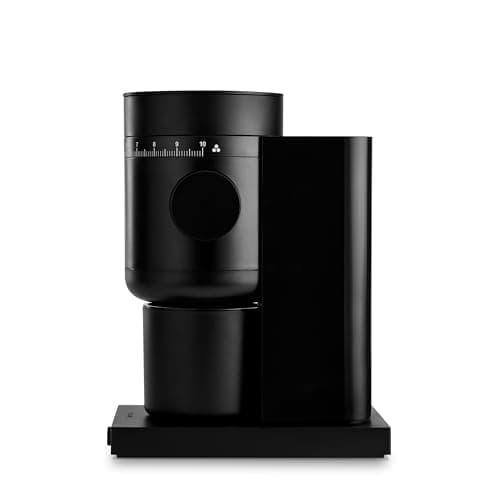
The Opus exists because of a question Fellow kept being asked about the Ode: can it do espresso? The answer was no, emphatically — Fellow states outright that the Ode "is not intended for espresso" — and the Opus is the company's answer to the people who wanted the Fellow design language on a grinder that covers everything. The current version on sale is the Opus 2, and Fellow's published specification is the whole argument: 48 mm conical burrs, a stepless side dial, and what Fellow calls a "full spectrum grind range, perfect for espresso," with the listed uses running from espresso and pour-over through electric coffee makers, French press and AeroPress to cold brew.

That range is the point, and it is worth being clear about who it serves. If you brew only filter coffee, Fellow sells you a better grinder for that one job. If you pull espresso and also brew a mug of pour-over on Sundays — or if you own a drip machine today and suspect an espresso machine is in your future — the Opus 2 is the grinder that does not need replacing when the plan changes.

What the specification actually says

Fellow publishes 48 mm conical burrs, "designed to grind efficiently and evenly, helping reduce excess heat." The adjustment is a "smooth, stepless side dial with clear markings," and Fellow's own FAQ describes the grinder's 48 adjustable settingscovering the full range — the marked positions you aim at on a dial that moves continuously between them. Grinding is single dose: a 100 g load bin, a 100 g standard catch cup, and a separate 30 g espresso catch cup, which is the detail that tells you Fellow means the espresso claim seriously. The motor is rated 300 W and Fellow puts an espresso dose at about nine seconds. Retention is described as "near-zero," helped by an internal impeller, an "integrated ionizer minimizes static buildup," and automatic shutoff ends the dose for you. It stands 267 mm tall, weighs 2.3 kg, and carries a two-year standard warranty Fellow lets you extend.

Two of those specs are worth more than they look. Near-zero retentionmatters on a grinder that crosses brew methods: if 2 g of yesterday's French press grind is still sitting in the chute, it lands in today's espresso basket, which is both stale and the wrong grind size. And stepless adjustmentis the feature that makes espresso realistic at all. Espresso lives in a tiny band of grind sizes, and stepped grinders in this price class often jump straight over the setting you want — espresso grind size explains how narrow the useful window is and why resolution beats range.

Where 48 mm conical burrs sit

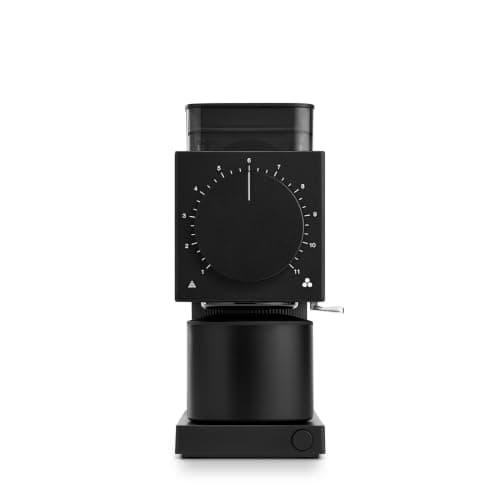
Honestly: a step below the Ode Gen 2 for filter, and competitive at the espresso end where the Ode does not play. Fellow's Ode uses 64 mm flat burrs, which cut a tighter particle distribution for a flat filter bed — fewer fines to clog the bottom, fewer boulders contributing nothing. That is the Ode's whole reason to exist and the Opus does not beat it at it. What the Opus gives you instead is a grinder whose range includes the fine end, in a smaller body, for less money. If you want the mechanism behind that trade, burr vs blade covers why particle distribution decides the cup at all, and Ode vs Encore covers the filter-grinder comparison the Ode usually wins.

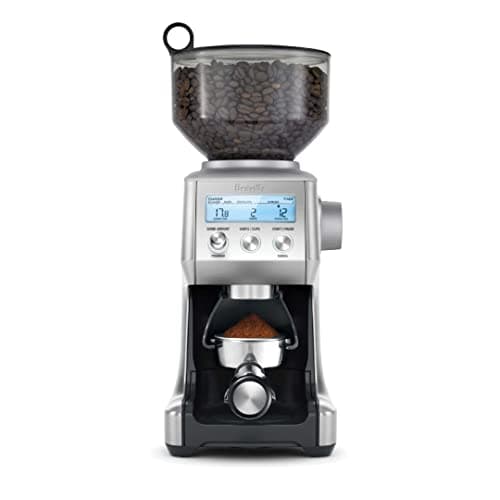
The other honest limitation is workflow rather than grind. Single-dosing means you weigh beans into the bin for every brew, and the 30 g espresso cup is sized for exactly that: one or two shots. There is no hopper to fill once a week and no timer to dose by, which is the convenience a Breville Smart Grinder Pro buys you with its 60 settings and programmable grind time. On a single-dose grinder you gain freshness and lose fifteen seconds a morning — single-dose grinders covers who that trade suits.

Is it a serious espresso grinder?

It is a serious home espresso grinder at its price, which is not the same claim. Conical burrs at 48 mm with stepless adjustment and low retention will let you dial a shot in and return to it, which is the functional definition of an espresso grinder. What it is not is a flat-burr single-dose machine in the DF64 or Eureka Mignonclass, where larger burrs and heavier construction buy a measurably tighter distribution and faster grinding — see best espresso grinders under $500 for that tier. If you are pulling shots on a Bambino Plus or a Gaggia Classic Pro, the Opus 2 is not the limiting factor in your cup. If you are on a dual boiler chasing a light Scandinavian roast, it will be. And if you have not bought the machine yet, note that grinder-equipped all-in-ones now undercut buying the two separately — our Ninja Luxe Cafe Premier review covers what you give up by taking that route.

What to buy instead, and when

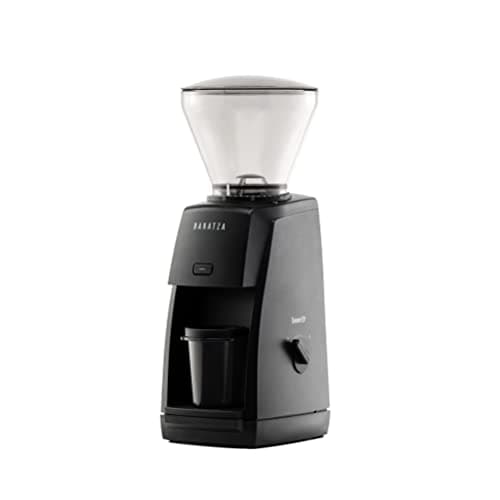
If you want the cheapest grinder that genuinely does espresso: the Baratza Encore ESP. It is stepped rather than stepless and plainer to look at, but Baratza's spare-parts culture means you repair it instead of replacing it, and it costs less. Our best espresso grinder under $200 page sets the two against the field. If you only brew filter and always will: the Ode Gen 2 for the better cup, or the Baratza Encorefor the better value — the Opus's espresso range is the thing you would be paying for and not using. If you want hopper-and-timer convenience: the Breville Smart Grinder Pro grinds straight into a portafilter on a programmable timer, which is a workflow no single-dose grinder offers.

The verdict

The Opus 2 is the right Fellow for most people, which is a slightly awkward thing to say about the cheaper of the company's two grinders. It covers espresso through cold brew with resolution fine enough to dial a shot, retains almost nothing between doses, and looks like the Ode on a counter. You give up the Ode's flat-burr filter advantage and any hopper convenience, and you are buying a design-led appliance rather than a repairable platform in the Baratza sense. Buy it if your coffee life spans more than one brew method, or if it is about to. Buy the Ode if filter is the whole story, and the Encore ESP if you want the espresso range for less and do not care how it looks. The wider field is in best burr grinders.

The short answer

Quick picks

#ProductBest forScorePrice
01
Fellow Fellow Opus 2
Fellow Opus 2

The all-brews Fellow: 48 mm conical burrs that reach espresso, which the filter-only Ode never did.

One grinder covering espresso and filter
8.0
$199.95Amazon
02
Baratza Baratza Encore ESP
Baratza Encore ESP

The grinder to buy first. It does espresso AND filter, and Baratza will sell you every part.

The best all-round first grinder
8.4
$199.95Amazon
03
Fellow Fellow Ode Gen 2
Fellow Ode Gen 2

The gorgeous single-dose filter grinder. Flat burrs, near-zero retention, filter-only.

Filter-coffee obsessives with counter pride
7.4
$399.95Amazon
04
Breville Breville Smart Grinder Pro (BCG820)
Breville Smart Grinder Pro (BCG820)

The grind-into-the-portafilter convenience grinder, and the natural partner to a Bambino.

Breville espresso owners
8.0
$199.95Amazon

#ad · Live prices from the Amazon Product API, as of November 1, 2026. Where we have no verified live price, we show none — we would rather leave a gap than print a number that has rotted.

In detail

The picks, in full

01
Fellow Fellow Opus 2

One grinder covering espresso and filter

Fellow Opus 2

48 mm conical burrsStepless dialEspresso to cold brewNear-zero retention
8.0/10

The all-brews Fellow: 48 mm conical burrs that reach espresso, which the filter-only Ode never did.

Grind consistency
8
Grind range
9
Ease of use
8
Build quality
8
Value
7

Pros

  • Fellow publishes a full espresso-to-cold-brew range, so unlike the Ode this is a grinder you keep if you buy an espresso machine later
  • A stepless side dial plus near-zero retention means you can chase a shot in tiny increments and the dose you weigh in is the dose you brew
  • An integrated ionizer for static and automatic shutoff - two of the daily annoyances of cheap grinders, removed

Cons

  • Conical burrs at 48 mm are a step below the 64 mm flat burrs in Fellow's own Ode for pure filter evenness
  • Single-dosing and a 30 g espresso catch cup mean a weighing step every brew; there is no hopper-and-timer convenience

Don't buy this if…

…you only ever brew filter and already own an Ode. The Opus 2's reason to exist is the espresso end of the dial - buying it for drip alone is paying for range you will not use.

$199.95View on Amazon

Price as of November 1, 2026. Prices change — Amazon's is the one that counts.

#ad · we may earn a commission from this link to Fellow Opus 2

02
Baratza Baratza Encore ESP

The best all-round first grinder

Baratza Encore ESP

Conical burrEspresso + filter range40mm burrsFully rebuildable
8.4/10

The grinder to buy first. It does espresso AND filter, and Baratza will sell you every part.

Grind consistency
8
Grind range
9
Ease of use
8
Build quality
8
Value
9

Pros

  • Unlike the plain Encore, the ESP has the fine range to actually grind for espresso — one grinder covers both worlds
  • Baratza's whole model is repairability: every part is sold individually, so this grinder is a decade-long purchase
  • Consistent enough to make the machine, not the grinder, your limiting factor at this price

Cons

  • Not a single-dose grinder — a little retention means a few stale grams between beans
  • For espresso-only use, dedicated espresso grinders offer finer adjustment (at a higher price)

Don't buy this if…

…you will only ever make filter coffee. Then you don't need the espresso range — the cheaper plain Encore does the filter job just as well.

$199.95View on Amazon

Price as of November 1, 2026. Prices change — Amazon's is the one that counts.

#ad · we may earn a commission from this link to Baratza Encore ESP

03
Fellow Fellow Ode Gen 2

Filter-coffee obsessives with counter pride

Fellow Ode Gen 2

64mm flat burrsSingle-doseVery low retentionFilter-focused
7.4/10

The gorgeous single-dose filter grinder. Flat burrs, near-zero retention, filter-only.

Grind consistency
9
Grind range
5
Ease of use
8
Build quality
9
Value
6

Pros

  • The 64mm flat burrs and single-dose design deliver a cleaner, more even filter grind than the conical entry grinders
  • Near-zero retention means what you weigh in is what you brew — no stale carry-over
  • One of the best-looking grinders you can put on a counter, and quiet with it

Cons

  • It is a FILTER grinder — the Gen 2 extends toward the fine end but it's not built to be an espresso grinder
  • Expensive, and single-dosing is a little slower than a hopper-fed grinder

Don't buy this if…

…you make espresso. The Ode is tuned for filter — for espresso you want the Baratza Encore ESP, the Eureka, or the DF64. Buying the Ode for espresso is the classic expensive mistake.

$399.95View on Amazon

Price as of November 1, 2026. Prices change — Amazon's is the one that counts.

#ad · we may earn a commission from this link to Fellow Ode Gen 2

04
Breville Breville Smart Grinder Pro (BCG820)

Breville espresso owners

Breville Smart Grinder Pro (BCG820)

Conical burr60 grind settingsDose timerGrinds into portafilter
8.0/10

The grind-into-the-portafilter convenience grinder, and the natural partner to a Bambino.

Grind consistency
8
Grind range
8
Ease of use
9
Build quality
7
Value
8

Pros

  • Grinds directly into the portafilter or a container with a timed dose — the most convenient workflow for a home espresso setup
  • 60 settings span espresso to French press, so it's genuinely versatile
  • Matches the Breville machines visually and functionally if you're building that ecosystem

Cons

  • Stepped adjustment is slightly coarser than the stepless espresso grinders — fine for home, limiting for the obsessive
  • Not built to be rebuilt the way a Baratza is

Don't buy this if…

…you want the most repairable grinder for the money. That's the Baratza Encore ESP — the Breville wins on dosing convenience, the Baratza on lifespan.

$199.95View on Amazon

Price as of November 1, 2026. Prices change — Amazon's is the one that counts.

#ad · we may earn a commission from this link to Breville Smart Grinder Pro (BCG820)

Opus 2 vs the original Opus

The grinder on sale now is the Opus 2, and the original Opus is superseded — worth knowing because a lot of the reviews you will find online were written about the first version. If you are shopping secondhand, the generation matters: check what is actually listed rather than assuming the specification in a two-year-old review applies. Fellow also sells the Opus 2 in standard colorways at one price and a premium Sesame and Maple finish for more; the grinder inside is the same, so unless you specifically want the finish, the standard color is the better buy. Check the live price on this page before deciding.

Dialing it in, by brew method

Work from the coarse end down. Cold brew and French press sit at the top of the dial, drip and pour-over in the middle, AeroPress just below that depending on your recipe, and espresso at the fine end where the marked settings get close together. Our coffee grind size chartgives reference textures for each. Because the dial is stepless, write your settings down — the markings tell you where you are, but a number in a note on your phone is what gets you back to last week's shot after a weekend of French press.

For espresso specifically: weigh the dose, pull the shot, and change one variable. Thin and sour means it ran too fast — go finer. Bitter and drying means too slow or too hot — go coarser. How to dial in espresso is the full routine, and coffee-to-water ratio converts brew recipes into grams for the filter side.

Single-dosing: what it actually asks of you

You weigh beans into the load bin for every brew, which needs a scale on the counter — budget coffee scales covers the cheap ones that are accurate enough. In exchange, nothing sits in a hopper going stale and nothing carries over between doses, so a bag of light-roast espresso and a bag of dark French press coffee can share one grinder without contaminating each other. For a household that brews two different coffees, that is a genuine advantage rather than a chore. For someone who makes the same 10-cup pot every morning, the hopper machines are simply more convenient.

Static, mess and the things that annoy people

Fellow's integrated ionizer exists because this is the single most common complaint about single-dose grinders: fine grounds carry a static charge and stick to everything, including the inside of the catch cup and your counter. An ionizer reduces it rather than abolishing it — the old trick of spritzing the beans with a few drops of water before grinding (the "Ross Droplet Technique") still helps at the espresso end if you find grounds clinging. Keep the burrs clean, too: coffee oils change what a given dial position produces, which is the usual explanation for a grinder that was dialed in last month and tastes wrong today. See how to clean a coffee grinder for the routine.

What to spend the money on instead, if the budget is tight

If the Opus 2 is a stretch, the honest ranking of upgrades is: a real burr grinder first (any of the ones on this page beats pre-ground by a wider margin than they beat each other), then fresher beans bought more often, then the machine. A grinder at this level feeding week-old beans will beat a better grinder feeding a bag that has been open for a month — how to store coffee beans and a proper containerprotect the part you already paid for. And if you brew filter only, say so to yourself before buying: the Opus's espresso range is most of its price premium over a plain sub-$100 grinder, and range you never use is money that could have been beans.
How we picked

We do not run a testing lab

We compiled published manufacturer specifications, computed what each option costs to run where relevant, and cross-referenced aggregated owner reviews, then scored each product against a published rubric. The scores are judgments from documented research — they are not measurements we took, because we do not have a lab and we are not going to pretend we do. Where a number came from a manufacturer or a standard, we name it in Sources.

Questions

Frequently asked

Can the Fellow Opus 2 grind for espresso?
Yes — unlike the Ode, which Fellow states is not intended for espresso. Fellow describes the Opus 2 as having a "full spectrum grind range, perfect for espresso," lists espresso among its brew methods, and ships a dedicated 30 g espresso catch cup. The stepless dial is what makes it workable: espresso needs resolution between settings, not just a fine setting.
What is the difference between the Fellow Opus and the Fellow Ode?
The Ode is a filter-only grinder with 64 mm flat burrs; the Opus is an all-methods grinder with 48 mm conical burrs that reaches espresso. The Ode grinds a more even filter bed, so it makes the better pour-over or drip cup. The Opus covers more brewing and costs less. Choose the Ode if filter is all you brew; choose the Opus if espresso is in the picture now or later.
How many grind settings does the Opus 2 have?
Fellow describes a smooth, stepless side dial with clear markings, and its FAQ refers to 48 adjustable settings covering the full grind range. In practice that means 48 marked reference points on a dial that moves continuously, so you can sit between two markings — which is exactly what you want at the espresso end.
Is the Fellow Opus 2 worth it over a Baratza Encore ESP?
It depends on what you value. The Opus 2 gives you stepless adjustment, near-zero retention, an ionizer and Fellow's design. The Encore ESP is cheaper, stepped, and backed by Baratza's parts-and-repair culture, which is the better long-term bet if you would rather rebuild a grinder than replace it. Both will dial in espresso on a home machine; compare the live prices, because the gap moves.
Does the Opus 2 have a hopper, or is it single dose?
Single dose. Fellow lists a 100 g load bin, a 100 g standard catch cup and a 30 g espresso catch cup, so you weigh in what you are about to brew. That is what delivers the near-zero retention and the freshest possible grind; the cost is a weighing step every time and no programmable timed dosing.
How loud and how fast is it?
Fellow rates the motor at 300 W and puts an espresso dose at about nine seconds, which is quick for a home grinder at this size. Fellow does not publish a noise figure, and we have not measured one, so we will not invent a number — but a 300 W conical grinder running for nine seconds is a short burst rather than the sustained whine of a slow grinder working through a full pot's worth of beans.

Keep reading

Receipts

Sources

We do not run a testing lab, and we do not pretend to. Where a measured number came from a manufacturer spec sheet or a published standard, we name it and link it. Where we could not verify something, we say so on the page rather than quietly leaving it out. Read our full method.